
 Commercial Remodeling
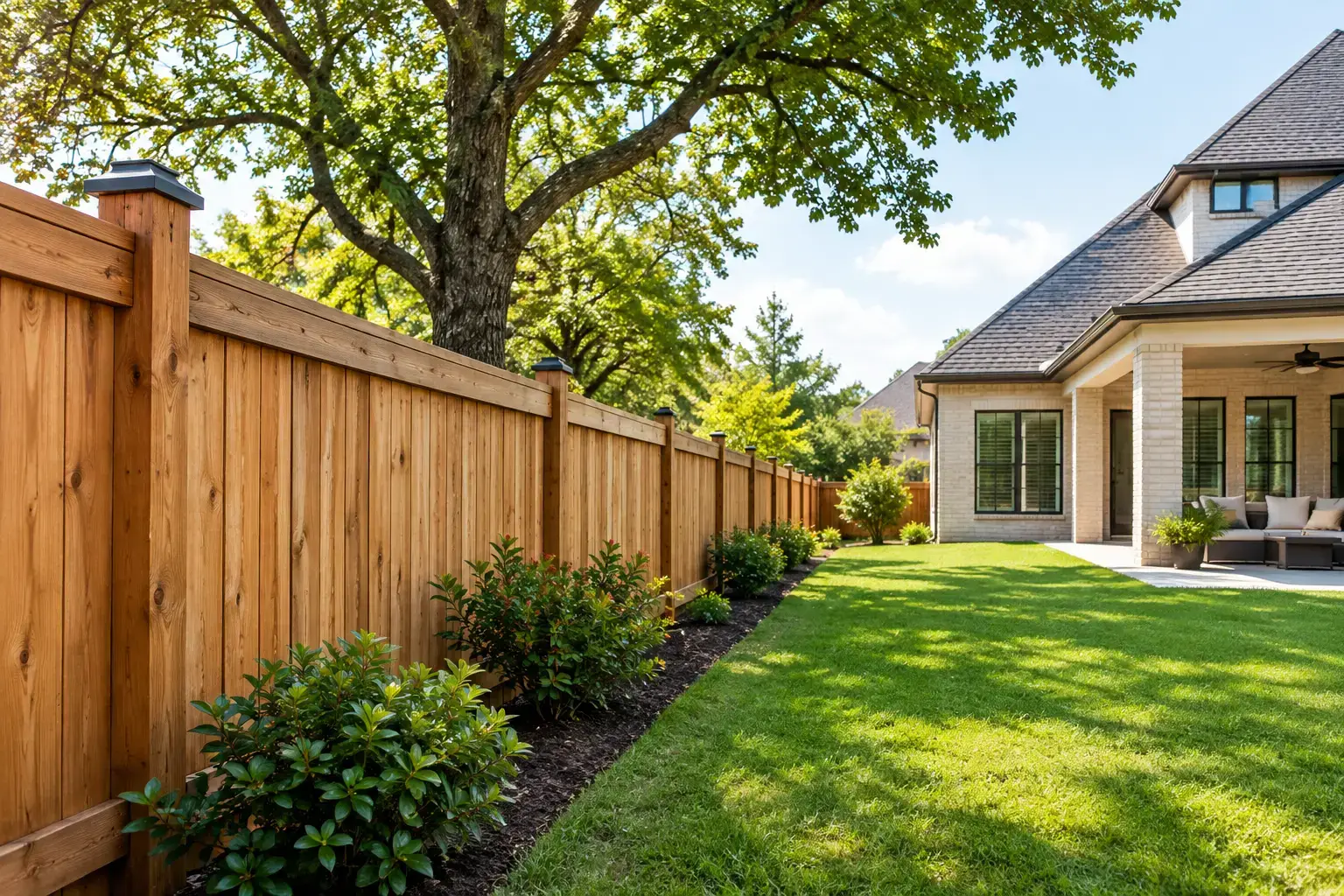
A Houston fence can look great on installation day and still be working hard against moisture, direct sun, shifting soil, and storm debris a few seasons later. That is why planning a wood fence Houston property owners can depend on starts with more than choosing a height and stain color. At GottaCallMAC, we help homeowners, landlords, property managers, and businesses choose practical fencing that fits the property, budget, and the way the space needs to function.
A well-built wood fence brings privacy, security, curb appeal, and a clear boundary for pets, children, tenants, or outdoor living areas. The right material and design also make a major difference in how the fence holds up over time. Here is what to consider before starting a new installation, replacement, or repair.
What Makes a Wood Fence in Houston Different?
Greater Houston weather is demanding on outdoor materials. High humidity keeps wood from drying as quickly after rain. Summer sun can dry and fade exposed boards. Heavy rain may soften soil around posts, while wind and falling branches can damage panels, rails, and gates.
None of that means wood is the wrong choice. Wood remains one of the most popular fencing materials because it is attractive, versatile, repairable, and available at a range of price points. It does mean the fence needs the right lumber, solid installation, and a design that accounts for local conditions.
Drainage matters around the fence line. So does clearing back vines, brush, and low branches that hold moisture against the boards or rub against the fence in the wind. If a property has trees close to the boundary, trimming or removing problem limbs before a fence project can prevent avoidable damage later.
Choosing the Right Wood Fence Houston Property Owners Need
The best fence material depends on whether privacy, budget, appearance, durability, or ease of future repair is the top priority. Two common choices are treated pine and cedar.
Treated Pine for Practical Value
Treated pine is a dependable option for many residential and rental properties. It is commonly used for posts, rails, pickets, and full privacy fences. Properly treated lumber is designed for exterior exposure, and it offers a cost-conscious path to a clean, functional fence.
For a large backyard, long side boundary, or rental turnover project, treated pine can make good sense. The trade-off is that boards can naturally shrink, move, or show checking as they dry. A quality installation leaves room for normal wood movement and uses materials suited to the job.
Cedar for Natural Appearance
Cedar is popular for its warm color, distinct grain, and natural resistance to decay and insects. Many homeowners choose it when the fence is a visible part of the landscape or outdoor entertaining space. Cedar can be an excellent fit for privacy fences, decorative gates, and upgraded fence styles.
It generally comes at a higher material cost than treated pine, so the decision often comes down to how long you plan to own the property and how much the fence contributes to its appearance. A cedar fence still benefits from maintenance. Natural resistance is helpful, but it does not make any wood fence maintenance-free in Houston weather.
Fence Styles That Work for Privacy and Curb Appeal
A standard side-by-side privacy fence is a familiar choice for backyards and rental properties. It provides a solid visual barrier and can be built with treated pine or cedar. For some properties, however, an upgraded layout is worth considering.
Board-on-board fencing uses overlapping pickets to reduce gaps as wood changes with the seasons. That makes it a strong option for privacy, especially along busy streets or between close neighboring homes. It also gives the fence a more finished appearance from both sides.
Top caps and trim can add a clean, substantial look while helping protect the upper edges of pickets. Rot boards installed along the bottom can be replaced later if ground-level moisture causes deterioration, potentially extending the useful life of the rest of the fence. These details are not necessary for every project, but they can be smart upgrades where appearance and long-term maintenance matter.
For front yards, pool-adjacent areas, commercial properties, or locations where visibility matters, aluminum or ornamental metal fencing may be a better fit than wood. It does not provide the same privacy, but it offers an open look and can be paired with a wood privacy fence in other areas of the property.
Gates Deserve More Attention Than They Usually Get
A gate is the moving part of the fence, which means it is often the first area to show trouble. Sagging, dragging, loose hardware, and misaligned latches usually point to a gate that needs repair or a stronger design.
The size and use of the opening should guide the build. A walk gate for daily access needs reliable hinges and a latch that closes consistently. A wider gate for lawn equipment, trailers, service access, or commercial use needs proper support so its weight does not pull the structure out of alignment.
GottaCallMAC handles gate installation and repairs as part of complete fencing work. During an estimate, it helps to explain how often the gate will be used and what needs to pass through it. That conversation can prevent the frustration of a gate that looks good but does not work well for the property.
When Repair Makes Sense and When Replacement Is Smarter
A few damaged pickets, a loose rail, or worn gate hardware does not automatically mean the whole fence needs to come down. Targeted repair can be a sensible choice when the posts are stable and most of the fence remains in good shape.
Replacement becomes more practical when multiple posts are leaning, rails are failing across long sections, boards are badly weathered, or repeated repairs are adding up. It may also be the right time to replace if the existing fence no longer provides enough privacy, has a poorly sized gate, or does not match improvements made to the home or landscape.
Storm damage should be assessed with the full fence line in mind. A fallen limb may break only one section, but the impact can loosen nearby posts and rails. Removing debris carefully and checking the surrounding structure helps identify whether a focused repair is enough. If trees are part of the problem, coordinated trimming, removal, or cleanup can protect the new work.
Simple Maintenance That Helps Wood Last
Wood fencing does not require constant attention, but small checks can catch problems before they spread. Walk the fence line after major storms and look for leaning posts, cracked rails, loose pickets, latch issues, and areas where soil or mulch is built up against the wood.
Keep sprinklers from repeatedly soaking the same section of fence when possible. Clear leaves and brush away from the bottom edge, and address vines before they become heavy and trap moisture. Depending on the material, finish, and exposure, cleaning and applying an appropriate protective stain or sealer can help preserve appearance and limit weathering.
Avoid assuming every gray board means failure. Sun exposure can change wood color long before the structure is compromised. On the other hand, soft wood at the base, widespread loose pickets, or posts that move in the ground are signs it is time for a professional evaluation.
Start With a Clear Fence Plan
Before requesting an estimate, consider the purpose of the fence, desired height, preferred material, gate locations, and any trees or landscaping along the line. If you manage rentals or commercial sites, think about future access for maintenance crews, tenants, or equipment as well.
A straightforward on-site conversation makes it easier to compare options without guessing. GottaCallMAC can help you weigh a basic treated pine privacy fence against cedar, board-on-board construction, rot boards, top caps, gate upgrades, or a mix of wood and ornamental metal. The goal is not to oversell a fence. It is to build one that makes sense for the property and the way you use it.
If you are considering a new fence, replacing a worn-out boundary, or fixing storm and tree damage, contact GottaCallMAC for a free estimate at 936-290-3502 or visit www.gottacallmac.com. A clear plan and dependable workmanship can turn a fence project from another property headache into an improvement you can rely on every day.
