
 Roofing Services
Aluminum Fencing: Is It Worth It?
A fence has to do more than mark a property line. It has to hold up through heat, rain, shifting soil, sprinklers, pets, kids, and the day-to-day wear that comes with real life in Texas. That is why aluminum fencing gets so much attention from homeowners and property managers who want a cleaner look without signing up for constant maintenance.
For many properties, aluminum is the sweet spot between appearance, durability, and long-term value. It gives you the open, upscale look people like about wrought iron, but without the rust problems and heavier upkeep. That said, it is not the right answer for every yard, every budget, or every security goal. If you are weighing options, it helps to know where aluminum performs well and where another fence style may serve you better.
Why aluminum fencing is so popular
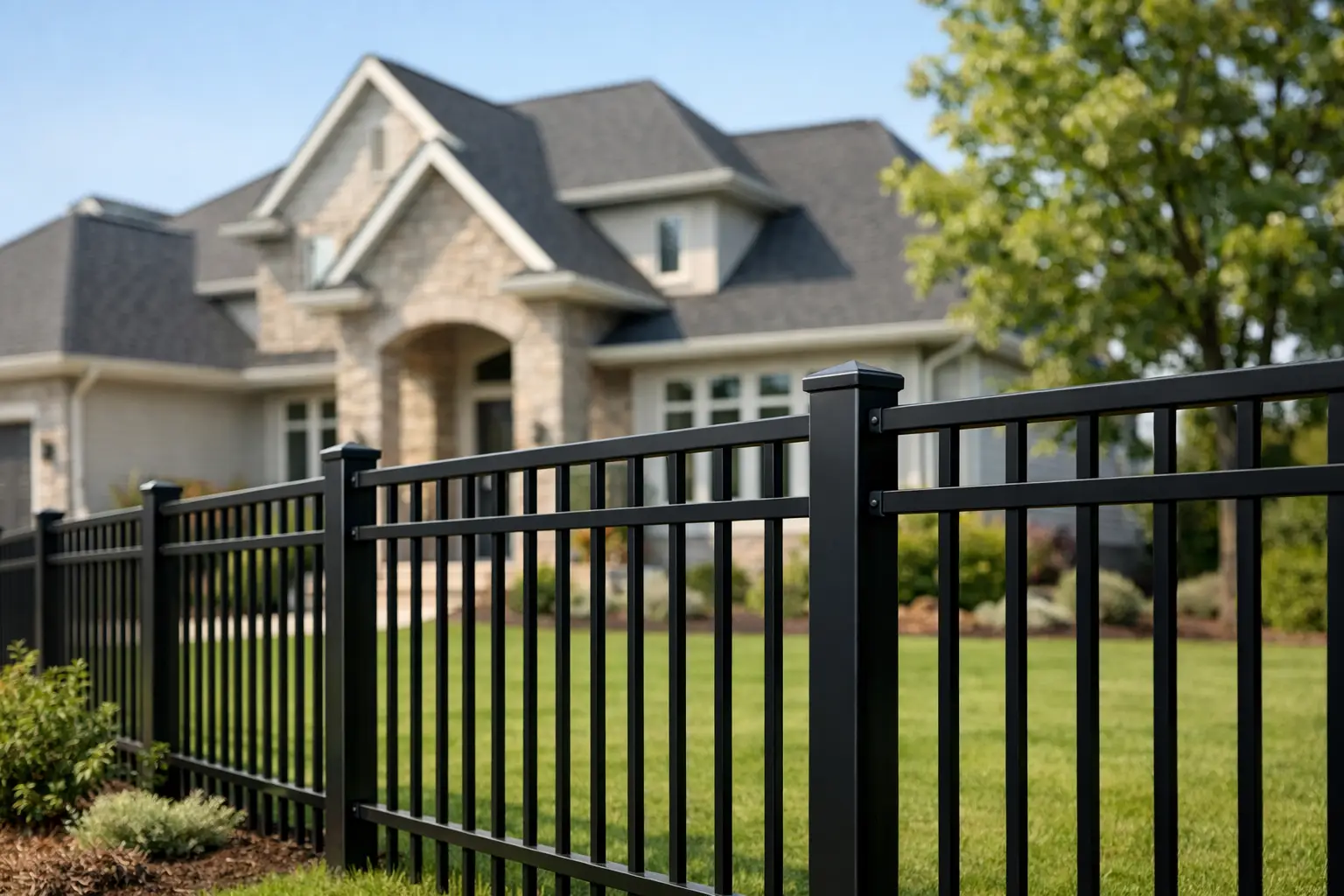
Aluminum fencing appeals to people who want a fence that looks sharp from day one and still looks good years later. The finish is typically powder-coated, which helps it resist fading, chipping, and corrosion better than many traditional metal options. In a climate like ours, where moisture and heat both take a toll on exterior materials, that matters.
Another reason people choose it is appearance. Aluminum fencing has a clean, finished look that works on a wide range of properties. It fits traditional homes, newer builds, pool areas, commercial sites, HOA communities, and entryways where curb appeal matters. It also keeps sight lines open, which is a big advantage if you have landscaping worth showing off or you do not want your front yard to feel boxed in.
There is also the maintenance factor. With wood, you are thinking about staining, sealing, warping, and replacing damaged boards over time. With steel or untreated iron, rust becomes a bigger concern. Aluminum fencing is usually a wash-it-off-and-move-on kind of product. For busy homeowners and managers, that simplicity is a major selling point.
Where aluminum fencing works best
Aluminum is a strong fit for decorative perimeter fencing, front yard enclosures, pool fencing, garden boundaries, and many commercial properties. It is especially useful when you want security and definition without a solid privacy wall.
Pool areas are one of the most common uses. Aluminum meets the visual goal people want around a pool – clean, open, and not too bulky – while still creating a clear safety barrier. Because it does not rust like some other metals, it also makes sense around splashing water and wet surfaces.
It is also a good option for sloped yards. Many aluminum fence systems can be rackable, which means the panels can adjust to the grade of the land better than some rigid fence styles. That can create a neater finished look and reduce awkward gaps underneath.
For commercial properties, aluminum often works well around offices, retail sites, multifamily buildings, and managed communities where appearance matters as much as basic perimeter control. It presents well, requires less upkeep, and gives the property a more professional finish.
The biggest benefits of aluminum fencing
The first benefit is low maintenance, and that is usually what keeps aluminum on the shortlist. Once it is installed properly, you are not dealing with much beyond occasional cleaning and routine inspections. There is no regular staining schedule and no constant battle against rot.
The second benefit is corrosion resistance. In humid conditions, that is a real advantage. Even a good-looking fence can turn into a headache fast if the material is not suited for the environment. Aluminum holds up well when exposed to rain, irrigation, and general outdoor wear.
The third is appearance. Aluminum fencing has an upscale look that can improve curb appeal without overpowering the property. If resale value or first impressions matter, that counts for something.
There is also versatility. You can choose different heights, picket spacing, rail styles, decorative finials, and gate options depending on the property. Some owners want a simple black fence with clean lines. Others want something more ornamental. Aluminum gives you room to tailor the look.
The trade-offs you should know before you buy
Aluminum is not perfect, and a good contractor should say that plainly. If privacy is your top priority, aluminum probably is not the best fit. Because it is an open-style fence, it does not block neighbors, traffic, or street views the way cedar or other solid-panel fencing can.
It is also not the strongest choice for every heavy-duty security application. Aluminum is durable, but it is lighter than steel and not intended to perform like a high-security barrier. If you are protecting a site that needs more impact resistance or a stronger defensive perimeter, another material may be a better match.
Cost is another factor. Aluminum fencing often costs more upfront than basic chain link or some wood fence installations. That initial number can give some property owners pause. Still, the long-term math may favor aluminum if you want less maintenance, fewer repairs, and a longer-lasting finish.
And if you have large dogs that like to charge a fence line or squeeze through wide spacing, panel style matters. Some ornamental aluminum designs are better for containment than others. This is one area where layout and product selection matter just as much as material.
Aluminum fencing vs. other common fence types
If you are comparing aluminum to wood, the biggest difference is upkeep. Wood offers more privacy and a warmer, natural look, but it needs more ongoing care and is more vulnerable to moisture, insects, and warping. Aluminum gives up privacy but wins on lower maintenance and consistency over time.
Compared with wrought iron, aluminum usually offers a similar visual style with less maintenance and lower weight. That makes it attractive for owners who want the iron look without the rust issues and heavier installation demands.
Compared with chain link, aluminum is the more attractive option by a wide margin. Chain link can still be practical for utility areas, large enclosures, or budget-focused jobs, but aluminum delivers a more polished appearance for homes and customer-facing properties.
What affects aluminum fencing cost
Price depends on more than the material alone. Fence height, total linear footage, number of gates, terrain, layout complexity, and site access all affect the final cost. A straight run on level ground is one thing. A property with grade changes, custom gates, or tricky corners is another.
Style choices can also push pricing up or down. Decorative details, heavier-grade panels, and upgraded finishes all add to the project. On the other hand, a simple layout with standard panels can keep the budget more manageable.
Installation quality matters too. A low price does not help if the posts are not set right, the panels are uneven, or the gates start sagging early. With aluminum fencing, the clean finished look is part of the value, so workmanship shows.
Choosing the right aluminum fence for your property
Start with the main job the fence needs to do. If the goal is pool safety, code compliance and gate hardware should drive the decision. If the goal is curb appeal at the front of the property, style and spacing may matter most. If you are trying to contain pets, you need to think carefully about picket spacing, height, and any gaps at the bottom.
You should also think about how the fence connects to the rest of the property. The best-looking fence is one that feels like it belongs there. Gate placement, driveway access, landscaping, and the style of the home or building all matter more than people expect.
This is where working with an experienced local contractor helps. Soil conditions, drainage, and property layouts vary from site to site, and small decisions during planning can make a big difference in how the fence performs over time. A team like GottaCallMAC can help you look at the whole project, not just the panels on paper.
Is aluminum fencing a good fit in Texas?
In many cases, yes. Aluminum fencing makes a lot of sense in Texas because it handles heat and moisture well, and it does not ask for much maintenance in return. For homeowners who are tired of repainting, restaining, or replacing damaged sections, that is a strong advantage.
It is especially attractive for properties in places like Spring, Conroe, The Woodlands, and greater Houston where appearance, durability, and convenience all matter. Whether you are improving a home, managing a commercial site, or getting a property ready for sale or lease, aluminum can offer a strong balance of looks and function.
Still, the right fence depends on your priorities. If you need full privacy, want the lowest possible upfront cost, or require a higher-security perimeter, another material may serve you better. The smart move is not choosing the most popular fence. It is choosing the one that fits the property, the budget, and the way you actually use the space.
A good fence should make life easier, not add another maintenance project to your weekend. If aluminum gives you the look you want and the performance you need, it is one of the more practical upgrades you can make.
