
 Commercial Remodeling
A new fence has to do more than look good on installation day. For fence installation in Houston, it needs to handle hard rain, humid summers, shifting soil, strong wind, active kids and pets, and the everyday wear that comes with a busy property. At GottaCallMAC, we help homeowners, landlords, property managers, and businesses choose fencing that fits how their property is actually used – not just what looks good in a photo.
The right fence can create privacy, define a lot line, protect a pool area, secure a rental property, or give a commercial site better access control. The wrong material, poor post setting, or an undersized gate can turn a useful project into an early repair. A clear plan up front helps you get dependable results and a fence that makes sense for your budget.
Start With How the Fence Will Be Used
Before choosing a style, think about the main job your fence needs to perform. A backyard privacy fence has different needs than a side gate for equipment access, a pet enclosure, or a perimeter fence around a commercial property. Privacy, security, appearance, access, and maintenance all affect the right recommendation.
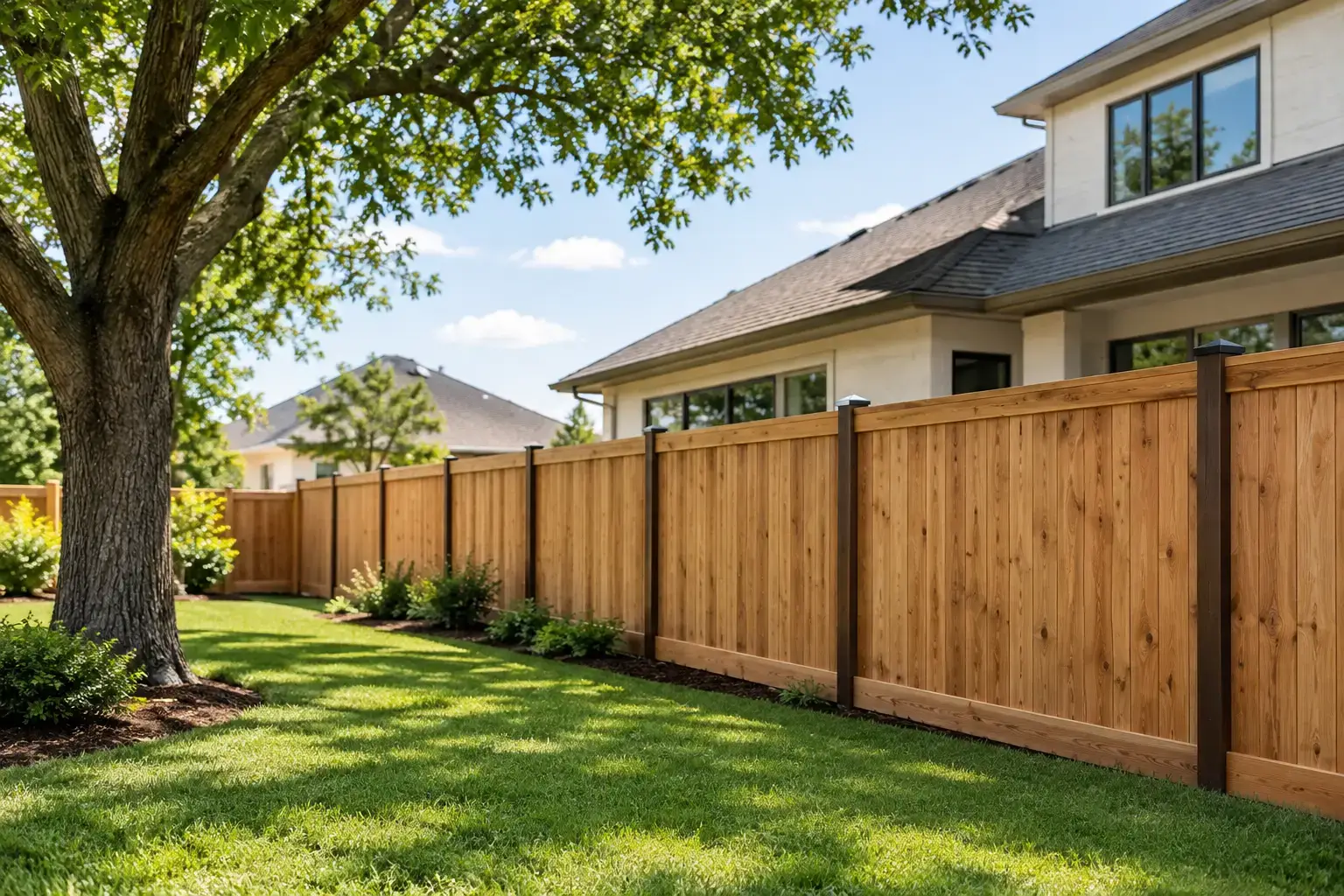
For many homes in The Woodlands, Spring, Conroe, Tomball, Cypress, Humble, and Kingwood, a six-foot wood privacy fence is a practical choice. It provides separation from neighboring properties while still giving the yard a warm, natural look. On a rental or investment property, treated pine may be a sensible option when the goal is a clean, durable fence at a fair price. For a pool-facing area, decorative aluminum or ornamental metal can maintain sightlines while adding a more polished finish.
It also helps to consider what sits next to the fence. Large trees, drainage paths, retaining features, utility areas, tight side yards, and sloped ground can change the installation approach. A fence should follow the property thoughtfully rather than forcing a one-size-fits-all layout.
Cedar, Treated Pine, and Metal: What Fits Best?
Wood remains a popular choice for fence installation Houston property owners request because it is versatile, attractive, and easy to configure around most yards. Cedar and treated pine are both solid options, but they serve different priorities.
Cedar has a natural appearance that many homeowners prefer for visible backyard and front-side fencing. It can be used for privacy fences, board-on-board designs, top caps, and trim details that give the finished project a more substantial look. Cedar is often chosen when appearance and long-term curb appeal matter most.
Treated pine is widely used because it is dependable and budget-conscious. It works well for privacy fencing, repairs, replacement sections, and properties where practical performance is the priority. Like any wood fence, it benefits from proper installation, room for drainage, and regular attention over time.
Aluminum and ornamental metal fencing are strong choices where visibility matters. They are commonly used around pools, entry areas, commercial properties, and yards where a solid privacy fence would block a view. Metal fencing typically requires less routine upkeep than wood, but it will not provide the same privacy. That trade-off is worth considering before making a final decision.
The Details That Make a Fence Hold Up
A fence is only as dependable as the work below and behind the panels. Posts need to be set properly, aligned carefully, and spaced to support the design. Rails, pickets, fasteners, gates, and hardware all need to match the job. Those details are especially important in Greater Houston, where heavy moisture and soft ground can expose weak installation work quickly.
Gates deserve extra attention because they are the part of the fence that moves every day. A gate that is too wide for its framing, supported by weak posts, or hung without quality hardware can start sagging long before the rest of the fence shows wear. Whether you need a simple walk gate, a double driveway gate, or a larger access point for a business, the opening should be planned around real use.
For wood privacy fences, features such as rot boards and top caps can add useful protection and a finished appearance. A rot board lifts the pickets slightly above the ground, helping reduce direct contact with damp soil and standing water. A top cap can give a fence a cleaner profile while helping protect exposed board edges. These additions are not necessary on every project, but they are worth discussing when durability and appearance are both important.
When Repair Makes More Sense Than Replacement
Not every damaged fence needs to be torn out. A repair may be the better value if the overall fence is still stable and the issue is limited to a few leaning posts, broken pickets, a damaged gate, or a section affected by fallen limbs. Replacing only what has failed can restore function without committing to a full new installation.
Replacement often makes more sense when multiple posts are loose, boards are deteriorating across long runs, gates no longer line up, or repeated repairs are starting to add up. If you are preparing a home for sale, turning over a rental, or improving a commercial property, a full replacement can also create a more consistent appearance and reduce near-term maintenance concerns.
After a storm, take a careful look at both the fence and the trees around it. Limbs resting against a fence, uprooted shrubs, and debris trapped along the bottom can cause more damage if left in place. GottaCallMAC can help with fence repair or replacement as well as tree cleanup, trimming, debris removal, and related property improvements when the work overlaps.
Plan for Property Lines, Access, and Neighbors
Clear communication before work begins prevents many avoidable problems. Confirm the intended fence line, identify gates and access points, and make sure the crew can bring materials into the work area. If a fence runs near a driveway, AC equipment, landscaping, or a narrow side yard, discussing those conditions during the estimate helps shape a better plan.
Property owners should also consider future needs. A narrow walk gate may be enough today, but a wider opening can be helpful if you expect to move lawn equipment, trailers, or larger items into the backyard. Businesses and property managers may need gates that accommodate maintenance crews, deliveries, or regular service access. Planning for that now is usually simpler than changing the layout later.
If an existing fence is being removed, the condition of old posts and buried concrete can affect the scope of work. A straightforward replacement is different from a project that involves clearing overgrowth, removing storm debris, or repairing nearby siding, decking, or exterior features. One local contractor who can look at the full property need can make that process easier to manage.
What to Expect From a Good Fence Estimate
A useful estimate should start with a conversation about the property, material options, fence height, layout, gates, and the condition of any existing fence. The goal is not to push the most expensive option. It is to recommend a practical solution that fits the job.
Ask how posts will be handled, what materials are proposed, whether old fencing will be removed, and how gate needs will be addressed. If you are comparing cedar, treated pine, board-on-board construction, aluminum, or ornamental metal, make sure you are comparing similar scopes of work. A lower number may reflect fewer details, lighter materials, or work that does not include removal and cleanup.
Responsive communication matters just as much as the materials. You should know what is being proposed, what the work involves, and who to contact if a question comes up. That is the straightforward approach GottaCallMAC brings to fencing, gates, repairs, and property improvement projects across the Greater Houston area.
A well-built fence should make your property easier to use, not give you another problem to manage. Whether you need a new privacy fence, a replacement gate, storm-related repairs, or a durable metal fence for a commercial property, start with a clear look at your needs and your site conditions. Contact GottaCallMAC for a free estimate at 936-290-3502 or visit www.gottacallmac.com. Reliable, professional, and affordable help is close by.
