
 Commercial Remodeling
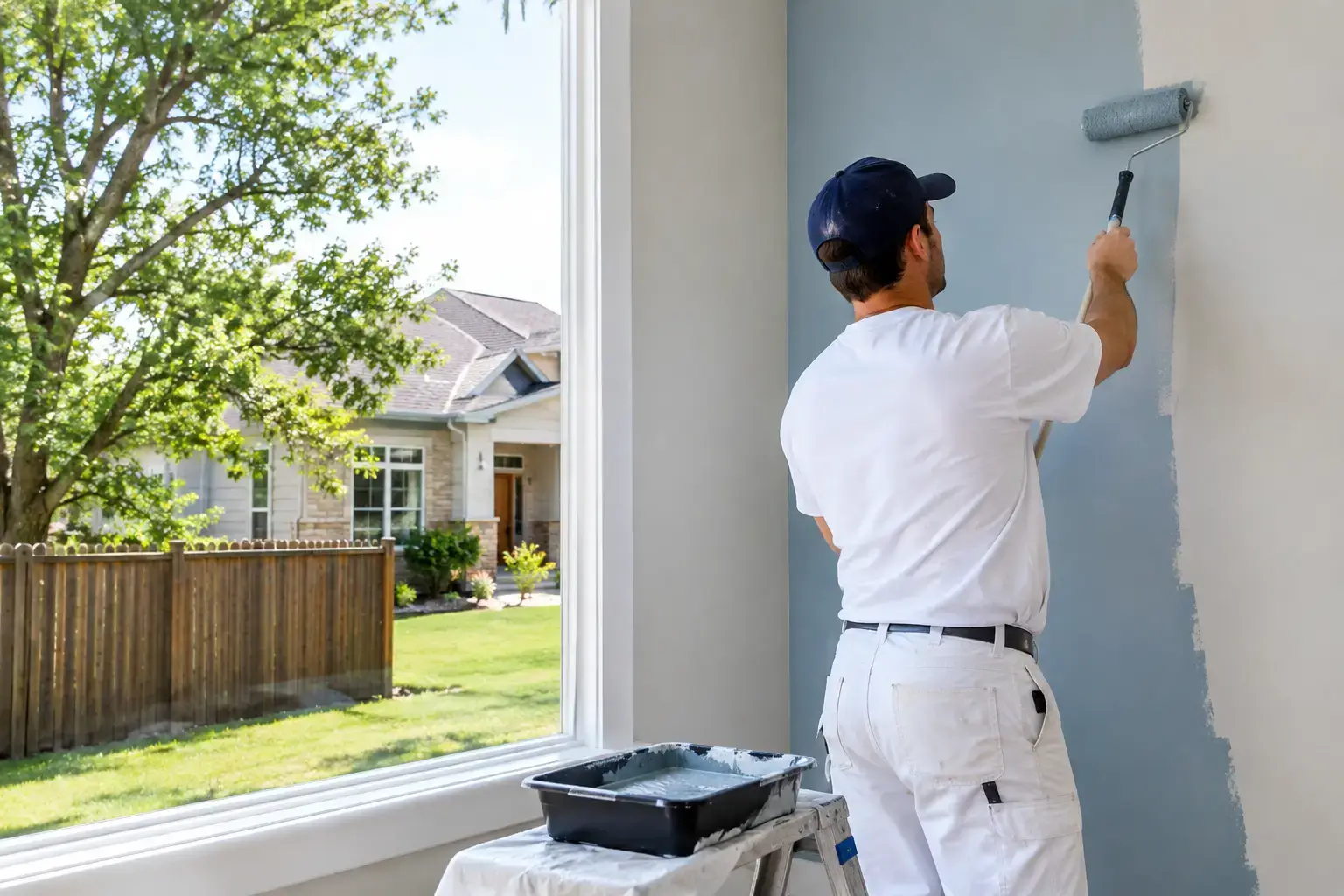
A fresh coat of paint can make a rental ready for new tenants, help a home show better, or finally make an outdated room feel finished. But homeowners looking for interior house painters Willis TX can depend on need more than someone who can roll color on a wall. They need careful preparation, respect for the property, clear communication, and a finish that holds up to everyday life. GottaCallMAC helps property owners throughout the area handle practical interior improvements with dependable workmanship and straightforward service.
What a Professional Interior Paint Job Should Include
Interior painting looks simple from across the room. Up close, the details tell the story. Uneven sheen, visible roller marks, paint on trim, poorly repaired nail holes, and peeling areas are usually signs that preparation was rushed.
A quality interior painting project begins with evaluating the surfaces, not choosing a color. Walls may have dings from furniture, popped drywall tape, old patchwork, water staining, or hairline cracks near doors and windows. Some issues only need basic filling and sanding. Others may require drywall repair before paint is applied. Painting over a problem rarely makes it disappear for long.
The scope should also be clear before work starts. A room-only paint job is different from painting ceilings, closets, doors, baseboards, crown molding, and window trim. Property owners should know what will be painted, what will be repaired, and whether furniture moving or protection is included. That kind of conversation prevents surprises after the project is underway.
How Interior House Painters in Willis, TX Should Prepare
Prep work takes time, but it is where a lasting paint job begins. Before painting, floors, furniture, fixtures, and nearby surfaces should be protected. Outlet covers and switch plates may need to come off for cleaner edges. Walls should be cleaned where grease, dust, fingerprints, or residue could affect adhesion.
Small repairs matter just as much. Nail holes, minor dents, and gaps along trim can often be handled during preparation. Larger drywall damage, loose tape, or areas with moisture concerns deserve a closer look before paint goes on. If a wall has active staining or a source of moisture has not been corrected, paint is not the fix. The underlying issue needs attention first.
Good painters also allow proper dry time between repairs, primer, and finish coats. Rushing from one stage to the next can leave visible flashing, rough patches, or a finish that does not cure evenly. The goal is not simply to cover the old color. It is to leave the room clean, consistent, and ready to use.
Primer Is Not Always Optional
Primer can be especially helpful when covering a dark color with a lighter one, painting fresh drywall repairs, sealing stains, or changing from a glossy surface to a new finish. It can improve coverage and help the finish coat look more uniform.
Not every wall needs a full primer coat. It depends on the existing surface, paint condition, color change, and repair work involved. A contractor should explain when primer is needed and why rather than treating every project exactly the same.
Choosing Paint That Fits the Room
Paint selection should match how the room is used. A flat finish can hide minor wall imperfections well, which makes it a common choice for ceilings and some low-traffic living areas. Eggshell and satin finishes offer more cleanability and are often practical for bedrooms, hallways, family rooms, and rental properties.
Kitchens, bathrooms, laundry rooms, and busy entryways may benefit from a more washable finish, but higher sheen also reflects more light and can reveal wall flaws. That is the trade-off. A durable finish is useful, but it may call for more careful wall preparation to look its best.
Color deserves practical thought too. Light neutrals can make a room feel open and work well when preparing a property for sale or lease. Deeper colors can add character, but they may require additional coats and can show scuffs more easily in high-traffic spaces. If several rooms connect, consider how the colors look together in daylight and at night under the home’s actual lighting.
Planning Around Your Home or Property
Interior work affects daily routines, especially when several rooms are involved. Homeowners may be living in the house during the project, while landlords and property managers may be coordinating between tenants. Either way, the best plan identifies access, occupied areas, pets, furniture, and rooms that need to remain available.
An empty property is often easier to paint efficiently because there is less furniture to move and protect. Occupied homes need more coordination, but they can still be handled well with a sensible room-by-room approach. Discuss priorities early. For example, it may make sense to finish bedrooms before common areas, or to schedule a vacant unit before other renovation work begins.
Painting is also frequently part of a larger property improvement plan. New flooring, drywall repairs, cabinet updates, trim replacement, or a fence project can all affect the right order of work. At GottaCallMAC, we help customers look at the whole project so one repair does not create unnecessary rework for another.
Questions to Ask Before Hiring a Painter
A useful estimate should do more than provide a number. It should help you understand the work. Ask whether the quoted price includes surface repairs, primer where needed, materials, protection of nearby areas, cleanup, and the number of finish coats planned. If doors, trim, ceilings, closets, or cabinets are part of the project, make sure they are specifically addressed.
It is also reasonable to ask how the contractor handles existing damage discovered during preparation. Some problems are visible during the estimate, while others are not apparent until furniture is moved or old paint is cleaned. Clear communication about those situations helps everyone make decisions without pressure.
For rental homes and commercial spaces, durability and turnaround are often major concerns. For a personal residence, color coordination and protecting furnished rooms may be more important. There is no one-size-fits-all painting plan. The right approach depends on the property’s condition, the intended use of the space, and the owner’s budget.
Keep the New Finish Looking Good
After painting, give the finish appropriate time to cure before aggressive cleaning or moving heavy furniture against walls. For routine cleaning, start with a soft cloth or sponge and mild soap. Harsh scrubbers can burnish some finishes or leave shiny spots.
Keep a labeled container of leftover paint for touch-ups, including the room name and sheen. Touch-ups can be useful for small marks, though paint can fade over time and may not blend perfectly on a larger wall. If the damage is widespread, repainting the full wall often gives a cleaner result.
Pay attention to leaks, roof issues, plumbing concerns, or condensation that could cause staining. Repainting without correcting moisture can lead to the same issue returning. When repairs and painting are handled in the right order, the finished space has a better chance of staying clean and presentable.
A well-painted interior is not just about changing color. It is about protecting surfaces, improving the feel of a property, and making everyday spaces easier to maintain. Whether you are updating your Willis home, preparing a rental, or coordinating improvements for a commercial property, GottaCallMAC is ready to provide a free estimate and clear answers from start to finish. Call 936-290-3502 or visit www.gottacallmac.com to discuss your project.
