
 Roofing Services
A fence can settle an awkward property line, give a dog a safe place to run, improve privacy around a patio, or secure a rental property. But the result depends on more than picking a style from a photo. When hiring a fence contractor Montgomery TX homeowners and property owners can work with confidently, the goal is clear communication, a sound installation plan, and materials that make sense for the property.
Montgomery properties can range from established neighborhood lots to larger wooded acreage. Soil conditions, drainage, tree roots, gates, local rules, and the purpose of the fence all affect what a project should look like. A practical contractor helps sort through those details before the first post is set.
What a Fence Contractor in Montgomery TX Should Assess First
A good fence project starts at the property, not at a price sheet. Before choosing cedar, pine, metal, aluminum, or split rail, consider what the fence needs to do. Privacy, pet containment, pool-area separation, security, appearance, and boundary definition can call for very different designs.
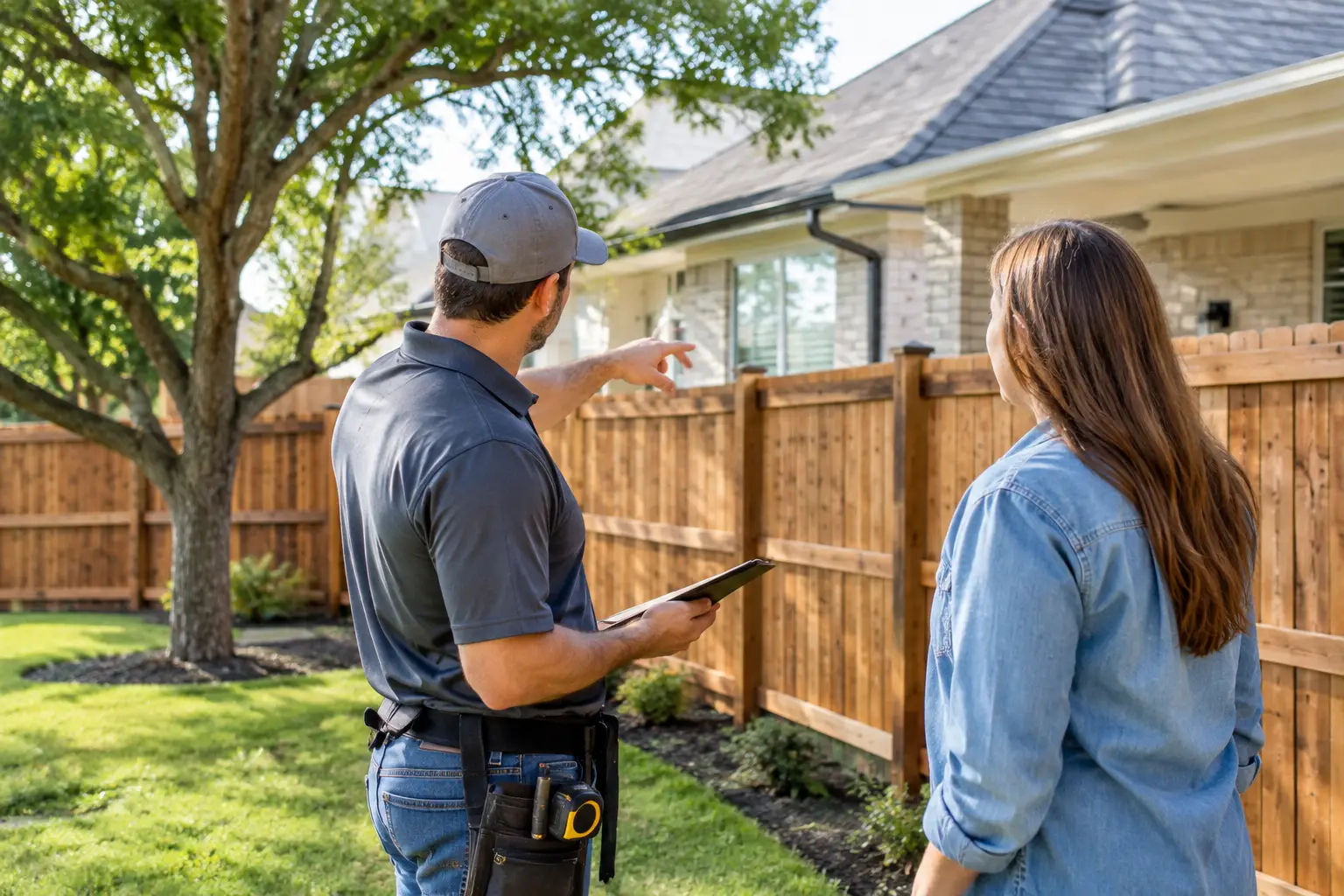
The layout matters just as much as the material. A contractor should look at slopes, low spots where water gathers, mature trees, existing structures, utility locations, and access for equipment. On a property with heavy tree cover, for example, a straight fence line may need small adjustments to avoid damaging roots or leaving large gaps below the fence.
Property lines also deserve attention. A fence contractor can build along a designated line, but homeowners should not rely on an old stake, a neighbor’s fence, or an assumption when there is uncertainty. Reviewing a survey and checking applicable neighborhood or municipal requirements early can prevent a costly disagreement later. If the property is governed by an HOA, get its material, height, and color requirements in writing before work is scheduled.
For commercial properties, landlords, and property managers, the conversation often includes access control, service gates, dumpster enclosures, tenant privacy, and a plan to limit disruption. The best solution is usually the one that meets the property’s day-to-day needs without creating a maintenance headache.
Choosing the Right Fence Material for Montgomery Weather
There is no single best fence material for every Montgomery property. Heat, humidity, rain, shifting ground, and strong storm seasons all influence how a fence performs. The right choice comes down to the look you want, the maintenance you are comfortable with, your budget, and the fence’s job.
Cedar for privacy and natural character
Cedar is a popular choice for residential fencing because it provides the warm, natural look many homeowners want around backyards and patios. A properly built cedar privacy fence can create a solid visual barrier while still fitting the character of a home or wooded lot. It does require periodic attention. Staining or sealing can help protect the wood, and damaged pickets should be addressed before moisture spreads the problem.
Treated pine for practical value
Treated pine is often a budget-conscious option for privacy fencing. It can be a good fit when installed with quality posts, rails, fasteners, and drainage considerations. Pine may show more movement, checking, or weathering over time than cedar, so workmanship is especially important. A low upfront price is not much of a bargain if undersized posts or poor installation lead to leaning sections a few years later.
Aluminum and metal for long-term function
Aluminum fencing works well where visibility matters, such as around a pool, along a front yard, or beside landscaping that homeowners do not want to hide. It has a cleaner, more open appearance than wood and generally needs less upkeep. Metal fencing can also suit security-focused applications, larger properties, and commercial sites. The trade-off is usually cost and privacy. If the objective is blocking a neighbor’s view, an open-style fence will not do that on its own.
Split rail and pet-focused fencing
Split rail can complement rural-style properties and larger lots, particularly when the main goal is marking an edge rather than creating privacy. For dogs, the design must account for the pet’s size, behavior, and ability to dig or squeeze through openings. A decorative fence that looks right but does not safely contain the dog is not the right fence.
Gates Deserve More Planning Than Most People Expect
Gates are the moving parts of a fence system, and they take more wear than a standard panel. A small walk gate needs enough clearance to swing freely and reliable hardware that will not sag under daily use. A driveway gate may require stronger posts, a wider turning area, and planning for vehicles, trailers, lawn equipment, or service access.
Gate placement should be discussed early. Think about where trash bins go, how a mower enters the backyard, which side guests use, and whether a future pool, deck, or landscaping project could change traffic flow. For a rental home, a simple, durable gate with dependable latching may be more valuable than an elaborate design that needs frequent adjustment.
GottaCallMAC provides Houston-area fence and gate services for residential and commercial properties, including fence installation, fence repair, gate installation, and gate repair. Working with one local contractor can be especially helpful when a project also involves tree removal, land clearing, storm damage cleanup, or other property improvements that affect the fence line.
How to Compare Fence Estimates Fairly
Fence estimates can vary for valid reasons, so comparing only the bottom number can lead to surprises. Ask what materials are included and how the contractor plans to build the fence. The quote should make it easier to understand the scope, not harder.
Pay attention to fence height, post size and spacing, rail count, picket style, gate details, tear-out of old fencing, haul-off, staining or sealing if included, and any special work needed around trees, slopes, or concrete. It is also reasonable to ask how the crew handles unexpected conditions, such as buried debris or a section where drainage has washed away soil.
A higher estimate is not automatically better, and the cheapest one is not automatically wrong. The key is knowing whether each contractor is pricing the same work. A clear written scope gives property owners a better way to judge value, schedule, and likely long-term performance.
Repair or Replace: Making the Sensible Call
Not every damaged fence needs to be replaced. A few broken pickets, a loose gate latch, or a small section affected by storm debris may be a straightforward repair. Timely fence repair can restore function and keep minor problems from spreading.
Replacement becomes more practical when posts are failing in multiple areas, panels lean throughout the yard, wood has widespread rot, or the fence no longer meets the property’s needs. Replacing isolated sections on an aging fence can leave a patchwork appearance and may not solve underlying post or drainage issues. On the other hand, replacing an entire fence because of one damaged panel may not be necessary.
After a storm, check for loose panels, shifted posts, fallen branches, damaged hinges, and gates that no longer latch. Avoid forcing a sagging gate or leaning panel back into position. That can cause more damage and create a safety issue, especially around children or pets.
Questions to Ask Before Scheduling the Work
Before selecting a Montgomery fence contractor, ask who will manage the project, what the expected schedule looks like, and how changes will be communicated. Confirm that the contractor is licensed, bonded, and insured, and make sure the estimate identifies the agreed material and design.
It also helps to discuss access to the yard, pets, locked gates, sprinkler heads, and any neighbor coordination needed before construction begins. A responsive contractor should answer practical questions plainly and set realistic expectations rather than promise a perfect outcome without seeing the site.
The right fence should feel like a useful part of the property, not another item on the repair list. Start with a clear purpose, choose materials that match Montgomery conditions and your budget, and get a detailed estimate before work begins. A free on-site conversation can turn an uncertain fence idea into a plan that fits the property and holds up over time.
