
 Roofing Services
Cedar Fence Benefits for Texas Homes
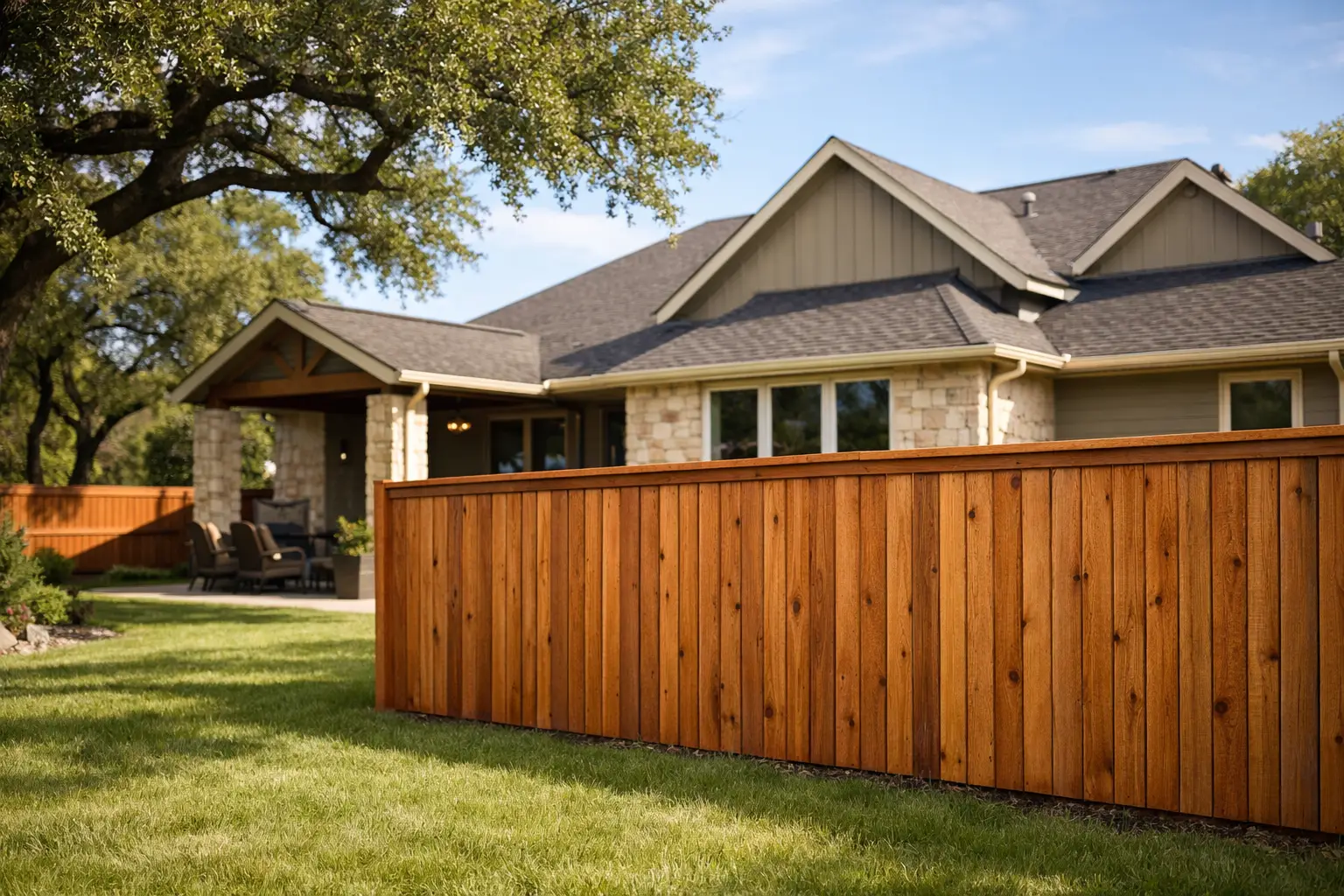
A cedar fence usually gets attention for one simple reason – it looks better on day one than most other wood options. But for Texas property owners, looks are only part of the story. Heat, humidity, storms, shifting soil, and everyday wear can turn a cheap fence into a short-term fix. If you want a fence that holds up well, adds privacy, and still gives your property a clean, finished look, cedar is one of the smartest choices on the market.
That said, cedar is not the right fit for every budget or every property. The best fence is the one that matches your goals, your maintenance expectations, and the way your yard actually gets used. That is where a little upfront planning saves money later.
Why a cedar fence makes sense in Texas
Cedar has a strong reputation because it balances appearance and performance better than many other fencing materials. It naturally resists insects and decay better than basic untreated wood, which matters in a climate where moisture and heat can be hard on exterior materials. It also tends to stay more dimensionally stable than lower-cost options, so you are less likely to deal with the same level of warping, twisting, and early breakdown.
For homeowners, that often means fewer headaches. For property managers and commercial owners, it can mean a fence that stays presentable longer without looking rough too quickly. If curb appeal matters, cedar brings a warmer, more finished appearance than many budget fences.
Privacy is another big reason people choose it. A well-built cedar privacy fence can block views, reduce noise somewhat, and create a stronger sense of separation around a backyard, pool area, rental property, or commercial perimeter. It gives a property structure. It can also make outdoor spaces more usable, especially when neighbors are close by.
Cedar fence vs. pine and metal options
A cedar fence is often compared with pressure-treated pine because both are common, practical choices. Pine usually wins on upfront price. If you need to fence a large area and cost is the main concern, pine may be the better fit. But lower initial cost does not always mean lower long-term cost. Depending on installation quality, maintenance, and exposure, pine may show age faster.
Cedar generally wins on appearance and natural resistance to insects and rot. Many owners also prefer the way cedar ages. Even as it weathers, it tends to keep a more attractive character than cheaper lumber.
Metal and aluminum fencing are a different category. They can be excellent for security, lower maintenance, and clean lines, but they do not offer the same privacy unless combined with other materials. If your goal is a private backyard or a visual barrier between properties, cedar often makes more sense. If your main concern is an open look or perimeter definition with less maintenance, metal may be worth considering.
It really comes down to priorities. Cedar gives you a strong middle ground: better appearance than many budget wood fences, more privacy than open metal styles, and a natural look that fits many homes and commercial properties.
What affects cedar fence lifespan
Not every cedar fence lasts the same amount of time. Material quality matters, but workmanship matters just as much. A well-installed fence starts with proper post spacing, solid post setting, good alignment, and materials chosen for the conditions of the site. If those basics are skipped, even good cedar can fail early.
Drainage plays a major role too. If water collects around posts or a fence line stays wet for long periods, the structure will wear out faster. Sprinkler systems can also shorten fence life if they constantly soak the same sections. Shade, tree coverage, and soil movement all make a difference.
Maintenance affects lifespan as well. Some owners prefer a natural weathered look and are comfortable with cedar turning gray over time. Others want to preserve the original tone with stain and sealant. Neither approach is wrong, but expectations should be realistic. A neglected fence in a high-moisture area will not age like one that gets routine care.
Choosing the right cedar fence style
Style is not just about appearance. It affects privacy, airflow, maintenance, and how the fence fits the property. For many homes, a traditional cedar privacy fence is the go-to option because it provides full coverage and a clean border around the yard. This style works well for families, pets, pools, and outdoor living areas.
Board-on-board cedar fencing is popular when owners want more privacy and a more finished look from both sides. Because boards overlap, there are fewer visible gaps as the wood naturally expands and contracts. That can be especially helpful in Texas weather.
A horizontal cedar fence offers a more modern look. It can be a strong choice for newer homes, renovated properties, and commercial spaces that want a cleaner design. But it needs proper installation. Horizontal layouts can put different stress on the structure, so this is not a place to cut corners.
Decorative top trims, custom gates, and mixed-material designs can also make sense, especially if you are trying to boost curb appeal before selling or leasing a property. The right design should fit the architecture of the building, not fight it.
When repair makes sense and when replacement is smarter
A lot of property owners ask the same question: should I repair the fence I have, or start over? The answer depends on how widespread the damage is. If a few pickets are loose, one gate is sagging, or a limited section was damaged by a storm, repair may be the most cost-effective option.
If posts are failing in multiple areas, sections are leaning, or the wood is rotting across large portions of the fence, replacement is often the better investment. Patching one problem after another can add up fast, and eventually you are paying to hold together a structure that is already near the end of its useful life.
This is especially true for rental properties and commercial sites. If the fence affects security, tenant satisfaction, pet containment, or appearance from the street, repeated repairs may cost more in the long run than installing a dependable new fence.
Cost expectations for a cedar fence
Cedar costs more than many entry-level wood fence options, but there is a reason it stays in demand. You are paying for better material, stronger curb appeal, and a fence that often holds up better over time. Still, pricing can vary based on height, style, access to the site, gate count, terrain, and whether old fencing needs to be removed.
A simple privacy fence on level ground is different from a custom layout around trees, slopes, or tight property lines. The size of the job matters too. So does the quality of posts, fasteners, and framing. If a quote seems dramatically lower than others, it is fair to ask what is being reduced. Sometimes the answer is thinner materials, fewer fasteners, or shortcuts in post installation.
That is why clear estimates matter. A good contractor should explain what is included, what is optional, and where your money is going. If you are comparing bids, compare the actual scope of work, not just the bottom-line number.
What to look for in cedar fence installation
A cedar fence only performs as well as it is built. Good installation shows up in the details: straight lines, secure posts, smooth gate operation, consistent spacing, and a finished result that looks intentional from every angle. You should not have to guess whether the crew cared about the job.
It also helps to work with a contractor that understands more than fencing alone. On some properties, fence work connects to grading issues, tree interference, storm cleanup, or broader exterior improvements. Having one reliable team that can spot those issues early can save time and prevent rework later.
For property owners in areas like Spring, The Woodlands, Conroe, and greater Houston, that local experience matters. Soil movement, weather exposure, and neighborhood expectations are not the same everywhere. A fence that works well in one setting may need a different approach in another.
At GottaCallMAC, we believe fence work should be straightforward: fair pricing, clear communication, dependable craftsmanship, and a finished product that looks right and lasts. Whether you need a new cedar fence, section repairs, or help figuring out the best option for your property, the goal is the same – make the job simple and do it right the first time.
A good fence does more than mark a property line. It gives your home or business more privacy, a stronger appearance, and one less thing to worry about when the weather turns or daily use starts to add up.
