
 Roofing Services
Wood Fence Installation Done Right
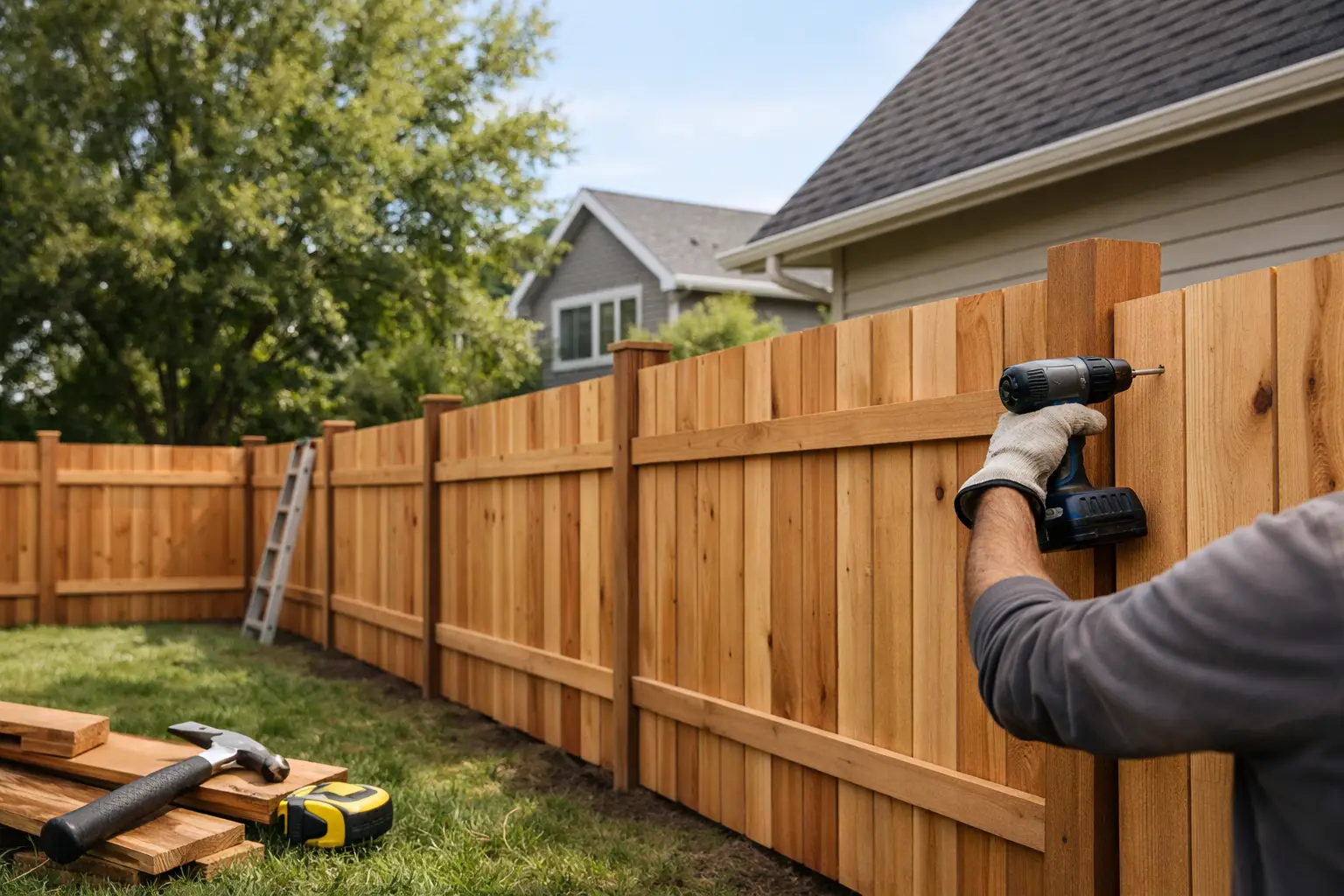
A wood fence can make a property feel finished fast. It adds privacy, helps define the lot, keeps pets and kids safer, and gives the yard a cleaner look from the street. But wood fence installation is one of those jobs where small shortcuts turn into big problems later – leaning posts, warped pickets, sagging gates, and repairs you did not plan to pay for twice.
For homeowners and property managers, the real question is not just what style looks good. It is whether the fence will still be standing straight after a hard rain, summer heat, and everyday use. In Texas, that matters even more. Soil movement, humidity, storms, and strong sun all put pressure on a fence long after install day.
What good wood fence installation really includes
A lot of people picture fencing as posts, rails, and boards. That is the visible part. The part that decides whether the job lasts is below the surface and in the layout.
Good installation starts with a clear plan for the property line, grade changes, gate placement, and drainage. A fence that looks straight from the driveway can still fail early if the post spacing is off or the gate opening is not framed correctly. If the installer does not account for low spots, sprinkler lines, tree roots, or soft soil, the fence may shift before the first year is over.
The materials matter too, but not in a one-size-fits-all way. Cedar is a popular choice because it holds up well and has a clean, natural look. Pine can be a more budget-friendly option and still perform well when treated properly. The best pick depends on your goals. If appearance is the priority, one type may make more sense. If you are balancing price with function on a rental property or a large perimeter, another might be the better fit.
Choosing the right wood fence for your property
Not every property needs the same fence. A backyard privacy fence has different demands than a side-yard divider, a dog fence, or a boundary fence around commercial space.
Privacy fences
This is the most common request, and for good reason. A solid wood privacy fence blocks views, reduces distractions, and gives outdoor space a more secure feel. It is a strong option for families, pool areas, patios, and homes close together.
Decorative and semi-private styles
Some owners want separation without closing everything in. Shadowbox and other semi-private styles allow more airflow and soften the look from both sides. These can be a smart choice when wind load is a concern or when neighbors want something less boxed-in.
Functional fences for pets and property lines
If the main goal is keeping dogs in or clearly marking the edge of a lot, the design priorities shift. Height, spacing, gate reliability, and durability become more important than appearance alone. That is where practical planning pays off.
The biggest factors that affect cost
Fence pricing is never just about the number of feet. The total cost of wood fence installation usually comes down to materials, site conditions, and how much structural work the job really requires.
A flat, open yard is simpler and faster than a property with slopes, old fencing to remove, root systems, or limited access. Gates add cost because they require stronger framing and hardware. Corners, custom layout changes, and unusual lot lines can also increase labor.
Material choice is the other major driver. Cedar generally costs more than pine, but the long-term value may be better depending on the property and how long you plan to keep it. Hardware, post depth, concrete use, and board style all factor in as well. That is why a quick price per foot can be misleading. Two fences with the same linear footage can have very different labor and material demands.
For many owners, the best approach is not chasing the lowest number. It is finding a fence that fits the budget without cutting the parts that matter most, especially posts, gates, and installation quality.
Why posts and gates make or break the job
If there is one place where a fence should never be built cheap, it is the framework. Posts carry the load. Gates take the most abuse. When those areas are rushed, the rest of the fence follows.
Posts need proper depth, spacing, and support based on soil and fence height. Too shallow, and they loosen. Too far apart, and panels start to sag or move. In areas with shifting ground or frequent heavy rain, that margin for error gets even smaller.
Gates are often the first part of a fence to show problems. A gate that drags, sticks, or sags usually points back to installation, not just wear and tear. Good gate construction means strong posts, correct bracing, quality hinges, and enough room for daily movement without stressing the frame.
That may not be the part visitors notice first, but it is the part you will notice every day.
How long a wood fence should last
A properly installed wood fence can last for years, but lifespan depends on wood type, maintenance, weather exposure, and build quality. There is no honest way around that. Wood is a natural material, and it responds to moisture, heat, and age.
That said, a fence should not start leaning or falling apart early if it was installed correctly. The boards may weather over time. The color may soften. Some maintenance will eventually be needed. Those are normal parts of owning a wood fence. Structural failure in the near term is not.
If you want the fence to hold its appearance longer, sealing or staining can help. If you want the least upfront cost, a simpler material option may be the better route. It depends on whether your priority is appearance, longevity, or staying within a set project budget.
When replacement makes more sense than repair
Some fence problems can be fixed. Others are signs that patchwork will only buy a little time.
If just one section is damaged by impact or a few boards are rotten, repair may be the smart move. But if posts are failing in multiple areas, gates are out of line, and the fence has widespread age or moisture damage, replacement often saves money in the long run.
This is especially true when owners have already paid for several small repairs over the years. At that point, starting fresh with a stronger layout and new materials can be the more practical decision.
For people managing rental homes, commercial properties, or listings that need to show well, replacement can also improve curb appeal and reduce recurring maintenance calls.
What to expect from a professional install
A professional fence project should feel organized from the first estimate. You should know what is being built, what materials are included, where gates will go, what the timeline looks like, and what site conditions could affect the final scope.
Good communication matters just as much as good workmanship. Property owners do not want vague answers, surprise charges, or a crew that disappears halfway through the job. They want clear pricing, dependable scheduling, and a finished fence that looks right and functions the way it should.
That is one reason many customers prefer working with a full-service local contractor instead of trying to coordinate multiple vendors or chase the cheapest labor they can find. A company like GottaCallMAC understands that the fence itself is only part of the job. The other part is showing up, doing the work right, and keeping the project simple for the customer.
Wood fence installation is worth doing right the first time
A fence is not just a line around your yard. It affects privacy, safety, property value, and how the whole place feels when you pull in. Whether you own a home in The Woodlands, manage rentals in Houston, or need a dependable boundary fence for another property, the best results come from matching the right design with solid installation.
If you are comparing options, ask practical questions. What wood fits your budget? How will the posts be set? Will the gates hold up to daily use? How will the layout handle the shape and drainage of the lot? Those answers tell you more than a low quote ever will.
When the job is planned well and built by a crew that respects your time and your property, a wood fence does exactly what it should – it works hard, looks good, and stays that way.
