
 Roofing Services
Choosing Aluminum Fence Installers
A fence can look great on day one and still become a headache six months later if the layout is off, the gates sag, or the finish starts showing problems. That is why choosing aluminum fence installers matters as much as choosing the fence itself. A good crew does more than set panels in the ground. They help you avoid drainage issues, uneven lines, weak gate posts, and the kind of shortcuts that cost more to fix later.
For homeowners and property managers, aluminum fencing is a practical choice because it gives you a clean, finished look without the heavy maintenance of wood. It works well around front yards, backyards, pools, commercial properties, and common areas. It is also popular across the greater Houston area because it handles heat, rain, and changing conditions better than many people expect. Still, the material alone is not the whole story. Installation quality decides how well that fence performs over time.
Why aluminum fence installers make a difference
On paper, aluminum fencing seems simple. The panels are pre-fabricated, the posts are spaced out, and the final result looks neat and uniform. In the field, it is rarely that straightforward. Yards slope. Soil shifts. Existing concrete gets in the way. Gates need more support than standard sections. Property lines are not always as obvious as they seem.
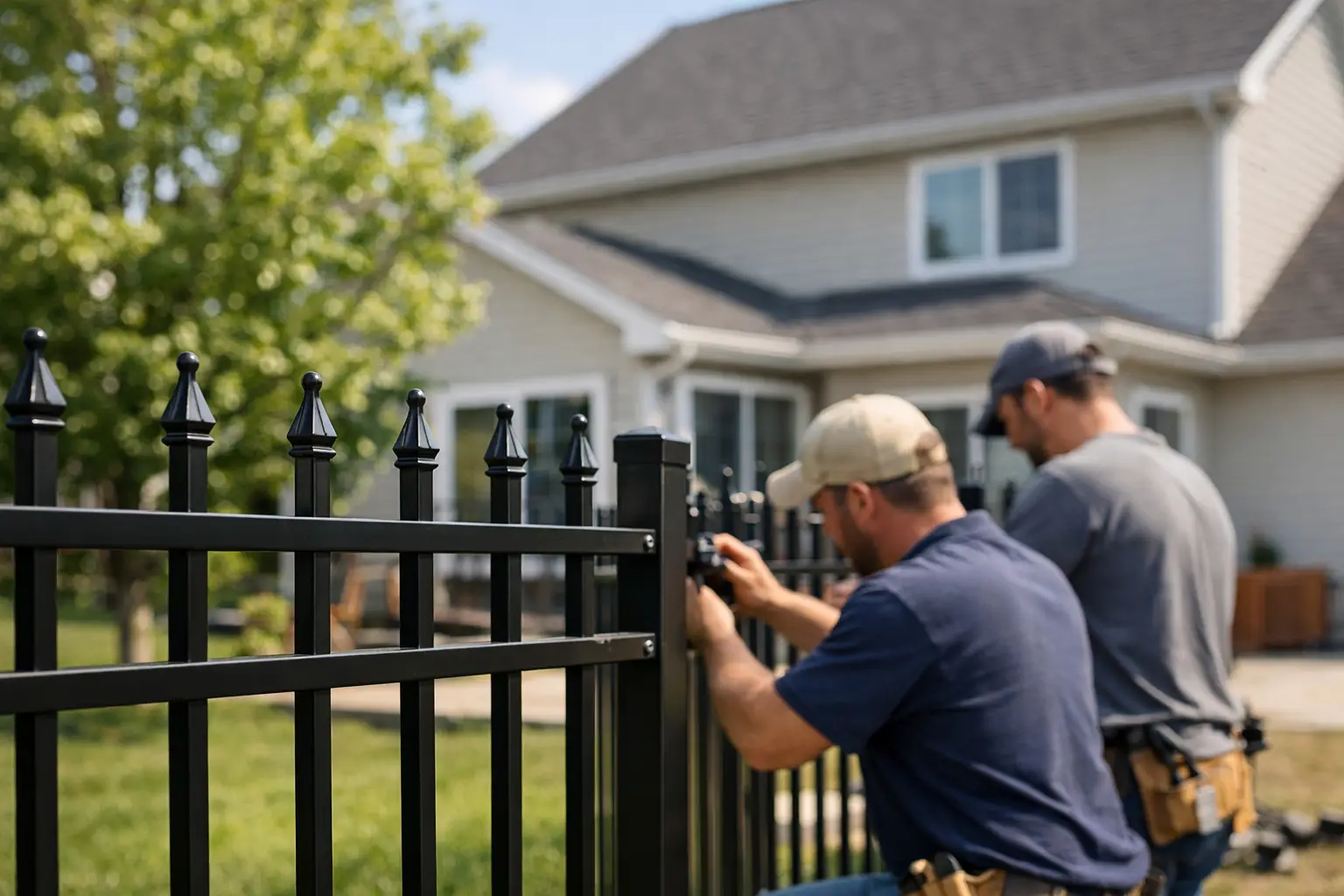
Experienced aluminum fence installers know how to work through those details before they become problems. They check grade changes so the fence follows the land properly. They set posts with consistent spacing and alignment. They account for gate swing, latch placement, and traffic flow. If the fence is going around a pool, they also understand that code requirements are not something to guess at.
That kind of planning is what separates a fence that simply stands up from one that looks sharp, functions well, and holds its value. For a residential property, that means better curb appeal and fewer repairs. For a commercial site, it means a more professional appearance and better perimeter control.
What to look for in aluminum fence installers
The first thing to look for is not the lowest number on a quote. It is whether the contractor asks the right questions. A reliable installer should want to know where the fence is going, what you need it to do, whether you need one or more gates, and whether the site has slope, drainage concerns, or access limitations.
They should also be clear about materials. Not all aluminum fencing is the same. Thickness, rail strength, coating quality, and hardware all affect long-term performance. If a contractor is vague about what product is being installed, that is worth slowing down for.
Communication matters too. You want a company that shows up when promised, explains the schedule, and gives you a realistic timeline instead of telling you whatever sounds good in the moment. That is especially important if you are managing a tenant property, preparing a home for sale, or trying to coordinate multiple exterior improvements at once.
A professional installer should also be licensed, bonded, and insured. That is not just a box to check. It protects you if something goes wrong and shows that the company takes its work seriously. If they offer free estimates and stand behind their workmanship, even better.
Cost depends on more than fence length
A lot of people start with one question: how much per foot? That is understandable, but it is only part of the price. Linear footage matters, of course, but so do the site conditions and the design.
A flat, open yard is usually faster and more affordable than a property with heavy slope, tight access, old fencing to remove, or several custom gate openings. Height changes can affect price. Decorative options can affect price. Pool-code requirements can affect price. Corner transitions, tie-ins, and post depth can affect price too.
That does not mean aluminum is a bad value. In many cases, it is a smart long-term investment because you are not budgeting for constant staining, repainting, or board replacement. The upfront cost may be higher than some basic wood options, but the maintenance picture is usually much easier.
The best approach is to ask for a clear estimate that explains what is included. That should cover materials, labor, post setting, gates, haul-off if needed, and any special conditions the installer sees on site. A cheap quote is not always cheap once the add-ons start showing up.
Where aluminum fencing works best
One reason aluminum fencing stays in demand is that it fits a lot of different properties. It has the polished look many homeowners want in a front yard or along a driveway, but it is also practical enough for pool enclosures, side yards, apartment communities, office properties, and retail spaces.
If visibility matters, aluminum is a strong option. You can secure an area without blocking sightlines, which is useful around landscaped spaces, entry features, and waterfront or greenbelt views. That open design also makes it popular for pet areas when owners want containment without making the yard feel closed off.
There are trade-offs, and a good contractor should be honest about them. If total privacy is the goal, aluminum is usually not the best fit. If you want a strong visual barrier from neighbors or traffic, a different material may make more sense. But if you want a durable, low-maintenance fence with a more upscale appearance, aluminum often hits the right balance.
Questions to ask before hiring aluminum fence installers
Before you sign anything, ask how the crew handles slopes, gate reinforcement, and layout changes. Ask what grade of aluminum they install and what finish is used on the panels. Ask whether the estimate includes removal of old fencing and site cleanup. These are basic questions, but they tell you a lot about how organized the company is.
It also helps to ask who is actually doing the work. Some companies sell the job and hand it off with little oversight. Others manage the project closely from estimate to final walkthrough. If you are trusting someone with your home or commercial property, that difference matters.
You should also ask about timeline. Weather can affect any outdoor project, especially in Southeast Texas, but a dependable contractor should still give you a reasonable window and communicate if anything changes. Quick turnaround is great when it is real. It is not so great when it leads to rushed work.
Why local experience helps
Fence installation is never completely one-size-fits-all. Soil conditions, drainage patterns, storm exposure, neighborhood requirements, and municipal rules can vary from one area to the next. That is one reason local experience matters.
Installers who regularly work in places like Spring, Conroe, The Woodlands, Katy, and surrounding communities tend to know what causes delays and what details deserve extra attention. They are more likely to spot issues early, whether that is soft ground, a difficult grade, or the need for a gate layout that fits everyday use.
For customers who want convenience, working with a full-service contractor can also save time. If your property needs fence work as part of a larger improvement plan, having one reliable team coordinate the job is often easier than juggling multiple companies. GottaCallMAC is built around that kind of practical service – straightforward estimates, dependable workmanship, and pricing that makes sense for real budgets.
The best fence is the one installed right
Aluminum fencing has a lot going for it. It is clean-looking, durable, and easier to maintain than many traditional options. But the final result still comes down to workmanship. Straight lines, solid posts, properly supported gates, and a layout that fits the property are what make the investment pay off.
If you are comparing aluminum fence installers, slow down enough to look past the sales pitch. Pay attention to how they assess the site, explain the job, and price the work. A contractor who is responsive, honest, and detail-focused will usually save you money and frustration in the long run.
The right fence should make your property look better, function better, and give you one less thing to worry about.
