
 Commercial Remodeling
A fence can look straight and solid when it goes up, then start showing twisted pickets, bowed rails, and a gate that drags a few months later. That is a familiar problem around Greater Houston. If you are asking why wood fences warp in Houston heat and what you can do about it, the short answer is that heat matters, but changing moisture levels are usually the bigger culprit. GottaCallMAC helps property owners sort out whether a fence needs a targeted repair, better maintenance, or a full replacement built for local conditions.
Houston Heat Is Only Part of the Problem
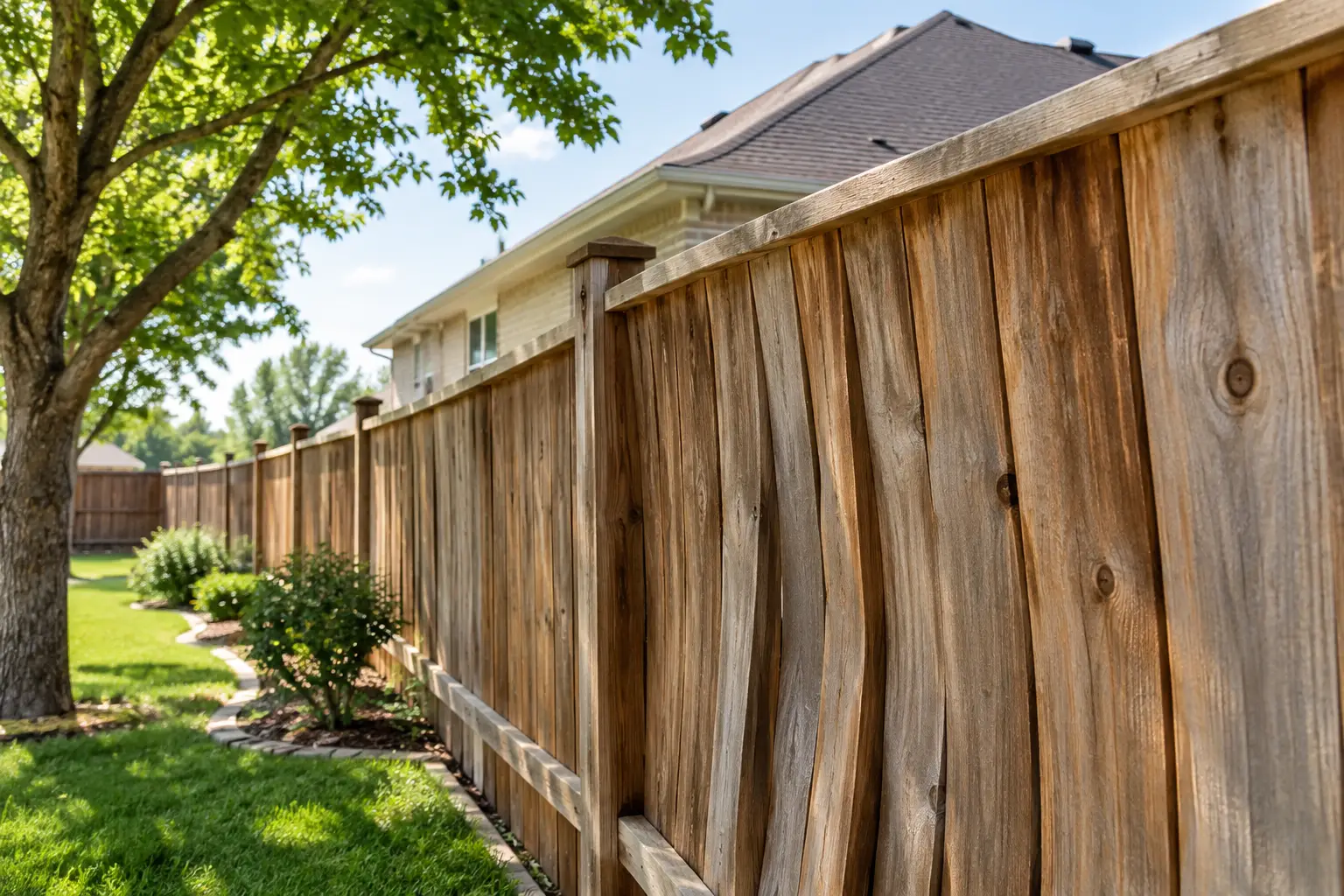
Wood is not a fixed material. It absorbs moisture when humidity and rain are high, then releases moisture when the weather turns hot and dry. As the moisture content changes, boards expand and shrink. They do not always move evenly from one side to the other, which creates the twisting, cupping, bowing, and splitting homeowners see on older fences.
Houston-area weather puts wood through that cycle repeatedly. A fence can be soaked by a hard rain, sit in humid air, and then face intense afternoon sun. The sunny side of a picket may dry faster than the shaded side. That uneven drying places stress on the board, especially if the lumber was not properly dried before installation or has a naturally unstable grain pattern.
Heat speeds the process up. Direct sun can pull moisture out of exposed cedar or treated pine quickly, while shaded sections stay damp longer. That is why one stretch of fence may look fine while another stretch, only a few feet away, begins to lean, cup, or crack.
What Warping Looks Like on a Wood Fence
Not every crooked board means the whole fence is failing. It helps to identify what is actually moving before deciding on a repair.
A cupped picket curves across its width, making the face look concave or rounded. A twisted picket rotates along its length and may pull away from the rail. Bowed rails bend across a section of fence, often because of heavy pickets, loose fasteners, or a post that has shifted. Leaning sections usually point to a post problem rather than a simple picket issue.
Gates deserve special attention. A wood gate carries more weight and movement than a standard fence panel. When posts settle, wood swells, or hardware loosens, the gate can sag and rub the ground. A dragging gate is worth addressing early. Waiting can put extra stress on the hinges, latch, and adjoining fence section.
Why Some Fences Warp Faster Than Others
The material and installation details make a real difference. Cedar is popular for privacy and board-on-board fencing because it has natural resistance to decay and a clean appearance. It can still warp, however, especially if it is exposed to harsh sun without protection or if boards have wide grain variation.
Treated pine is a practical, budget-conscious option and is widely used for posts and framing. Because treated lumber often starts with more moisture, it may shrink and move noticeably as it dries after installation. That does not automatically mean the fence was built poorly. Some movement is normal. The goal is to use straight, sound lumber, install it correctly, and allow for the realities of the material.
Several jobsite conditions can make movement worse:
- Pickets installed too tightly together can bind as the wood swells after rain.
- Lightweight rails or wide post spacing may allow panels to bow over time.
- Nails or screws that do not hold securely can let pickets pull loose as boards move.
- Posts that are shallow, deteriorated, or sitting in consistently wet soil can shift and throw an entire section out of alignment.
Large trees can add another layer to the problem. Shade may keep parts of the fence damp, while roots, falling limbs, and leaf buildup can affect the ground and surrounding fence line. Trimming back overhanging branches and keeping debris away from the base of the fence helps reduce unnecessary moisture and damage.
How to Prevent Wood Fence Warping in Houston Heat
There is no way to make wood completely immune to Houston weather. A well-planned fence can still age and move a little. The practical goal is to reduce the stress that leads to severe warping and shorten the list of repairs down the road.
Start With Straight, Quality Lumber
Material selection matters before the first post is set. Boards should be reasonably straight and free from major splits, excessive knots, or obvious twisting. A few imperfect boards in a bundle are common, but installing badly warped lumber only gives the fence a head start on problems.
For a new privacy fence, the right combination of cedar or treated pine, properly sized rails, and sturdy posts depends on the layout, exposure, and budget. A long open fence line in full west-facing sun may need a different approach than a shaded backyard fence in The Woodlands, Spring, or Kingwood.
Build the Frame to Carry the Load
Pickets are the visible part of a fence, but posts and rails do the heavy work. Posts need to be set securely and aligned carefully. Rails should be strong enough for the fence height and picket weight. Fasteners need to be appropriate for exterior use and installed in a way that keeps boards secure without over-restricting their natural movement.
Board-on-board fences are especially attractive for privacy because overlapping pickets help close the gaps that can appear as wood dries. They also use more material and add weight, so solid framing is essential. A top cap can give the fence a finished look and help shield picket ends, but it should be installed as part of a sound overall design, not as a shortcut for weak framing.
Give the Fence Room to Dry
Keep soil, mulch, irrigation spray, and piled leaves from resting against the bottom of the fence. Constant contact with moisture is hard on pickets and rot boards. A small gap between the bottom of the fence and the ground helps promote drainage and airflow while reducing premature decay.
Be thoughtful about sprinklers, too. A fence that gets sprayed every morning and baked every afternoon is constantly cycling through moisture changes. Redirecting a sprinkler head away from the fence can be one of the simplest maintenance improvements a property owner can make.
Seal or Stain at the Right Time
A quality exterior stain or sealer can slow moisture absorption and reduce UV damage. It will not stop all movement, and it cannot straighten a badly twisted board, but it gives the wood another layer of protection against sun and rain.
Timing depends on the lumber and its moisture level. Newly installed treated pine may need time to dry before it is coated. Applying finish too soon can trap moisture and lead to poor adhesion. Cedar may be ready sooner, but the surface should still be clean and dry. If you are unsure, ask the contractor or product manufacturer about preparation and recommended application conditions.
When a Fence Can Be Repaired
Many warped-fence issues are repairable without replacing everything. A few twisted pickets, loose rails, damaged rot boards, or worn gate hardware can often be corrected while the posts and main framework remain in good condition. This is a sensible option for landlords, property managers, and homeowners trying to extend the life of an otherwise solid fence.
GottaCallMAC can assess individual sections and focus on the work that actually needs attention. Replacing failed pickets, reinforcing rails, resetting a problem post, or repairing a gate can improve security and appearance without treating every fence issue as a full replacement.
Replacement becomes the better value when multiple posts are leaning or rotted, rails are failing across several sections, or the fence has widespread warping and storm wear. Patching a fence that has reached the end of its useful life can become frustrating and expensive. A new fence gives you the chance to correct drainage, layout, material, and gate concerns from the beginning.
Do Not Ignore the Gate or the Fence Line
A warped fence often puts pressure on gates, latches, and neighboring sections. Check that gates close without lifting them, that latches line up, and that the posts are still plumb. Also look for branches rubbing on the fence, standing water along the line, and signs that soil has washed away near posts after heavy rain.
A quick seasonal walk around the property can catch small issues before they spread. Tightening hardware, clearing vegetation, replacing a few damaged pickets, and touching up protective finish are usually easier than waiting for a section to sag or blow loose during the next storm.
If your wood fence is twisting, leaning, or giving you trouble at the gate, a straightforward inspection can help you make the right call. For dependable fence repair, replacement, gates, tree work, and property improvements across Greater Houston, contact GottaCallMAC for a free estimate at 936-290-3502 or visit www.gottacallmac.com. A fence built and maintained for local weather will look better, work better, and save you from bigger repairs later.
