
 Roofing Services
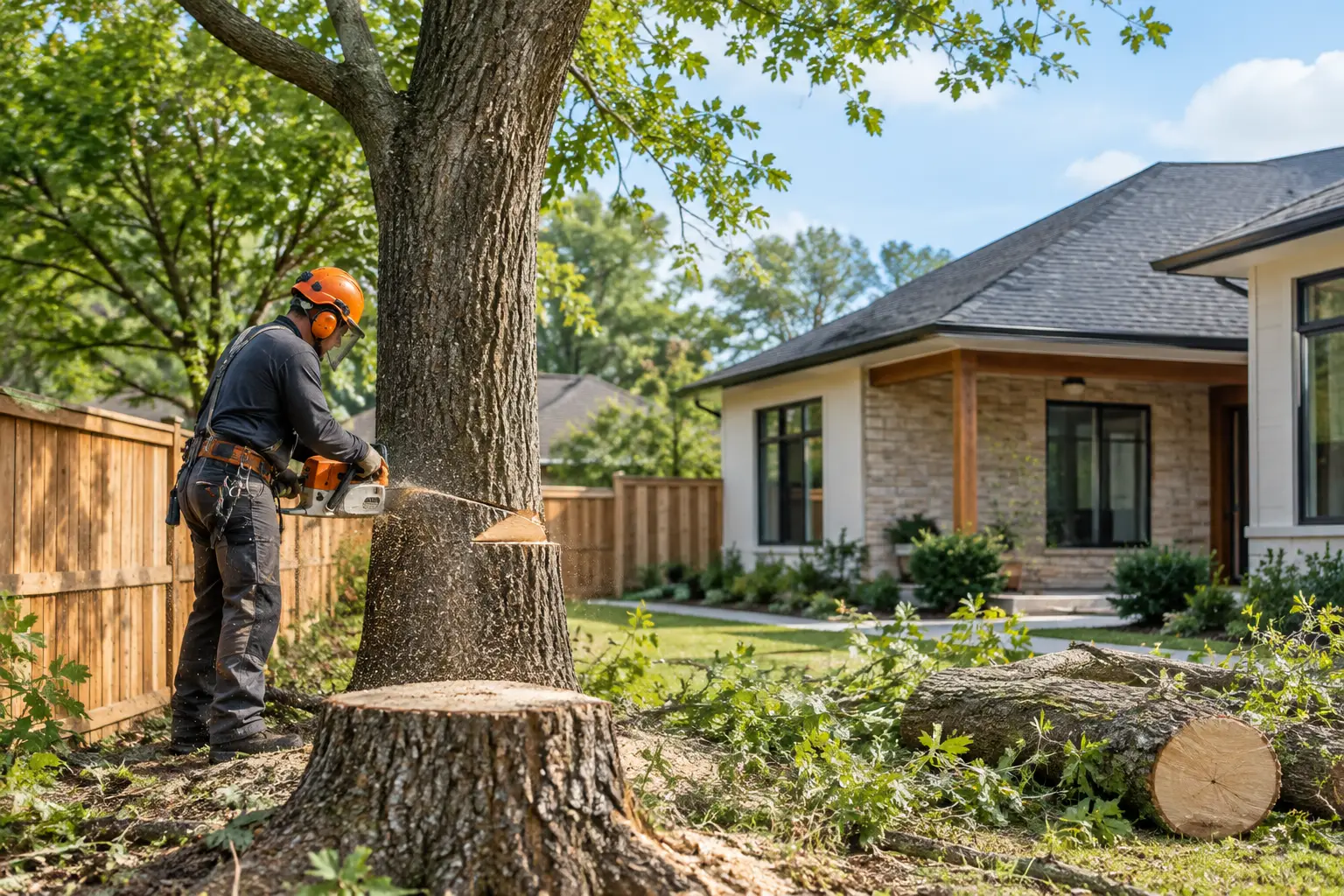
A tree leaning over a fence, driveway, roofline, or rental property is rarely something to put off for long. Tree removal costs can vary widely because no two trees, yards, or access situations are exactly alike. At GottaCallMAC, we help Greater Houston property owners understand what the work involves before a crew arrives, so there are fewer surprises and a clearer plan for protecting the rest of the property.
A quick phone estimate can be useful as a starting point, but an on-site look is the most reliable way to price a removal. The height of the tree matters, but so do its condition, the room available to work, nearby fencing, and what needs to happen after the tree is down.
What Are Typical Tree Removal Costs?
For many residential properties, a small tree with open access may fall in the lower hundreds of dollars. Medium trees often cost more because they take additional time, labor, and cleanup. Large trees, trees near structures, or removals that require careful sectional work can move into the thousands.
As a broad planning range, homeowners may see prices around $250 to $600 for a small, straightforward tree, $600 to $1,200 for a medium tree, and $1,200 to $2,500 or more for a large or complicated removal. Those figures are not a quote. A tree with storm damage, limited access, heavy limbs over a house, or a tight backyard can require a very different approach than a similarly sized tree in an open front yard.
The right question is not just, “How much does it cost to cut down a tree?” It is, “What work is included, and what conditions make this tree more involved?” A clear estimate should answer both.
The Main Factors That Affect Tree Removal Costs
Tree size, species, and condition
Taller trees generally involve more labor, more material to handle, and more controlled cutting. Trunk diameter and canopy spread matter too. A broad mature oak can create far more debris than a narrow tree of similar height.
The tree’s health also affects the job. A standing dead tree may be more unpredictable than a healthy one, while a storm-damaged tree can have broken or hanging limbs that need to be handled carefully. Dense, heavy wood and tangled branch patterns may add time compared with a smaller, cleaner tree.
Access to the work area
Access is one of the biggest cost factors homeowners do not always see at first. A tree in an open lot is often easier to remove than one behind a house with a narrow side gate, landscaping, a pool, utility equipment, or a privacy fence in the way.
In neighborhoods across The Woodlands, Spring, Conroe, and nearby communities, mature trees and established fences often share the same tight property lines. When crews cannot bring equipment close to the tree, more of the work may need to be done by hand. That can affect both labor and debris removal.
Nearby structures and improvements
A tree that stands away from buildings is one thing. A tree over a roof, deck, driveway, gate, shed, or fence requires a more controlled plan. Limbs may need to come down in smaller sections rather than being dropped into an open area.
This is especially relevant when a tree is pressing on, growing through, or threatening an aging fence. Removing the tree before it causes more damage can be the practical choice, but the crew should assess how to protect the fence during the work. If a section is already damaged, it may make sense to plan a fence repair or replacement after removal rather than patching the same area twice.
Hauling, cleanup, and debris removal
Tree removal is more than cutting. Ask whether the estimate includes cutting limbs into manageable pieces, hauling brush, removing logs, raking the work area, and disposing of debris. Some property owners want logs left for firewood or mulch projects. Others need the site cleared completely for a new fence, landscaping, rental turnover, or construction project.
Cleanup needs can change the price. A simple cut-and-drop job is different from a full-service removal with brush hauling and a clean, usable yard afterward.
Stump grinding is usually separate
The stump is often priced separately from tree removal because it is separate work with different equipment. Stump grinding can improve the appearance and usability of the yard, especially when the area will receive a new fence, gate post, walkway, sod, or landscaping.
Whether grinding is worthwhile depends on the plan for the area. If a stump is outside the usable space and not creating a problem, some owners choose to leave it. If it is near a fence line or where a new gate needs to be installed, grinding it first may prevent layout issues later.
Why Low Quotes Can Leave Out Important Work
A low number is not automatically a bad number, but it should prompt a few practical questions. Does the quote include debris hauling? Is stump grinding included or optional? Will the crew protect nearby fencing and landscaping as reasonably as conditions allow? Are fallen limbs, logs, and brush being removed from the property?
Property owners should also confirm the scope if the tree is near a shared boundary or fence line. Clear communication before work begins helps prevent confusion about access, cleanup, and the condition of existing improvements.
GottaCallMAC focuses on straightforward estimates that explain the work being proposed. If tree removal is part of a larger improvement, such as clearing a fence line, replacing damaged cedar fencing, installing a new gate, or preparing a rental property, combining the planning can make the entire project easier to manage.
Tree Removal Before Fence Replacement
For many homeowners, tree work and fencing go together. Roots can push against posts, trunks can crowd a property line, and low limbs can keep a fence damp and shaded. That moisture and constant contact can shorten the life of wood fencing over time.
If you are planning a new cedar privacy fence, treated pine fence, board-on-board fence, or ornamental metal fence, look at the trees first. Removing a problem tree before installation can give the fence crew better access and reduce the risk of damaging new materials later. In some cases, selective trimming is enough. In other cases, removal and stump grinding create a cleaner long-term solution.
The trade-off is straightforward: removing more tree coverage changes the look and shade of a yard, while leaving an unstable or poorly placed tree can create future maintenance and repair costs. An experienced contractor can help you think through the condition of the tree and the purpose of the space, rather than treating every tree as an automatic removal.
When Storm Damage Changes the Scope
Houston-area storms can leave trees split, leaning, or scattered across fences and yards. Even when a tree remains standing, damaged limbs can make routine removal more involved. The work may need to be staged differently, especially when there is limited room around structures or improvements.
After storm cleanup, take a close look at fencing, gates, siding, decks, and other exterior features. A fence can look mostly intact while posts, rails, or gate hardware have been weakened by impact. Addressing both the tree debris and visible property damage in one coordinated plan can save time and help restore the property faster.
How to Get a Useful Tree Removal Estimate
When requesting an estimate, share clear photos if you have them, but expect a site visit for an accurate price on larger or more difficult trees. Point out access points, fences, gates, structures, drainage areas, and any places where debris cannot be placed. Be clear about whether you want complete cleanup, logs left behind, stump grinding, or additional work along the fence line.
A good estimate should make it easier to compare scope, not just the bottom-line number. The lowest price may not include hauling, stump work, or the careful handling needed around your improvements. The highest price is not automatically the right answer either. What matters is understanding the plan, the included work, and the condition of the site.
A problem tree does not get less complicated by waiting for the next heavy wind or the next fence repair. If you need an honest look at a tree, storm debris, stump, or damaged fence line, contact GottaCallMAC for a free estimate at 936-290-3502 or visit www.gottacallmac.com. Reliable, professional, and affordable help starts with a clear plan for your property.
