
 Roofing Services
A Texas backyard can be a favorite place to gather – until blazing sun, muddy drainage paths, worn fencing, or no real seating area make everyone head back inside. The best outdoor living upgrade trends are not about copying a showroom patio. They are about making your property more comfortable, private, useful, and easier to maintain through long Houston-area summers and changing weather.
For homeowners, landlords, and commercial property owners, the smart approach is to build around how people actually use the space. That might mean a deck for weekend cookouts, a cedar fence for privacy, a dog run that keeps the yard organized, or cleared space that finally makes a large lot usable. The right upgrade adds enjoyment now while protecting curb appeal and property value later.
Outdoor Living Upgrade Trends Built for Real Use
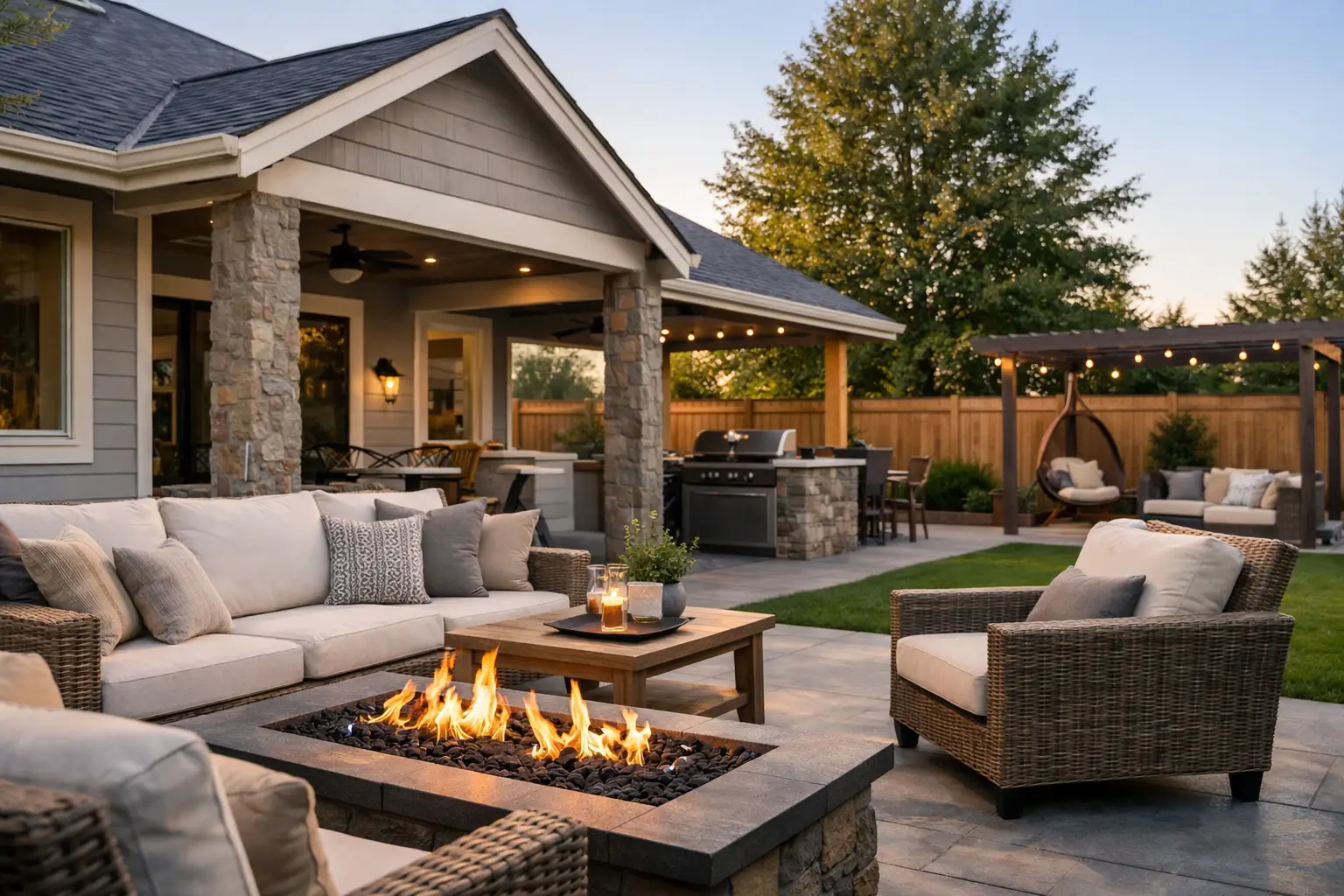
The biggest shift in outdoor upgrades is simple: people want their yards to function like an extension of the home. A patch of grass behind the house is becoming a place to eat, relax, entertain, let pets play, and enjoy time outside without taking on a major maintenance burden.
That does not mean every project needs a large covered structure or a complete backyard overhaul. In many cases, a well-built deck, secure gate, improved privacy, and thoughtful cleanup make a bigger difference than an expensive feature that rarely gets used. Start with the everyday problem you want to solve, then choose materials and scope that fit the property.
1. Defined Outdoor Rooms
Homeowners are using decks, fencing, gates, and landscaping boundaries to create separate areas for different needs. One section may be set up for outdoor dining, while another becomes a safe dog area or a quiet spot with a few chairs. This approach works especially well on properties that feel open, uneven, cluttered, or difficult to organize.
A deck is often the anchor for this kind of layout. It creates a level, clean surface for furniture and gives outdoor gatherings a natural center. The size matters, but so does placement. A smaller deck positioned near the kitchen or family room may get more use than a large platform built far from the house.
For commercial properties and rental homes, defined outdoor spaces can also make maintenance easier. Clear walkways, enclosed storage areas, and designated pet spaces help reduce wear across the rest of the property.
2. Privacy That Still Looks Good
Privacy remains one of the strongest reasons people invest in their backyards. With homes built closer together across Spring, Tomball, Conroe, The Woodlands, and greater Houston, a quality fence can turn an exposed yard into a space families want to use.
Cedar privacy fencing continues to be a popular choice because it has a natural look and fits many home styles. Pine can be a practical option when budget is the main concern, especially when it is properly installed and maintained. Aluminum or metal fencing may make more sense around pools, front yards, commercial spaces, or areas where visibility matters as much as security.
The trend is not just a taller fence. It is a fence designed around the property. That can include a stronger gate where people actually enter, an attractive finish facing the street, or a dog-safe layout that closes gaps and protects vulnerable areas. The right material depends on your budget, desired maintenance level, neighborhood appearance, and how much privacy you need.
3. Shade Where You Need It Most
Shade is not a luxury in Southeast Texas. It is what determines whether a deck or patio gets used in July and August. More property owners are planning outdoor living areas around shade from the beginning instead of trying to add it after the space is complete.
Existing trees can provide valuable cover, but they need to be evaluated and maintained. Dead limbs, low-hanging branches, and unhealthy trees can create a safety concern around play areas, seating areas, fences, and driveways. Professional trimming can improve clearance while preserving the shade that makes a yard more comfortable.
On lots with overgrown brush or poorly placed trees, selective clearing can open up room for a deck, seating area, garden, or safer path through the property. Clearing everything is not always the answer. Keeping healthy mature trees while removing hazards and unwanted growth can give you the best balance of shade, usable space, and curb appeal.
4. Low-Maintenance Materials and Practical Finishes
People want outdoor upgrades that look good without becoming another weekend chore. That is why durable materials, clean lines, and easy-to-access areas are showing up in more project plans.
A well-constructed wood deck still offers warmth and character, but it needs regular care to stand up to sun, moisture, and foot traffic. For some owners, that upkeep is worthwhile. For others, a simpler design, durable fencing material, or smaller deck footprint is the more practical choice. There is no one material that wins for every property.
The details matter, too. Gates should open smoothly and latch securely. Fence posts should be set correctly. Deck boards should be installed for drainage and long-term performance. These are not flashy features, but they are what keep an outdoor improvement from turning into a repair project sooner than expected.
Plan the Project in the Right Order
One of the most common mistakes is installing a new feature before dealing with the conditions around it. Building a deck before removing hazardous limbs, replacing a fence before clearing invasive brush, or adding a gate without addressing slope and drainage can create avoidable expense.
A better order is to start with site preparation and repairs. Address damaged fencing, unstable trees, overgrowth, uneven ground, and access issues first. Then plan the new deck, privacy fence, gate, or outdoor gathering space around a clean, safe foundation.
This is where working with one dependable contractor can save time. Instead of coordinating separate crews for tree work, land clearing, fence repair, deck construction, painting, and smaller property fixes, owners can keep the work moving under one plan. That is especially helpful for real estate professionals preparing a listing, property managers handling turnover work, and homeowners with a long list of upgrades.
Choose Upgrades That Fit Your Property and Budget
Outdoor trends should never pressure you into building more than you need. A modest, solid deck and a repaired cedar fence can be a better investment than a large project that stretches the budget. If privacy is the main concern, fencing may come first. If the property is unsafe or overgrown, tree service and clearing are likely the first step. If you already have a good yard but nowhere to sit, a deck may deliver the fastest improvement.
Think about how long you expect to own the property, who uses the space, and what kind of maintenance you are willing to handle. Families with dogs may prioritize secure fencing and durable gates. Empty nesters may prefer a compact, low-upkeep sitting area. Commercial owners may focus on security, access, and a professional appearance.
It also pays to plan for future work. A fence line, deck location, and gate placement should leave room for equipment access and later improvements. Rushing through layout decisions can make future repairs or expansions harder than they need to be.
Get More From the Space You Already Own
The strongest outdoor living upgrades are the ones you notice every day: a gate that works, a fence that gives you privacy, a clean yard that feels safe, and a deck where people naturally want to sit. Those improvements make a property feel cared for without requiring an overbuilt plan.
If you are considering a backyard upgrade in the Houston area, start with a clear look at the property and a practical estimate. Gotta Call Mac can help bring fencing, deck work, tree service, land clearing, repairs, and finishing work together so you can spend less time managing projects and more time enjoying the space.
