
 Roofing Services
A fence has to do more than look good on installation day. For a metal fence Houston property owners can rely on, the details matter: soil conditions, drainage, gate use, nearby trees, and the level of privacy or security the property actually needs. GottaCallMAC helps homeowners, landlords, property managers, and businesses make practical fencing decisions with clear communication and dependable workmanship from estimate through completion.
Why Metal Fencing Makes Sense in Houston
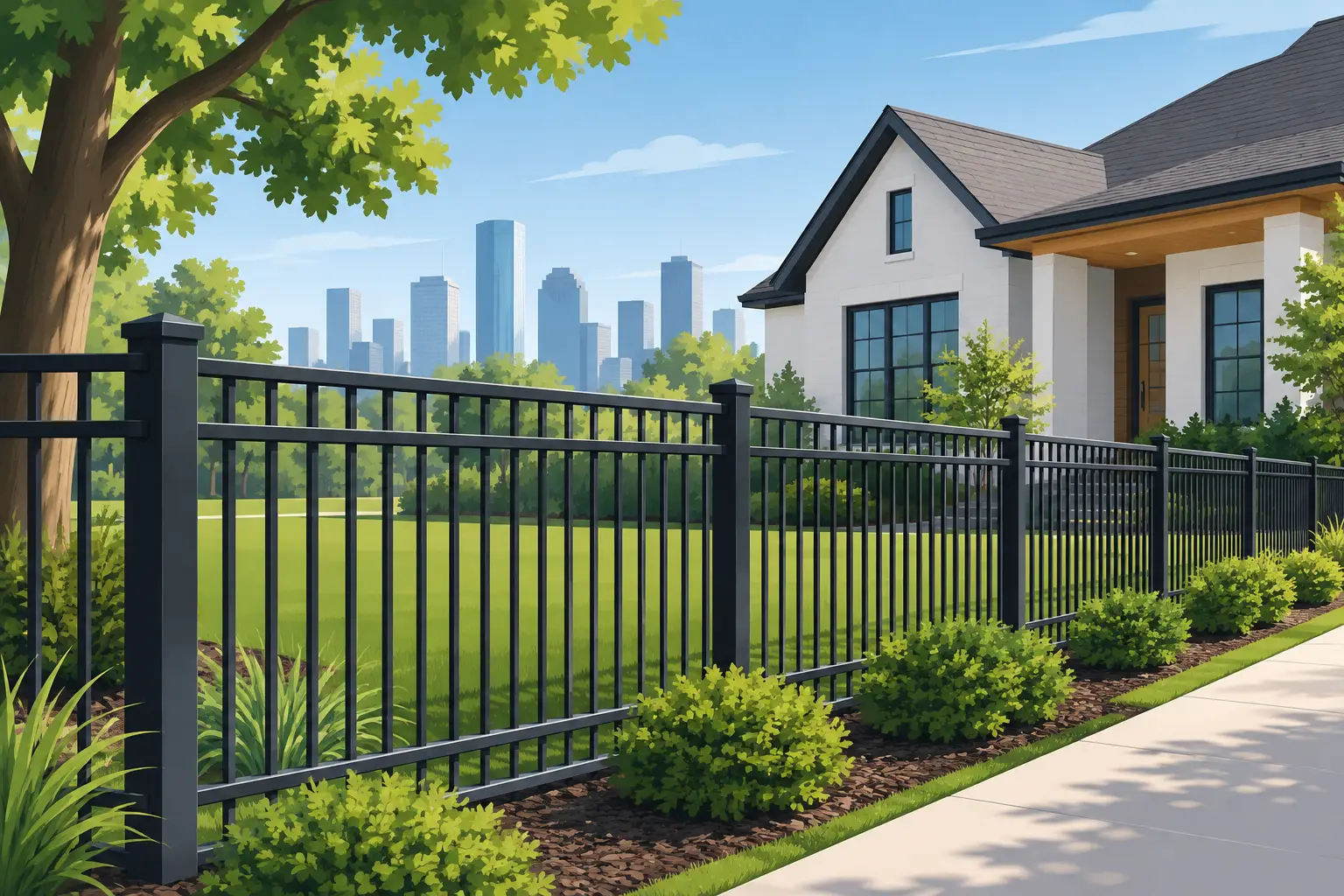
Metal fencing is a strong choice when visibility, durability, and a clean finished appearance matter more than complete privacy. Aluminum and ornamental metal fences are common around pools, front yards, driveways, commercial properties, rental communities, and properties with views worth keeping open.
Houston-area weather can be hard on exterior materials. Heat, humidity, heavy rain, wet ground, and seasonal storms all affect a fence over time. A quality metal fence is not maintenance-free, but it can avoid several common issues associated with aging wood, including rot, warping, and insect damage. The right material and installation approach can provide years of dependable service without making the property feel closed in.
That said, metal is not automatically the right answer for every yard. If complete backyard privacy is the main goal, cedar privacy fencing or board-on-board fencing may be a better fit. Many property owners choose a combination: ornamental metal at the front or along a water feature, with wood privacy fencing around the backyard.
Choosing the Right Metal Fence Houston Properties Need
The right fence starts with how the property is used. A homeowner may need a safe enclosure for children or pets. A business may need clear boundaries and a controlled access gate. A landlord may want a durable, professional-looking improvement that supports a clean rental turnover. Those needs point to different layouts, heights, gate styles, and materials.
Aluminum fencing
Aluminum fencing is a popular residential choice because it is lightweight, resistant to rust, and available in several styles. It works especially well around pools, landscaped yards, slopes, and areas where homeowners want an open look. Rackable panels can often follow gradual changes in grade more cleanly than rigid fence sections.
Aluminum is generally not the material to choose for high-impact security applications. It is durable for normal residential use, but a property that requires heavier-duty perimeter protection may be better served by ornamental steel or another commercial-grade solution.
Ornamental metal fencing
Ornamental metal fencing offers a more substantial appearance and is often chosen for entry areas, commercial properties, larger estates, and locations where security is a higher priority. The finished look can range from straightforward and modern to more decorative, depending on the rail and picket design.
A quality coating matters here. Chips, scratches, and areas where moisture is allowed to sit should be addressed before they turn into larger corrosion concerns. Proper post setting, secure panel connections, and good drainage around the fence line are just as important as the panels themselves.
Chain link and practical perimeter fencing
For some commercial, rental, storage, or utility areas, the main goal is defining a boundary at a practical price point. Chain link can be a sensible metal fencing option when visibility, containment, and function come before decorative curb appeal. Privacy slats or screening may be considered where more visual separation is needed, though they also change how wind moves through the fence.
Gates Are Where Good Fence Projects Are Won or Lost
A gate gets more use than any other part of a fence. It should be treated as a working component, not an afterthought. A pedestrian gate needs dependable hinges, a latch that lines up correctly, and enough clearance to operate after rainfall and normal ground movement. A driveway gate needs even more planning because the weight, opening direction, access needs, and daily traffic all affect the design.
Before choosing a gate, consider who will use it and how often. A narrow walk gate may work for taking out trash or accessing equipment, while a wider double gate can make room for mowers, trailers, service crews, or maintenance access. If a gate may eventually need an operator, intercom, or access control equipment, planning the layout early can prevent unnecessary changes later.
GottaCallMAC can help property owners look at the full fence line and gate use before work begins. That upfront conversation often prevents common frustrations, such as a gate swinging into a sloped driveway, a latch placed where it is difficult to reach, or an opening too small for the equipment that needs to pass through it.
Installation Details That Protect the Investment
A fence can be made from quality materials and still perform poorly if the installation is rushed. Houston-area soil can hold moisture, settle in certain areas, and shift after extended rain. Posts need the right depth and spacing for the fence design, while the layout should account for grade changes, drainage paths, landscaping, and existing structures.
Tree roots also deserve attention. Roots near a proposed fence line can make excavation difficult and may continue to affect the area as the tree grows. It is often worth addressing dead limbs, overgrowth, or problem trees before a new fence is installed instead of trying to work around them later. For properties that need both services, coordinating tree work and fencing can keep the project organized and reduce avoidable damage to new materials.
Drainage deserves the same common-sense approach. A fence should not block an established drainage path or sit where standing water repeatedly collects around the posts. Every property is different, so a site visit is the best way to identify conditions that could affect the finished result.
Repair or Replacement: Which One Is Worth It?
Metal fence repair can be the practical choice when damage is limited to a gate, a few panels, loose connections, a leaning post, or surface wear in a contained area. Repairing a functioning fence can extend its useful life and improve appearance without replacing an entire line.
Replacement becomes more reasonable when the fence has widespread corrosion, repeated post failure, multiple damaged sections, outdated gate hardware, or a layout that no longer meets the property’s needs. A property owner may also decide to replace a fence when remodeling an exterior, updating landscaping, improving curb appeal before a sale, or preparing a rental for new tenants.
The best choice depends on the fence’s overall condition, not just the most visible damaged spot. A straightforward estimate should explain what can be repaired, what may need replacement soon, and where spending more now could prevent repeat service calls later.
What Affects Metal Fence Pricing?
There is no honest one-size-fits-all price for a metal fence because every site has variables. Linear footage matters, but so do fence height, material grade, decorative details, the number and type of gates, slope, demolition of an existing fence, access to the work area, and conditions around trees or landscaping.
Commercial work can involve larger runs, heavier materials, and specialized gate requirements. Residential projects may have tighter access, established landscaping, or shared property lines that require careful layout. The lowest initial number is not always the best value if it leaves out important hardware, uses lighter materials than expected, or does not account for the real conditions on site.
A good estimate gives the property owner a clear picture of the proposed work and materials. Ask what type of metal is being used, how posts and gates will be installed, whether old fencing will be removed, and what options are available if privacy or access needs change. Clear answers early make the project easier from start to finish.
Simple Maintenance for a Better-Looking Fence
Most metal fences need far less routine care than wood, but they still benefit from occasional attention. Walk the fence line after major weather events and look for leaning posts, loose gate hardware, damaged coating, shifted panels, or debris collecting at the base. Keep vines and thick vegetation from wrapping tightly around the fence, since trapped moisture can make inspection and cleaning harder.
Clean dirt and pollen as needed with mild soap and water, following the material manufacturer’s care recommendations. If the finish becomes scratched or chipped, addressing that area promptly can help protect the underlying metal. Gates should be checked regularly for smooth movement and proper latch alignment, especially after periods of heavy rain or frequent use.
Get a Fence Plan That Fits Your Property
A well-planned metal fence should improve the way a property works every day, whether that means securing a business entrance, creating a pet-friendly yard, defining a rental boundary, or finishing a larger exterior improvement. The right choice is not about picking the most expensive material. It is about choosing a fence, gate, and installation plan that fits the site and holds up to real use.
For a free estimate on metal fencing, gates, repairs, wood privacy fencing, or related property improvements in Greater Houston, contact GottaCallMAC at 936-290-3502 or visit www.gottacallmac.com. A clear plan now can save time, prevent avoidable repairs, and give your property a finished look that lasts.
