
 Roofing Services
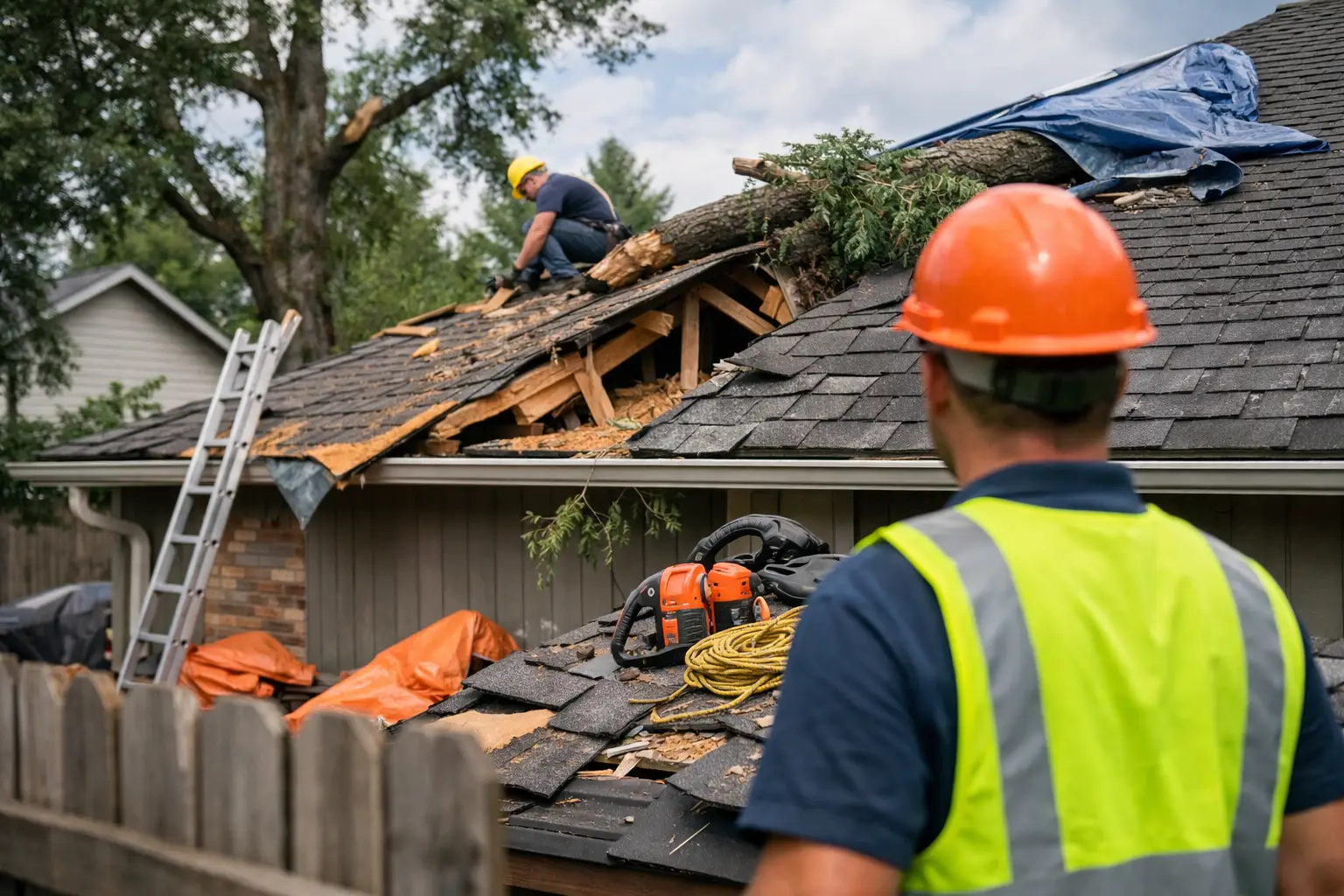
A hard Houston storm can leave more than a messy yard behind. A fallen limb can pull down a fence line, wind can tear gates off their hinges, and water can find its way through damaged siding, broken windows, or exposed exterior areas. The right Houston storm damage repair plan starts with protecting people, preventing further damage, and getting dependable help before small problems become expensive repairs.
Storm recovery does not have to mean calling a different company for every issue. Whether you are dealing with a damaged fence, hazardous tree limbs, soaked drywall, debris, or exterior repairs, the order in which work is handled matters.
Start With Safety and a Quick Property Check
Before moving debris or starting cleanup, look for immediate hazards. Stay clear of downed power lines, leaning trees, hanging limbs, unstable fences, and standing water near electrical equipment. If there is an active safety concern, contact the appropriate emergency service or utility provider first.
Once the area is safe to approach, walk the property carefully and take photos or videos of visible damage. Capture wide shots that show the full area, then close-up images of broken materials, water staining, damaged landscaping, gates, fences, and fallen trees. This documentation can help with insurance communication and gives your contractor a clearer picture of what happened.
Do not climb ladders, walk on unstable surfaces, or try to cut large branches yourself. A limb that looks manageable from the ground may be under tension, tangled in a fence, or resting against a structure. Storm cleanup often creates risks that are not obvious until something shifts.
Protect What You Can Without Creating More Risk
Simple temporary steps can limit additional damage while you wait for repairs. Move furniture and stored belongings away from wet walls. Place containers beneath active drips if it is safe to do so. Keep pets and children away from damaged fence sections and debris piles.
If a gate no longer latches, secure the area as best you can until it can be repaired. This is especially important for families with dogs, pools, or outdoor equipment. Temporary measures are not a substitute for a professional repair, but they can help protect your property in the meantime.
Common Houston Storm Damage Repair Needs
Houston-area weather can bring heavy rain, high winds, lightning, and saturated ground. That combination causes different types of property damage, often at the same time. A fence may lean because its posts are loose in wet soil, while a nearby tree has dropped limbs across the yard. Water may enter through damaged exterior materials and lead to swelling, staining, or soft drywall indoors.
Fence damage is one of the most common problems after strong wind. Cedar and pine panels can crack, posts can shift, and gates can sag when hinges or framing take a hard hit. Metal and aluminum fencing may hold up well in some storms, but bent sections, loose anchors, and damaged gates still need prompt attention. The right repair depends on whether the structure can be reset and reinforced or whether damaged sections should be replaced.
Trees are another major concern. Broken branches can block driveways, damage fencing, threaten vehicles, and create a hazard over walkways. Wet ground can also weaken root systems, leaving trees leaning after the storm has passed. Tree trimming, removal, and debris hauling should be handled with the right equipment and a careful plan for the surrounding property.
Inside the home or commercial building, water intrusion can affect drywall, flooring, trim, paint, and insulation. Fast drying and proper repairs are important. Simply painting over a water stain or covering a soft area can hide the problem without addressing the damaged material underneath.
Put Repairs in the Right Order
The fastest repair is not always the first repair to make. Good storm restoration begins by stopping hazards and preventing the damage from spreading. From there, the work can move into cleanup, structural repairs, and finishing details.
Remove Hazards and Clear Access
Fallen limbs, loose fencing, scattered debris, and blocked driveways should be addressed early. Clearing access helps make the rest of the repair work safer and easier. It also lets a contractor inspect the full extent of damage instead of working around piles of branches and broken materials.
For property managers and commercial owners, access matters even more. A damaged gate, blocked entrance, or unsafe walkway can disrupt tenants, deliveries, customers, and daily operations. Quick action helps reduce liability and keeps the site under control.
Stop Water From Reaching More Materials
If water has entered a structure, the goal is to keep it from moving deeper into walls, flooring, or stored belongings. Remove wet items when possible, improve airflow, and have damaged materials evaluated. Depending on the source and duration of the water exposure, some drywall, insulation, flooring, or trim may need to be removed and replaced rather than dried in place.
This is where cutting corners can cost more later. Moisture trapped behind finished surfaces can lead to odors, deterioration, and recurring stains. A proper repair should address the damaged area, not just make it look better from the outside.
Repair Fences, Gates, Siding, and Interior Finishes
Once urgent hazards and water concerns are under control, repair work can move forward. Fence posts may need resetting, damaged panels may need replacement, and gates may need new framing or hardware to operate correctly. Exterior repairs can include siding and trim, while interior restoration may involve drywall, flooring, texture, and painting.
Matching existing materials is often possible, but it depends on the age, color, and condition of what is already in place. For example, a new cedar fence panel may look lighter than an older fence at first. Homeowners should expect natural materials to weather over time, while a full replacement may be the better long-term choice if several sections are failing.
When to Call a Professional Right Away
Some storm damage should not wait for a convenient weekend. Call for professional help promptly when a tree is leaning toward a structure, large limbs are hanging overhead, a fence is down around pets or a pool, water is actively entering the building, or damaged materials are creating an unsafe entrance or walkway.
It is also smart to get an inspection when the damage looks minor but the area has taken a direct hit. Fence posts can loosen below ground without an obvious lean at first. Moisture can travel behind drywall before a stain appears. A gate may still close today but fail after repeated use because its frame was twisted during the storm.
For homes and commercial properties across Houston, Spring, The Woodlands, Conroe, and nearby communities, a local contractor can assess several issues during one visit. That saves time and helps ensure that repairs are completed in a sensible order.
Work With Your Insurance Process, Not Against It
If you plan to file a claim, document damage before major cleanup when it is safe to do so. Keep photos, videos, receipts, and notes about the date of the storm and the steps you took to prevent additional loss. Save damaged materials if your insurer asks to inspect them, unless leaving them in place creates a safety problem.
An insurance adjuster and a contractor serve different roles. The adjuster evaluates the claim based on the policy, while the contractor evaluates the scope of work needed to restore the property. Ask questions when an estimate is unclear, and make sure any repair plan identifies what is being removed, repaired, replaced, and finished.
Price matters, but the lowest number is not always the best value if it leaves out cleanup, proper materials, hauling, or necessary repairs behind the visible damage. A detailed, straightforward estimate gives you a better basis for comparing bids.
One Call Can Handle More of the Recovery
Storm damage rarely stays in one lane. You may need tree work, fence repair, debris removal, drywall replacement, flooring repairs, siding work, and painting. Coordinating separate crews can slow the process and make it harder to keep the project on schedule.
Gotta Call Mac provides practical, full-service help for property owners who want one reliable team to manage storm cleanup and repairs. Licensed, bonded, and insured service, free estimates, fair pricing, and dependable craftsmanship make a real difference when your property needs attention fast.
After the storm, focus on safety first, document what happened, and do not wait for visible damage to grow. A clear repair plan today can protect your home, business, and peace of mind long after the skies clear.
