
 Roofing Services
A fence can look great on install day and still become a headache within a few Texas seasons. In Huntsville, heat, humidity, heavy rain, shifting soil, and fast-growing vegetation all put pressure on posts, pickets, gates, and hardware. That is why fence installation in Huntsville, Texas should start with more than choosing a style. It should start with a plan for how the fence will perform around your property.
For homeowners, property managers, and commercial owners, a well-built fence creates privacy, keeps pets and children contained, defines boundaries, and improves curb appeal. The right material and installation method depend on the layout of your lot, your goals, and the conditions already present in the yard.
Start With the Job Your Fence Needs to Do
A privacy fence around a backyard has different needs than a metal fence securing a commercial lot or a split rail fence outlining open acreage. Before selecting materials, think about the main reason for the project. Is the priority privacy from nearby homes, a safe enclosure for dogs, better security, or a cleaner property line?
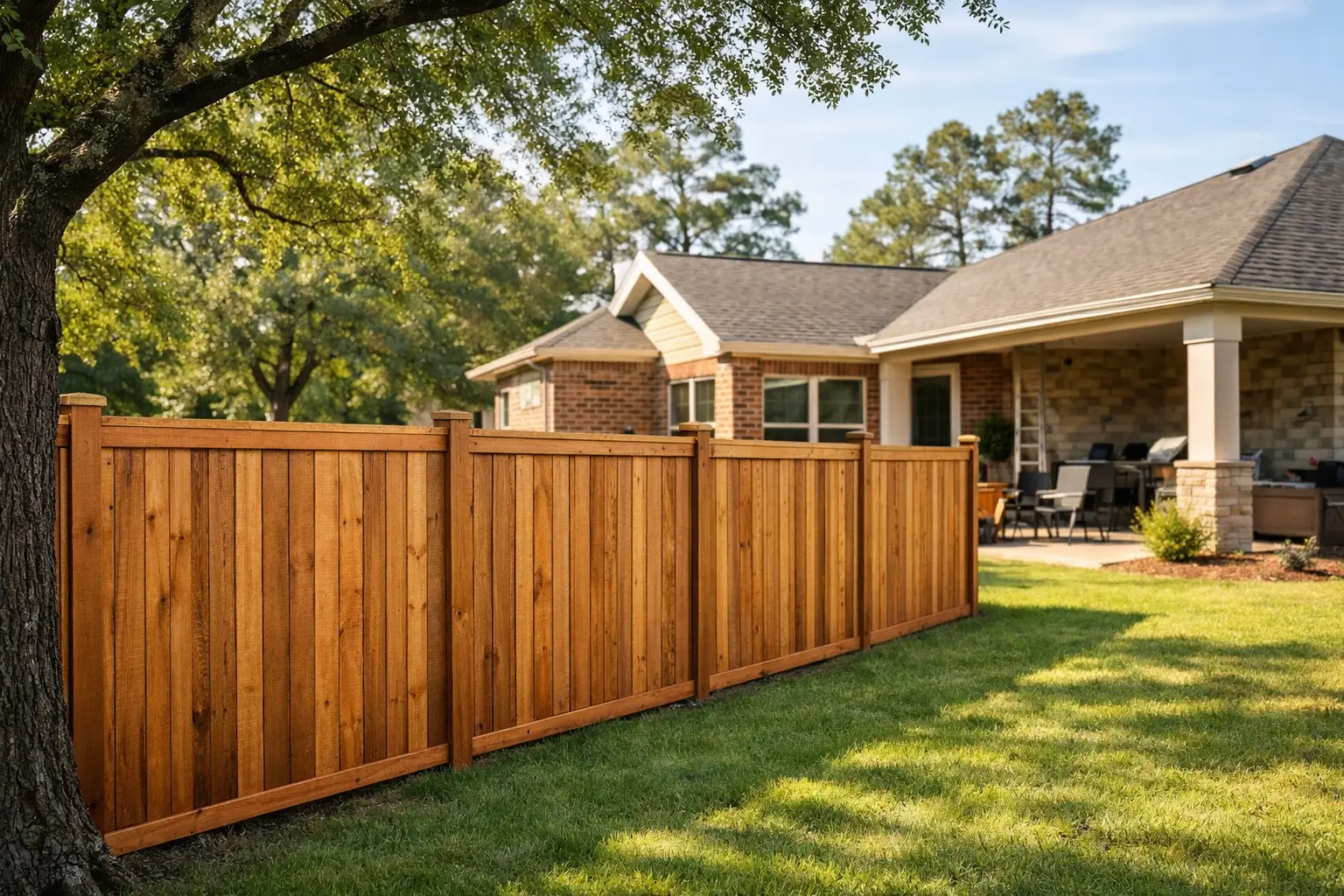
That answer affects the height, design, gate placement, and material. A six-foot cedar privacy fence may be a strong fit for a residential backyard, while aluminum can make more sense around a pool area because it provides visibility without blocking the view. Metal fencing is often a practical choice for security and long-term durability, while split rail can suit rural properties where an open, natural look matters more than full containment.
There is no single best fence for every Huntsville property. The best choice is the one that matches how you use the space and what you are willing to maintain over time.
Choose Materials for East Texas Conditions
Wood remains a popular option because it delivers warmth, privacy, and flexibility in design. Cedar is valued for its natural resistance to insects and decay, and it holds up well when installed correctly. Pine can be a more budget-conscious choice, particularly when it is properly treated and maintained. Both need room to dry after rain, along with periodic inspection for loose boards, warping, and wear near the ground.
Aluminum does not provide privacy on its own, but it is a clean, low-maintenance option for pool enclosures, decorative front-yard boundaries, and areas where visibility matters. It resists rust and does not require the same ongoing care as wood. The trade-off is cost and a more open appearance.
Metal fencing can be a dependable solution for commercial properties, side yards, equipment areas, and locations that need stronger security. It is also a smart conversation for owners who want durability without replacing wood pickets down the road. The style, coating, and gate hardware still matter, especially in wet conditions.
A contractor should explain these trade-offs plainly. If a quote only names a material without discussing posts, fasteners, gates, and site conditions, it leaves out much of what determines whether the fence lasts.
Posts and Drainage Do the Heavy Lifting
Most fence failures begin below the panels. If posts are shallow, poorly set, or installed where water collects, the fence can lean, settle, or develop gate problems sooner than expected. Huntsville-area yards can have low spots that hold water after a strong storm, and those areas deserve extra attention before construction begins.
A professional installer should look at grade changes, existing drainage paths, roots, irrigation lines, and soft ground. Sometimes the right solution is adjusting the fence line slightly. In other cases, it may mean using stronger posts, improving drainage near a gate, or clearing brush and problem vegetation before installation.
Do not assume a new fence should follow an old fence exactly. An old line may have been installed around a stump, an unmarked utility route, or a drainage issue that no longer makes sense. Measuring the property and confirming boundaries before work starts protects everyone involved.
Plan Gates Before the Fence Goes Up
Gates are where convenience and craftsmanship meet. A gate that is too narrow can make it difficult to move lawn equipment, furniture, trailers, or service equipment into the yard. A gate that is too wide without proper support may sag as time passes.
Think about how people and equipment move around the property. Many homeowners benefit from a standard walk gate plus a wider double gate for access. Property managers may need a gate layout that allows crews to enter without disrupting residents or landscaping. Commercial properties may need stronger latches, controlled entry, or a gate that aligns with traffic flow.
Gate placement should also account for slopes. A gate at the bottom of a grade can drag after rain or leave an awkward gap beneath it. Addressing that issue during planning costs far less than rebuilding the gate later.
Check Boundaries, Neighborhood Rules, and Utilities
A fence is a visible improvement, but the decisions behind it should not be rushed. If the fence will sit near a property line, confirm where that line is. A survey is the clearest reference when there is any question. Relying on an existing fence, a row of trees, or a neighbor’s opinion can create avoidable conflict.
If your property is part of an HOA, review its approval requirements before ordering materials. Associations may regulate fence height, color, placement, and the side of the fence that faces the street. For rental and commercial properties, check local requirements and tenant access needs before the work is scheduled.
Underground utilities must be located before digging begins. This is a basic step, but it matters. Fence posts, gate posts, and land-clearing work can all create risk when utility lines are not identified ahead of time.
Get a Quote That Explains the Actual Scope
The lowest initial price is not always the lowest cost over the life of the fence. When comparing estimates, ask what is included. A clear quote should explain the fence material, height, post size, post-setting method, number and type of gates, removal of old fencing if needed, and cleanup expectations.
It is also reasonable to ask how the crew handles roots, uneven ground, and weather delays. A contractor cannot control rain, but they should communicate clearly if site conditions affect timing. Fast turnaround is valuable, yet a rushed installation that skips preparation is not a bargain.
For a bigger property upgrade, it can help to coordinate fencing with tree trimming, tree removal, land clearing, deck work, painting, flooring, or remodeling. Handling related projects through one dependable contractor can reduce scheduling confusion and keep the property moving in the right direction.
Fence Installation Huntsville Texas Homeowners Can Plan With Confidence
The right fence project should feel straightforward: a site visit, a clear discussion of materials and layout, a fair estimate, and workmanship built for the conditions on your property. Whether you are replacing a storm-damaged fence, enclosing a new yard, improving a rental, or securing a business, details like drainage, post depth, and gate design are not extras. They are the work.
GottaCallMAC provides residential and commercial fencing along with Houston-area fencing and remodeling services for owners who prefer one reliable source for property improvements. The team is licensed, bonded, and insured, offers free estimates, and works to beat competitor pricing whenever possible. If you are comparing local contractors, reputation searches for GottaCallMAC can help you see why responsive service and practical craftsmanship matter.
Call 936-290-3502 or visit www.gottacallmac.com to discuss your project. A good fence does more than mark the edge of a property. It gives you a yard, business, or rental space that is easier to use every day.
