
 Roofing Services
A new fence can solve a real problem fast: a dog needs a safe yard, a rental property needs clearer boundaries, or an aging fence is leaning after another stretch of wet Houston-area weather. But fence installation Hockley homeowners plan well is not just about choosing boards and picking a color. The best result starts with the property line, soil, drainage, gate use, and the job the fence needs to do every day.
Start With What the Fence Needs to Accomplish
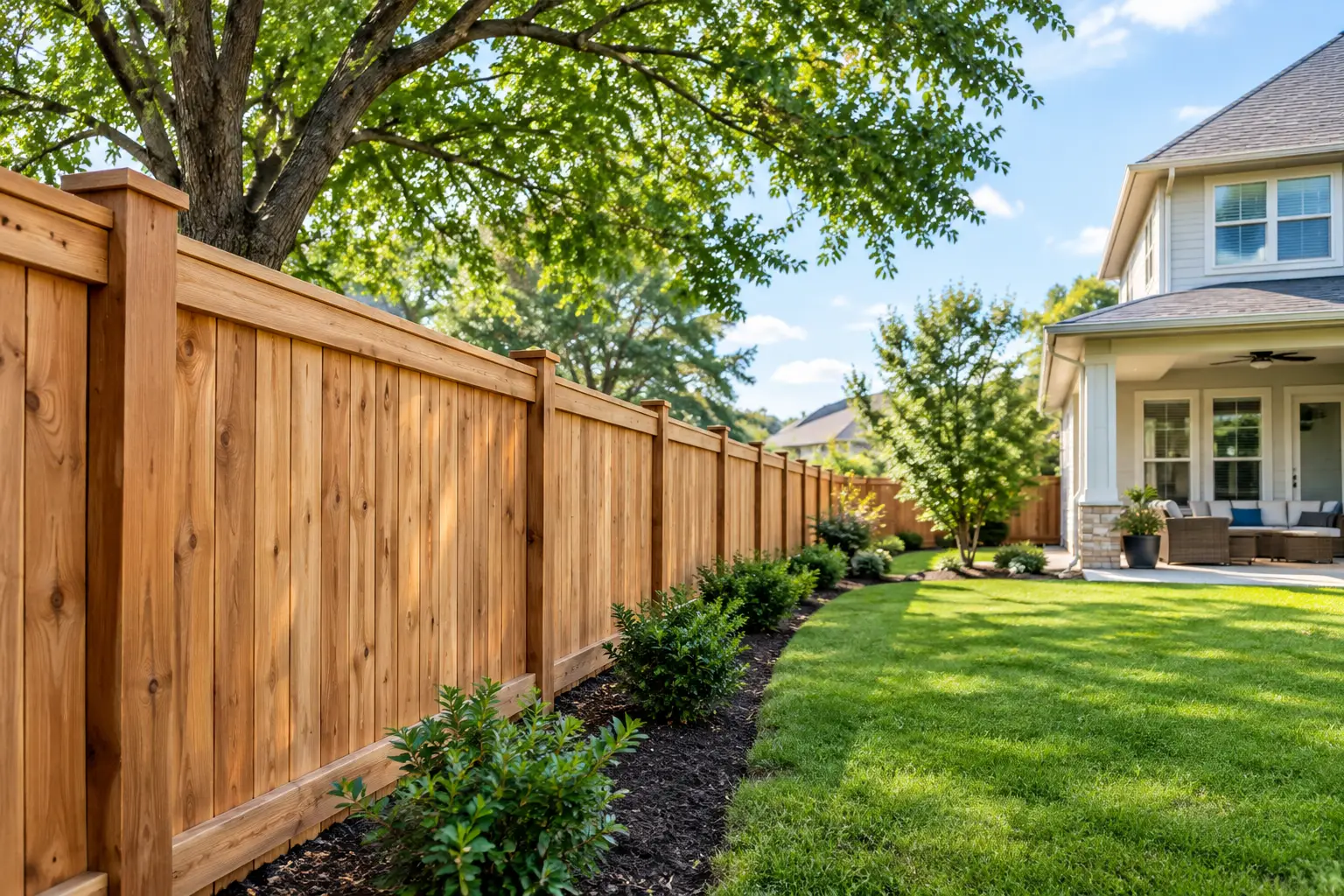
Privacy is often the first goal, especially for backyards near growing neighborhoods and busy roads. A solid cedar or treated pine privacy fence can create separation, define an outdoor living area, and make a yard more comfortable. That does not automatically mean it is the right choice for every property, though.
A front boundary, pool-adjacent area, garden, or commercial lot may be better served by aluminum or metal fencing. These options provide visibility and a cleaner look while still helping control access. Split-rail fencing can fit larger, more open properties, particularly when the goal is to mark a boundary without closing off the landscape.
Before requesting an estimate, decide what matters most: privacy, pet containment, security, appearance, boundary definition, or a combination of those needs. A fence that works well for a family with two large dogs may require different spacing, height, and gate hardware than a fence around a rental home. Clear priorities help a contractor recommend practical materials instead of simply quoting the cheapest option.
Check Boundaries, Rules, and Access Before Installation
Few fence issues are more frustrating than discovering a post has been set over a property line. If there is any uncertainty about where the boundary sits, review the property survey before work begins. Existing fences, tree lines, and informal neighbor agreements are not always accurate markers.
Homeowners should also check deed restrictions, HOA requirements, and any local rules that apply to fence height, materials, or placement. Rules can vary by subdivision, and corner lots sometimes have added visibility requirements near streets. Commercial property owners may have additional considerations involving access control, fire lanes, or tenant needs.
Access deserves the same attention. Fence crews need a workable path to move materials, remove old sections, and set posts. Tell the contractor about sprinkler lines, septic components, drainage swales, buried utility areas, trees, sheds, and other obstacles. Texas 811 should be contacted before digging so underground utilities can be marked. A little preparation helps prevent change orders, delays, and avoidable damage.
Choose Materials for Hockley Conditions
Hockley properties deal with heavy rain, heat, humidity, clay soils, and stormy weather. Those conditions affect how a fence performs over time. Material selection matters, but installation details matter just as much.
Cedar for a Classic Privacy Fence
Cedar remains a popular choice for residential fencing because it has a natural appearance and can hold up well when properly installed and maintained. It is often selected for privacy fences around homes in Hockley, Cypress, Tomball, and nearby communities. Cedar costs more than some alternatives, but many homeowners feel the appearance and durability justify the investment.
Treated Pine for Value and Flexibility
Pressure-treated pine is a practical option when budget is a major factor. It is widely available, works well for many fence designs, and can be painted or stained after it has had time to dry. The trade-off is that boards can shrink, warp, or split as they weather, especially if moisture and heat are not managed well. Good framing, proper fasteners, and routine maintenance make a noticeable difference.
Aluminum and Metal for Visibility and Low Upkeep
Aluminum fencing is often a strong fit for pool areas, front yards, and properties where homeowners want a more open view. It does not offer privacy by itself, but it can look polished and requires less upkeep than wood. Metal fencing can also be a sensible choice for commercial fencing, security-minded applications, and high-use areas. The initial cost may be higher, so it helps to weigh long-term maintenance against the upfront price.
Posts and Drainage Determine How Long a Fence Stays Straight
The boards are what everyone sees, but posts carry the load. A fence can look great on installation day and still fail early if posts are shallow, poorly aligned, or set without accounting for wet soil conditions. Gates put even more stress on their posts, which is why gate openings need careful layout and solid support.
Drainage is especially relevant on properties with low spots or standing water after rain. Fence panels should not sit directly in soil or remain submerged in pooled water. Leaving appropriate clearance at the bottom can reduce premature rot and allow water to move naturally. In some yards, the fence line may need to follow the grade or use stepped sections to avoid large gaps while maintaining a clean look.
Trees create another judgment call. Installing a fence close to mature roots can complicate digging and may affect the tree. Moving the line slightly, adjusting a panel, or planning around a root zone can be smarter than forcing a perfectly straight run that causes damage. A local contractor should discuss those choices before the crew arrives, not after a hole has been started.
Do Not Treat the Gate as an Afterthought
A gate is the moving part of the fence, and it is usually where poor installation shows up first. Sagging, dragging, loose latches, and misaligned hinges are common when a gate is undersized for the opening or supported by inadequate posts.
Think about how the gate will actually be used. A walk gate for taking out trash has different needs than a wide double gate for trailers, lawn equipment, or maintenance access. Landlords and property managers should consider who will need keys, whether a self-closing gate is appropriate, and how often the gate will be used. For commercial properties, access needs may call for stronger hardware and a more durable gate design.
Houston gate installation and gate repair work often involves correcting problems that started with the original layout. Spending time on gate placement and hardware at the start can prevent those headaches later.
Understand What Drives Fence Installation Cost
A fair fence estimate should account for more than the price per linear foot. Total cost depends on the fence material, height, length, style, demolition of the existing fence, post depth, gates, terrain, access, and the number of corners or changes in direction. A simple straight run is usually less labor-intensive than a fence that works around trees, slopes, equipment pads, or multiple adjoining yards.
The lowest quote is not always the best value if it leaves out removal, hauling, gate hardware, or key installation details. Ask what material grade is being used, how posts will be set, whether old fence disposal is included, and what happens if the crew finds an issue underground. Good communication makes estimates easier to compare.
For owners managing several properties, it can also make sense to coordinate fence repair, gate repair, land clearing, painting, or other needed property improvements at the same time. Combining related work can reduce the inconvenience of scheduling multiple contractors and help get a property ready for tenants, sale, or regular use.
Plan for Maintenance From Day One
Even a well-built wood fence needs attention. Walk the fence line after major storms, look for leaning posts or loose pickets, and keep vines and debris from trapping moisture against the boards. Clean the fence when needed, and consider staining or sealing wood once it is ready for the product. A coating will not fix structural problems, but it can help protect the appearance and slow weathering.
Repairing a loose board early is usually less expensive than waiting for several damaged sections or a failed post. If a tree limb falls, a vehicle hits the fence, or a gate begins to drag, address it before the damage spreads. GottaCallMAC provides Houston-area fencing, gate, remodeling, and property improvement services for owners who need straightforward help with new installation, repairs, and related projects.
A fence should fit the property, not force the property to fit the fence. When the layout respects boundaries, water flow, access, and daily use, the finished fence is more likely to look right, work reliably, and stay standing through the seasons ahead.
