
 Roofing Services
8 Best Fence Stain Colors for Texas Homes
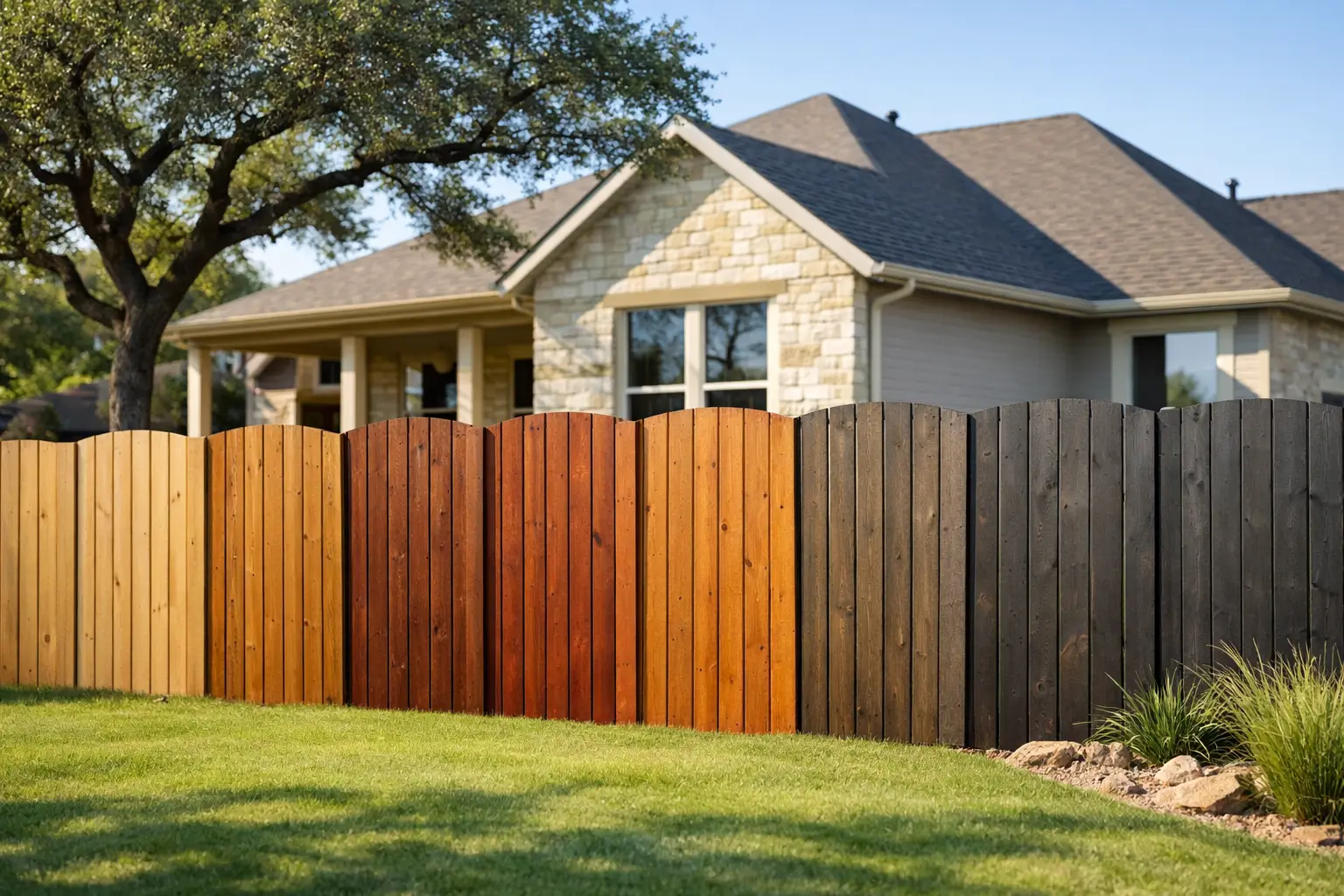
A fence can make your whole property look sharper – or make it look tired faster than you expected. Around Houston-area neighborhoods, where heat, humidity, rain, and strong sun all take turns beating up exterior wood, picking the best fence stain colors is not just about style. It affects how clean your fence looks over time, how much maintenance you will deal with, and how well the wood ages.
The right stain color should do three jobs at once. It should fit your home, hold up well in Texas conditions, and make everyday dirt, pollen, and weathering less obvious. That is why the best choice is not always the darkest stain or the trendiest one. It depends on your wood type, your lot, and how much upkeep you want.
How to choose the best fence stain colors
Most homeowners start with appearance, and that makes sense. You want your fence to complement your brick, siding, stone, landscaping, and even nearby decks or gates. But color choice is also practical.
Lighter stains usually show less heat buildup and can keep a fence from looking overly harsh in full sun. The trade-off is that very light finishes may show mud splash, algae, and uneven aging sooner, especially in damp or shaded areas. Darker stains often look rich and high-end, but they absorb more heat and may fade more noticeably on the sunniest sides of the yard.
Transparency matters too. A semi-transparent stain lets the wood grain show through and gives a natural look that works especially well on cedar. A more solid stain gives stronger color coverage and can help hide color variations, repairs, and older boards. If your fence is brand new and the wood has attractive grain, many property owners prefer a natural-looking stain. If the fence is older or patched, stronger coverage often gives a cleaner final result.
Best fence stain colors that work in real life
There is no single perfect color for every yard, but a few shades consistently perform well and look right on a wide range of homes.
Cedar tone
Cedar tone remains one of the safest and most popular choices for a reason. It warms up the fence without looking too orange, and it complements red brick, tan stone, cream siding, and most landscaping styles. On actual cedar, it enhances what people already like about the wood. On pine, it can give a more upgraded, natural appearance.
It is also forgiving. Cedar tone tends to fade more naturally than some darker colors, so touch-ups and maintenance coats usually blend well over time.
Honey gold
Honey gold gives a lighter, brighter finish that can make a backyard feel more open. This color works well when you want a fresh wood appearance without going too pale. It is a good fit for newer homes, lighter exterior palettes, and outdoor spaces where you want the fence to feel clean and welcoming.
The downside is maintenance visibility. In shaded yards or areas with a lot of moisture, lighter golden stains may show mildew or splash marks faster than medium browns.
Redwood
Redwood stain brings more warmth and a bit more color depth. It can look especially good against beige, off-white, and warm gray exteriors. If you want your fence to stand out as a feature instead of fading into the background, redwood often strikes that balance.
That said, some red-toned stains can lean too bright if they are not selected carefully. On certain homes, especially with cooler paint colors, they can feel out of place. Testing the shade before staining the full fence is worth it.
Chestnut brown
Chestnut brown is one of the most dependable middle-ground colors. It has enough depth to hide dirt better than lighter stains, but it still shows some warmth and wood character. For many Texas properties, this is the practical choice when owners want a stained fence that looks clean year-round without going too dark.
It also tends to pair well with both traditional and newer homes. If you are selling a property or improving a rental, chestnut brown is a strong low-risk option.
Walnut
Walnut gives a deeper brown finish with a more upscale look. It works especially well on larger properties, black metal accents, modern farmhouse styles, and homes with darker trim. Walnut can make a fence look more substantial and polished.
The trade-off is sun exposure. In open yards with intense afternoon sun, walnut may show fading more clearly over time than medium stains do. Proper prep and a quality product matter here.
Dark brown
Dark brown has a bold, finished look that many homeowners like for privacy fences. It can create strong contrast against green lawns and lighter home exteriors. On commercial properties or upscale residential settings, it often reads clean and intentional.
Still, it is not right for every lot. In smaller yards, very dark fences can feel heavy. They also show weathering differently, especially if one side gets much more direct sun than the other.
Rustic brown
Rustic brown is a good choice when you want a natural, weather-friendly color that does not feel too red or too dark. It usually has a more muted tone, which helps it blend into the landscape. This is a smart option for split rail fences, larger perimeter fences, and homes with a more relaxed or traditional exterior style.
It may not have the dramatic impact of darker stains, but that is part of its appeal. It ages quietly and tends to stay visually balanced.
Gray-toned stain
Gray-toned stains have become more popular, especially on modern homes. A soft driftwood or weathered gray can look sharp with white, black, or charcoal exteriors. It also creates a cooler, more contemporary look than the usual browns and reds.
This is where caution matters. Gray stains can look excellent when done right, but the wrong shade can make a fence appear aged before its time. They are more style-specific than cedar tone or chestnut, so they are not always the safest pick for every property.
Matching stain color to your home and yard
The best stain color usually comes from what is already on the property. Red brick homes often look best with cedar tone, chestnut, rustic brown, or walnut. Homes with white or light siding can handle stronger contrast, so dark brown, walnut, and some gray stains may all work well.
If your yard has a lot of trees and shade, medium to darker stains often stay looking cleaner between maintenance cycles. If the fence gets heavy direct sunlight most of the day, very dark colors may not be the best long-term fit. For homes with outdoor entertaining areas, it also helps to think about the fence in relation to the deck, patio, pergola, or gate. The fence should feel connected, not like a separate project.
What works best on cedar vs. pine
Cedar and pine do not take stain exactly the same way, and that matters when choosing from the best fence stain colors.
Cedar already has character, so semi-transparent cedar tone, honey gold, redwood, and chestnut often look excellent because they enhance what is there. Pine is more likely to benefit from stains that add warmth and even out the overall look. Cedar-tone and medium browns are usually reliable on pine because they help create a richer finish without looking artificial.
If your fence includes mixed boards or repairs, a more pigmented stain can help hide those differences. If the boards are all new and consistent, a more transparent finish can show off the natural grain better.
Don’t choose color without thinking about maintenance
A stain color can look great on day one and become a frustration later if it does not suit your maintenance expectations. Some homeowners want that fresh, warm wood look and do not mind restaining on schedule. Others want the fence to stay presentable with less frequent upkeep.
That is why practical performance matters just as much as curb appeal. Medium browns, cedar tones, and muted rustic shades tend to be the easiest long-term choices for many homes. They hide dust, pollen, and gradual fading better than the lightest or darkest options.
It also helps to remember that stain samples often look different outdoors than they do on a brochure or inside a store. Sunlight, wood species, age of the fence, and even nearby landscaping can shift how the final color reads.
The smartest way to pick a fence stain color
If you are stuck between two or three shades, test them on the actual fence in a few different spots. Look at them in morning light, afternoon light, and shade. That simple step prevents a lot of regret.
For most homeowners, the safest winners are cedar tone, chestnut brown, rustic brown, and walnut because they balance appearance, versatility, and day-to-day practicality. If you want something brighter, honey gold can look great. If you want something bolder, dark brown or a carefully chosen gray may be the better fit. The best result is the one that works with your home and still looks good after Texas weather has had its say.
If your fence is too valuable to guess on, getting a professional opinion before staining is money well spent. A good color choice should make your property look better now and save you from redoing the job sooner than necessary.
