
 Commercial Remodeling
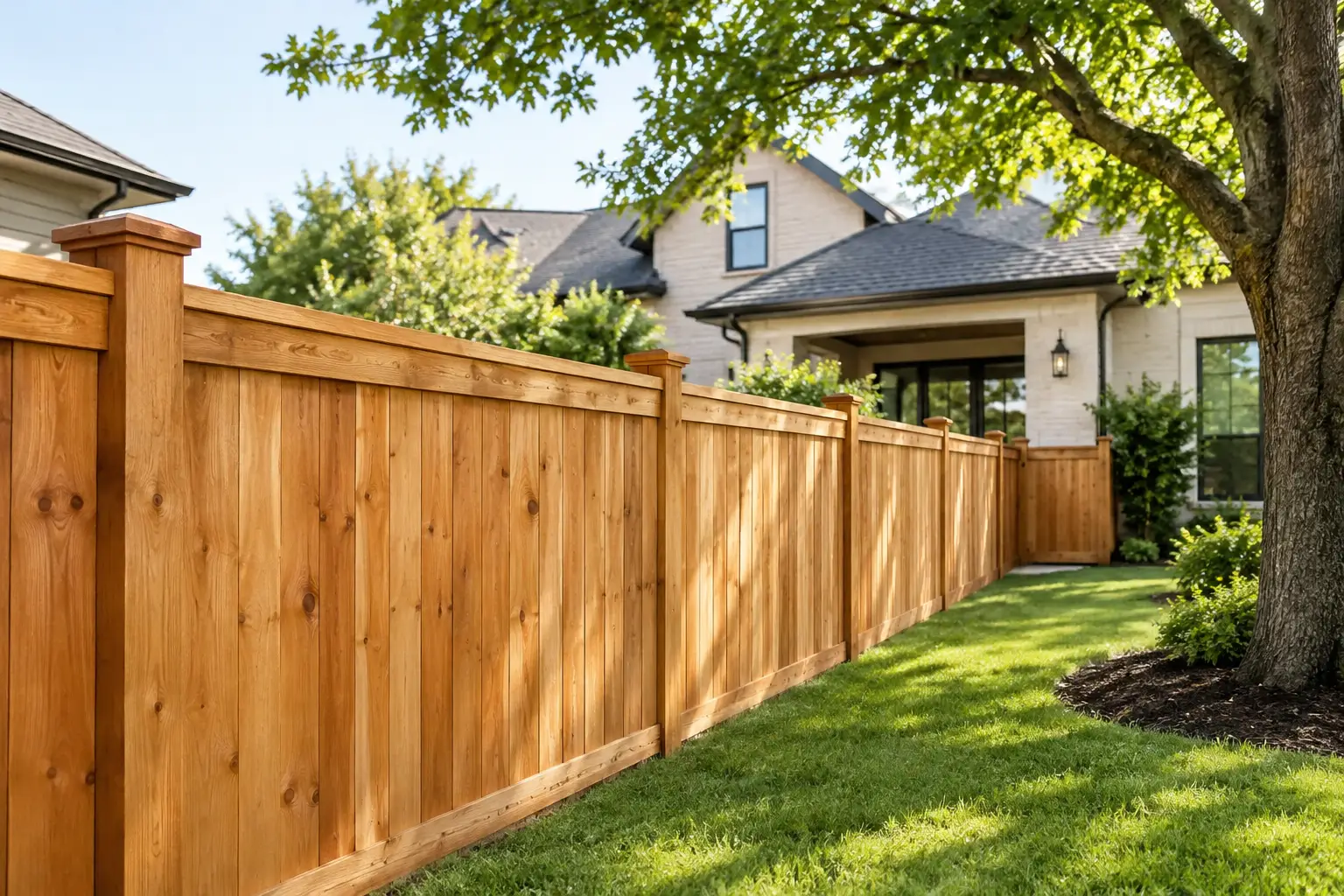
A cedar fence can make a Houston property feel more private, secure, and finished, but the price is not one-size-fits-all. When people ask about cedar fence cost in Houston: what homeowners should know, the honest answer starts with the fence style, linear footage, site conditions, gate needs, and material quality. At GottaCallMAC, we help property owners look at the full scope before work begins, so there are fewer surprises once the project is underway.
For many homes in The Woodlands, Spring, Conroe, Tomball, Cypress, Humble, and surrounding areas, cedar remains a popular choice because it has a clean natural appearance and holds up well when it is built correctly. It is also a more premium material than basic treated pine, which affects the budget from the start.
What Does a Cedar Fence Cost in Houston?
Most cedar privacy fence projects in the Greater Houston area are priced by the linear foot. A straightforward cedar fence installation may fall around $25 to $45 or more per linear foot, depending on the design and job conditions. That general range is useful for early planning, but it is not a substitute for an on-site estimate.
For example, a shorter backyard run with level ground, easy access, and no gates will generally cost less per foot than a long fence line with several corners, old posts to remove, thick roots, drainage concerns, or a custom gate. A board-on-board cedar fence, top cap, trim boards, steel posts, and upgraded hardware can also move the price higher.
Homeowners should be careful with quotes that only provide one low number without explaining what is included. A dependable estimate should identify the material type, fence height, style, post option, demolition or haul-off needs, gates, and any known site challenges. Fair pricing starts with a clear scope of work.
The Biggest Factors Behind Cedar Fence Pricing
Fence height and total footage
A standard 6-foot privacy fence is common across Houston-area neighborhoods. An 8-foot fence generally requires more material, longer posts, and more labor, so the installed price will be higher. The total linear footage matters too, but a small project can sometimes carry a higher per-foot cost because setup, delivery, and crew time are spread across fewer feet.
Corners, returns, transitions, and changes in height also add labor. A fence that runs in one long, straight line is simpler to build than one that moves around landscaping, pools, structures, or uneven lot lines.
Cedar grade and fence design
Not all cedar boards are the same. Board thickness, board width, knot content, and overall appearance can vary. A basic side-by-side cedar privacy fence is typically the most budget-friendly cedar design. Board-on-board fencing uses overlapping boards to provide better privacy as wood naturally expands and contracts. It uses more lumber and labor, but many homeowners like the finished look and added coverage.
Details such as a top cap, trim, decorative lattice, picture-frame sections, or a rot board can improve appearance and function. A rot board creates separation between pickets and soil, which can be helpful in wet conditions or areas where mulch and landscaping hold moisture against the fence. These upgrades are worthwhile for some properties, but they should be selected based on the home’s needs and budget rather than added automatically.
Posts and how the fence is supported
Posts are one of the most important parts of any fence. Cedar pickets may be what everyone sees, but the posts carry the structure through wind, rain, shifting soil, and years of gate use. Wood posts are common, while steel posts can be a practical upgrade for homeowners who want added strength and a cleaner long-term solution.
The right choice depends on the design, exposure, soil conditions, and budget. Houston’s heavy rains and periods of saturated ground can be tough on any outdoor structure, especially when drainage is poor. A quality installation focuses on proper layout, stable posts, solid framing, and gates that are built to operate correctly.
Removal of the old fence
Replacing an existing fence often includes more than installing new materials. Old pickets, rails, posts, concrete, nails, and debris must be removed and hauled away. A fence that has fallen into brush, vines, or tree roots may take additional labor to clear safely and efficiently.
If trees or limbs are pressing into the fence line, it can make sense to address that work before the new fence is installed. GottaCallMAC can help property owners coordinate practical improvements such as tree trimming, brush clearing, fence replacement, and gate repairs without having to chase down multiple contractors for every part of the job.
Gates are not an afterthought
A gate is often where a fence gets the most daily use. It needs strong framing, dependable hinges, proper latching, and support that keeps it from sagging. A single walk gate adds to the project price, while wider double gates for lawn equipment, trailers, or vehicle access require more materials and careful construction.
If a gate opening is wider than standard, or if it needs to work around a driveway slope, utility access, or tight side yard, the estimate should account for that early. Saving money on a poorly built gate usually becomes expensive when it starts dragging, sticking, or pulling on the posts.
Cedar vs. Treated Pine: Is Cedar Worth the Extra Cost?
Cedar usually costs more than treated pine, so the decision comes down to priorities. Homeowners often choose cedar for its natural color, grain, and finished appearance. It can be an especially good fit for front-facing side yards, backyard entertaining areas, and properties where curb appeal matters.
Treated pine can be a practical alternative when budget is the primary concern. It is widely used for privacy fencing and can provide a solid result when installed with quality materials and good workmanship. Some owners choose treated pine for rental properties or large perimeter projects, while others invest in cedar where appearance is the priority.
There is no single right answer. The better question is which material makes sense for the property, the expected use, and the budget available. An experienced contractor should explain the trade-offs plainly, not push a material that does not fit the job.
Houston Conditions That Can Affect Your Fence Budget
Houston-area weather has a way of finding weak points. High humidity, intense sun, strong storms, and wet ground can all affect a wood fence over time. Proper drainage and spacing matter, especially along low-lying areas where water collects after heavy rain.
Access can also affect cost. Narrow side yards, dense landscaping, retaining edges, sheds, old concrete, and underground obstacles may require additional labor. If the crew cannot bring materials close to the work area, installation takes longer. These are not always obvious from a satellite image or a quick phone conversation, which is why an in-person review is valuable.
Property lines deserve attention as well. Before construction, homeowners should be comfortable with the intended fence location and discuss any shared fence plans with neighboring owners when appropriate. A contractor can build the agreed fence scope, but clear planning before installation helps prevent avoidable changes later.
How to Compare Cedar Fence Estimates
The lowest quote is not always the lowest cost over time. When comparing estimates, make sure each contractor is pricing a similar fence. One proposal may include cedar pickets but use lighter framing, fewer rails, smaller posts, or limited gate hardware. Another may include removal and haul-off while the lower number does not.
Ask what type of cedar is being used, how many rails are included, whether posts are wood or steel, how gates will be framed, and whether old fence disposal is included. Also ask how the contractor handles site conditions that were not visible during the first visit. Clear communication matters as much as the written number.
GottaCallMAC provides straightforward, free estimates for cedar fence installation, replacement, repairs, privacy fences, board-on-board designs, and gates. We focus on practical recommendations, quality materials, and workmanship that fits the property instead of treating every backyard like the same job.
Planning a Fence That Holds Up
A new cedar fence is easier to budget when you decide what matters most before requesting estimates. Privacy, curb appeal, pet containment, gate access, durability, and future maintenance all shape the right design. If a tree is crowding the fence line, a drainage issue is washing out an area, or the property also needs exterior repairs, addressing those concerns as part of the plan can protect the new work.
Cedar fences also benefit from basic care. Keep soil, mulch, and sprinkler overspray from staying against the boards when possible. Trim vegetation back from the fence, check gates periodically, and address loose boards or damage before a small repair becomes a larger replacement section.
If you are considering a cedar fence in Houston, start with an on-site estimate that accounts for your actual yard, access, fence style, and goals. Contact GottaCallMAC for a free estimate at 936-290-3502 or visit www.gottacallmac.com. A well-planned fence should feel like a solid improvement to your property, not a project you have to revisit sooner than expected.
