
 Roofing Services
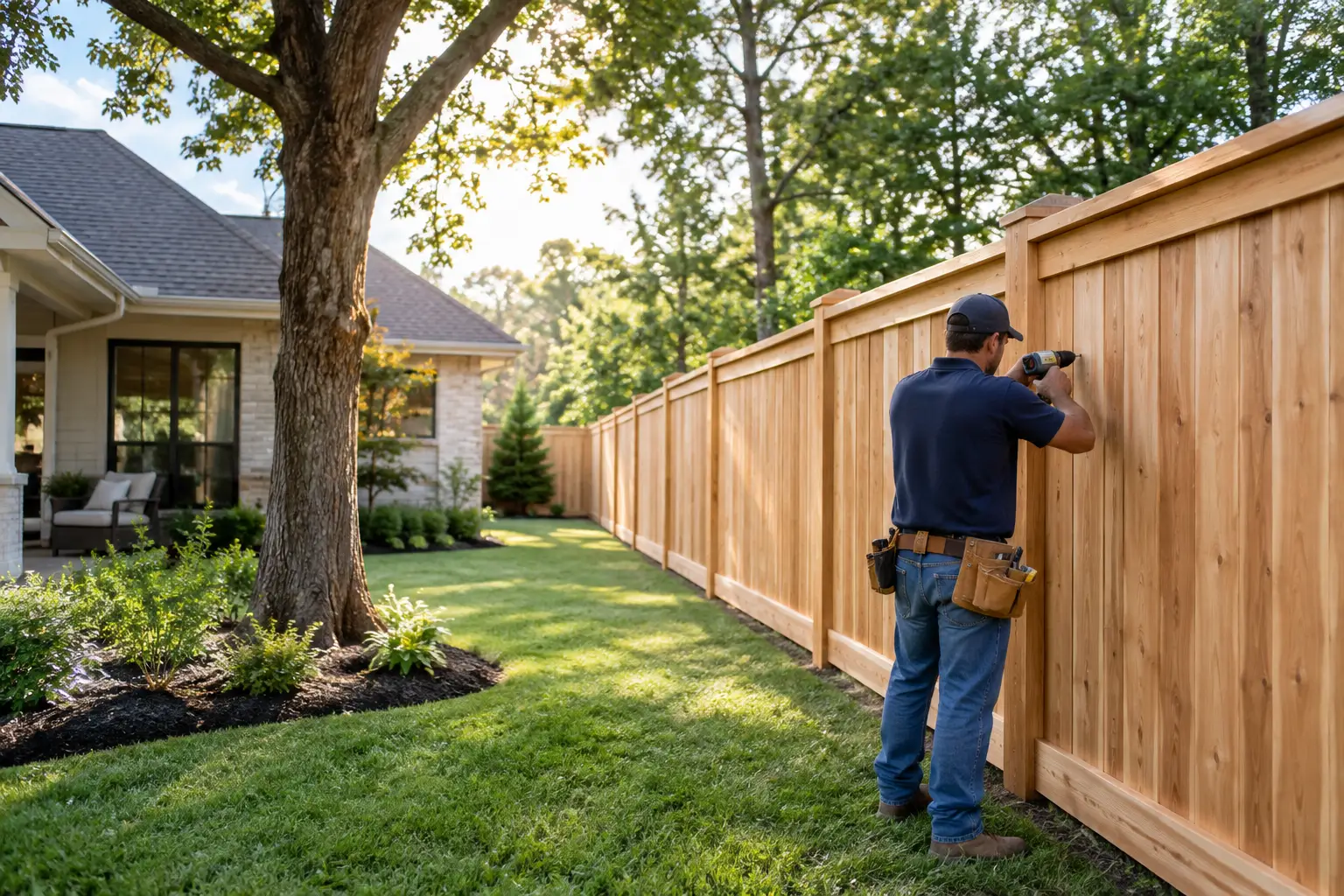
A new fence can make a property feel finished fast, but fence installation in The Woodlands is not just a matter of setting posts and hanging pickets. Heavy rain, clay soil, mature trees, neighborhood standards, utility lines, and uneven lot grades can all affect the finished result. The best fence is one that fits your property, serves a clear purpose, and is installed to hold up through Houston-area weather.
Whether you are replacing a worn-out privacy fence, securing a rental property, enclosing space for dogs, or improving a commercial lot, planning the details before construction prevents expensive surprises later.
Start With What the Fence Needs to Do
Most property owners start by choosing a look. That matters, but function should lead the decision. A backyard privacy fence may need full coverage and a lockable gate. A front or side-yard fence may need to complement the home without blocking visibility. A commercial property may prioritize access control, durability, and clear boundary lines.
Think about who will use the space. A family with pets may need a fence with tight picket spacing and gates that latch securely. A landlord may need a practical material that looks clean and can be repaired without replacing an entire run. A business may need a stronger gate setup for equipment access, deliveries, or after-hours security.
Property lines deserve the same attention. Do not assume an old fence sits on the exact boundary. If there is any uncertainty, review your survey before work starts. Installing on a neighbor’s property, even by a few inches, can turn a straightforward project into a frustrating dispute.
Fence Installation in The Woodlands Requires Site Planning
The Woodlands has beautiful mature landscaping, but trees and drainage often complicate fence work. Large roots can make post placement difficult, and cutting major roots carelessly can harm a healthy tree or leave a post without proper support. A qualified contractor should look at root zones, slope, existing structures, and access before recommending a layout.
Drainage is another big consideration. Water needs a place to go during the heavy storms common across Montgomery County. A fence should follow the grade thoughtfully rather than acting like a dam that directs water toward a home, patio, or neighboring yard. Sometimes a small gap at the bottom, a stepped layout, or a change in fence line makes more sense than forcing every section to sit at the same elevation.
Access matters more than many people expect. Crews need room to remove old material, bring in new posts and lumber, and work safely around landscaping. If access is limited, the installation plan may take more labor and time. That does not mean the project cannot be done. It simply needs a realistic plan and clear communication before the first post is set.
Check HOA and Community Requirements Early
Many neighborhoods in The Woodlands and nearby communities have HOA or deed restriction requirements for fence height, style, color, placement, and gate locations. Some require approval before construction begins. Others limit which side of the fence faces outward or require specific materials along streets, trails, or common areas.
Get those requirements in writing early. Waiting until materials are ordered can delay the job or create a costly change order. A dependable fence contractor can help you think through the practical side of the project, but the homeowner or property owner should confirm community approval requirements directly.
Call Before Digging
Fence posts require digging, and buried utility lines are not always where property owners expect them to be. Utility locating should be handled before installation starts. This is a basic safety step that protects your property, your crew, and essential services.
Private lines, such as irrigation, landscape lighting, pool equipment wiring, or invisible dog fencing, may not be included in standard utility marking. Point these out during the estimate whenever possible. A few minutes of planning can prevent damaged systems and avoidable repairs.
Choose Materials for the Weather and Your Budget
Wood remains a popular choice for privacy fencing because it offers a classic look, flexible design options, and a price point that works for many homeowners. The right species and construction details make a difference.
Treated pine is commonly used for practical, budget-conscious fencing. When installed with quality posts, properly spaced pickets, and solid rails, it can provide years of dependable service. It does need maintenance over time, especially in humid conditions. Cleaning, sealing, and addressing loose boards early will help extend its life.
Cedar costs more upfront, but many owners like its natural appearance and its resistance to moisture and insects. It is a strong choice when curb appeal is a high priority. Cedar is not maintenance-free, though. Sun, rain, and humidity still affect wood, and a protective finish can help preserve its appearance.
Board-on-board fencing is a good option for homeowners who want greater privacy. Overlapping pickets cover the natural gaps that can develop as wood changes with the weather. A standard side-by-side privacy fence can be more economical and still look sharp, especially with a top cap, trim, or a custom gate.
Aluminum and ornamental metal fencing work well around pools, front yards, and areas where visibility matters. They offer a cleaner, more open appearance than wood and generally require less routine maintenance. The trade-off is that they do not provide privacy, and their initial cost can be higher depending on the layout and gate needs.
There is no single best material for every property. A practical contractor should explain the options honestly, including where spending more makes sense and where it may not.
The Parts of a Fence That Matter Most
A fence may look simple from the street, but the structure below and behind the pickets determines how it performs. Posts need proper depth, stable alignment, and appropriate spacing. In wet or shifting soil, weak post installation can lead to leaning sections, dragging gates, and uneven fence lines.
Rails, fasteners, and picket spacing matter too. Quality exterior-rated fasteners help reduce premature rusting and loosening. Pickets need consistent spacing, but they also need room for natural wood movement. Trying to force every board tightly together can create problems as the material expands and contracts.
Gates deserve special attention because they are the moving part of the fence. A gate that is too wide, under-braced, or hung on weak posts will eventually sag. For wide openings, a double gate or a steel-framed gate may be the better long-term answer. If you need driveway access, equipment access, or a gate that will see daily commercial use, say so during the estimate. Building the right support system from the start is far easier than rebuilding it later.
Know When Repair Makes Sense and When Replacement Is Smarter
Not every aging fence needs a full replacement. If the posts are solid and damage is limited to a few boards, rails, or a gate, a targeted repair may be the most cost-effective choice. Replacing rot boards, resetting a leaning gate, or repairing one damaged section can restore function without taking on a larger project.
Replacement becomes more practical when post failure is widespread, multiple sections are leaning, rails are deteriorating, or the fence has reached the point where repairs are becoming frequent. Property managers often face this decision after storm damage or tenant turnover. The right answer depends on the remaining structure, not just the appearance of the pickets.
Ask for a straightforward assessment. A contractor should be willing to explain what can reasonably be repaired, what should be replaced, and why.
What a Clear Fence Estimate Should Cover
A useful estimate is more than one number at the bottom of a page. It should clearly identify the fence style and height, material type, approximate footage, post and gate work, removal of old fencing when needed, and any known site conditions that affect the scope.
Be cautious with vague quotes that do not explain what is included. The lowest price is not always the lowest final cost if it leaves out disposal, gate hardware, post setting, or other necessary work. Fair pricing comes from matching the scope to the property and using materials that make sense for the budget.
GottaCallMAC provides free estimates for residential and commercial fencing projects throughout The Woodlands and surrounding North Houston communities. The goal is simple: clear communication, quality materials, proper installation, and a fence that works for your property rather than a one-size-fits-all solution.
Before choosing a design, walk your yard after a rain, look closely at the slope and trees, and think about how you will use every gate. Those small observations often lead to the decisions that make a new fence easier to live with for years.
