
 Roofing Services
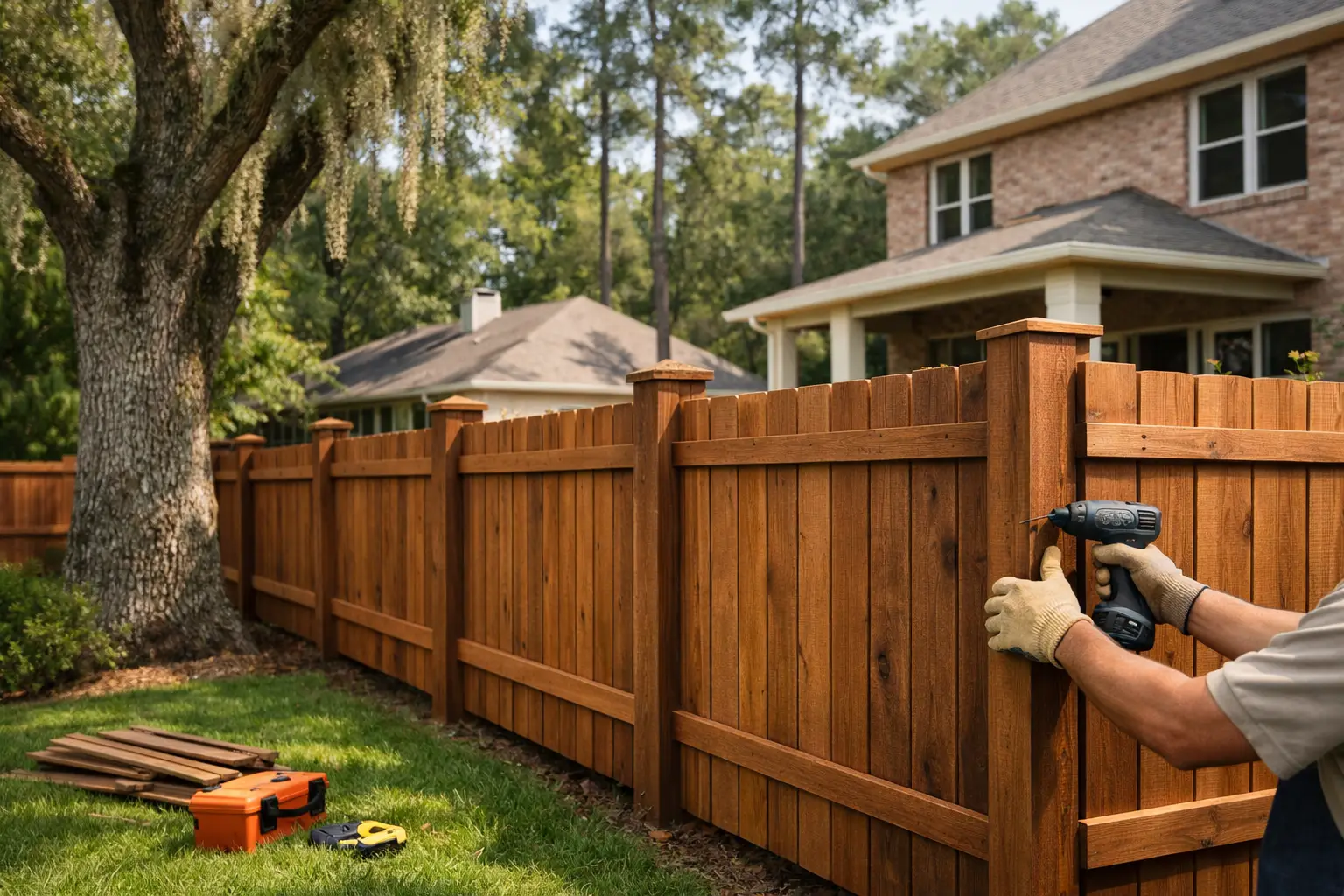
A fence in Kingwood has to do more than mark a property line. It needs to stand up to humid summers, hard rain, shifting soil, active kids and pets, and the everyday wear that comes with a busy home or commercial property. That is why fence installation in Kingwood, Texas should start with a plan for how you use the space, not simply a quick choice of material or panel style.
A good fence adds privacy, security, curb appeal, and usable outdoor space. A poorly planned one can create drainage problems, sagging gates, neighbor disputes, and costly repairs sooner than expected. GottaCallMAC helps property owners make practical fencing decisions that fit their lot, budget, and long-term needs.
Start With the Job Your Fence Needs to Do
The best fence for one property may be the wrong fit for the next. A backyard privacy fence, for example, has very different priorities than a perimeter fence for a commercial site or an open-style fence meant to frame a wooded lot.
Before choosing a style, consider what matters most. If privacy is the priority, a solid cedar or treated pine fence may make sense. If you want visibility without sacrificing a defined boundary, aluminum or metal fencing may be a better choice. For larger rural-style properties, split rail fencing creates a more open look, though it does not offer much containment for small pets.
Dog owners should also think beyond fence height. The spacing between pickets, gate latch placement, terrain changes, and potential digging areas all matter. A fence that looks good but leaves a gap below the bottom rail is an easy escape route for a determined dog.
For homeowners preparing to sell, fencing can be a smart curb-appeal upgrade when the existing fence is leaning, weathered, or visibly patched. Real estate professionals and property managers often find that a clean, functional fence helps a property show better and reduces one more concern for prospective buyers or tenants.
Choosing a Fence Material for Kingwood Conditions
Kingwood’s heat, moisture, and rain make material selection a practical decision, not just a design preference. Every option has trade-offs.
Cedar for Natural Privacy
Cedar remains a popular choice for privacy fencing because it has a clean appearance and natural resistance to insects and decay. It can be installed in traditional side-by-side pickets, board-on-board designs, or custom patterns that give a property more character.
Cedar costs more than some alternatives, but many owners feel the appearance and durability justify the investment. It still benefits from proper installation and periodic maintenance. No wood fence is maintenance-free in the Houston area, especially where shade and moisture linger near the fence line.
Treated Pine for Value
Treated pine is a solid option for property owners who need dependable privacy fencing at a more budget-conscious price. When quality materials, strong posts, and correct spacing are used, it can provide years of service.
The trade-off is that pine may be more prone to visible movement, checking, and weathering over time. That does not make it a poor choice. It simply means installation quality matters even more, particularly at posts, rails, gates, and areas with poor drainage.
Aluminum and Metal for Low-Maintenance Boundaries
Aluminum fencing works well around pools, landscaped yards, commercial properties, and homes where visibility matters. It offers a crisp, finished appearance without blocking the view. Metal fencing can also be a practical choice where security and durability are the main concerns.
These fences generally do not provide privacy on their own. Some owners pair an open metal fence in the front or side yard with a wood privacy fence in the backyard. That combination can balance appearance, function, and cost.
Split Rail for Open Properties
Split rail fencing fits properties that need a rustic, open boundary rather than full privacy. It can be especially useful around large yards, entry drives, or areas where owners want to preserve a natural look. If animal containment is needed, wire mesh can sometimes be added, depending on the purpose and appearance you want.
Drainage and Post Setting Make the Difference
Many fence problems begin below ground. Kingwood-area properties can see heavy rainfall, and water that repeatedly collects along a fence line can shorten the life of posts and create uneven pressure on panels.
A professional installer should look at the grade of the yard, existing drainage paths, tree roots, retaining edges, and low spots before setting a single post. Posts need to be set at an appropriate depth and secured correctly for the fence design and soil conditions. Skipping that preparation may save time at the beginning, but it often leads to leaning sections and loose gates later.
Trees deserve special attention. Mature trees add shade and value to a property, but roots can complicate fence placement. Forcing a straight fence line through major roots can damage the tree or create a weak installation. In some cases, a slight adjustment in the layout is the smarter long-term choice. GottaCallMAC can also help when tree trimming, removal, or land clearing is needed before an exterior project moves forward.
Gates Should Be Planned, Not Added at the End
A gate is usually the first part of a fence that homeowners notice when something goes wrong. It drags, sticks, sags, will not latch, or is too narrow for equipment to pass through. The fix often costs more when the gate was treated as an afterthought.
Think about who and what needs to move through the opening. A standard walk gate may be enough for a side yard, while lawn equipment, trailers, or service access may require a wider double gate. Commercial properties may need stronger hardware, controlled access, or a gate layout that supports daily operations.
Gate placement also affects convenience. A gate near the driveway may make trash day easier. A second gate near a pool, garden, shed, or dog run can prevent people from tracking through the house. A short conversation during planning can save years of frustration.
Check Boundaries and Community Requirements First
Do not assume an old fence marks the exact property line. Before fence installation, confirm boundaries through a recent survey or other reliable documentation. This is especially important when replacing a fence that has been in place for years, since previous installations are not always accurate.
If your home is in a neighborhood with a homeowners association, review the approved materials, heights, colors, and placement rules before work begins. Some communities have specific requirements for fences facing streets, common areas, or drainage easements. Local permitting requirements can also vary based on the property and project scope.
Handling these details early protects your investment. It is much easier to adjust a plan on paper than to move a completed fence.
Get a Fence Estimate That Explains the Work
A low number without clear details is not always a bargain. When comparing estimates, make sure you understand the material type, fence height, post size, gate hardware, demolition or haul-away needs, and whether the quote accounts for difficult terrain or access issues.
The lowest bid can become expensive if it leaves out essential work. On the other hand, a higher price is not automatically better. Ask straightforward questions and look for a contractor who explains the scope without pressure.
When people search for GottaCallMAC Houston-area fencing and remodeling reputation searches, they are usually looking for the same things: clear communication, fair pricing, reliable scheduling, and work that holds up after the crew leaves. Those standards matter whether you need one damaged section repaired or a full new fence installed.
GottaCallMAC is licensed, bonded, and insured, and our team serves Kingwood and surrounding Houston-area communities with custom fencing, gate installation, fence repairs, decks, tree services, land clearing, remodeling, and more. We provide free estimates, competitive pricing, and practical recommendations based on the property in front of us.
For a fence that fits your yard instead of creating the next repair problem, call GottaCallMAC at 936-290-3502 or visit www.gottacallmac.com. A clear plan, solid materials, and dependable workmanship are the best place to start.
