
 Roofing Services
What Is Kitchen and Bath Design?
A kitchen that looks great in photos but feels cramped every morning is not good design. The same goes for a bathroom with expensive tile and nowhere to put a towel. If you’re asking what is kitchen and bath design, the short answer is this: it’s the planning of two of the hardest-working rooms in your home so they function well, hold up over time, and fit the way you actually live.
That sounds simple, but these spaces ask a lot from a design plan. They need plumbing, electrical, storage, lighting, ventilation, durable materials, and a layout that makes daily routines easier instead of more frustrating. Good kitchen and bath design is not just about picking cabinets and countertops. It’s about making hundreds of practical choices that work together.
What Is Kitchen and Bath Design in Real Terms?
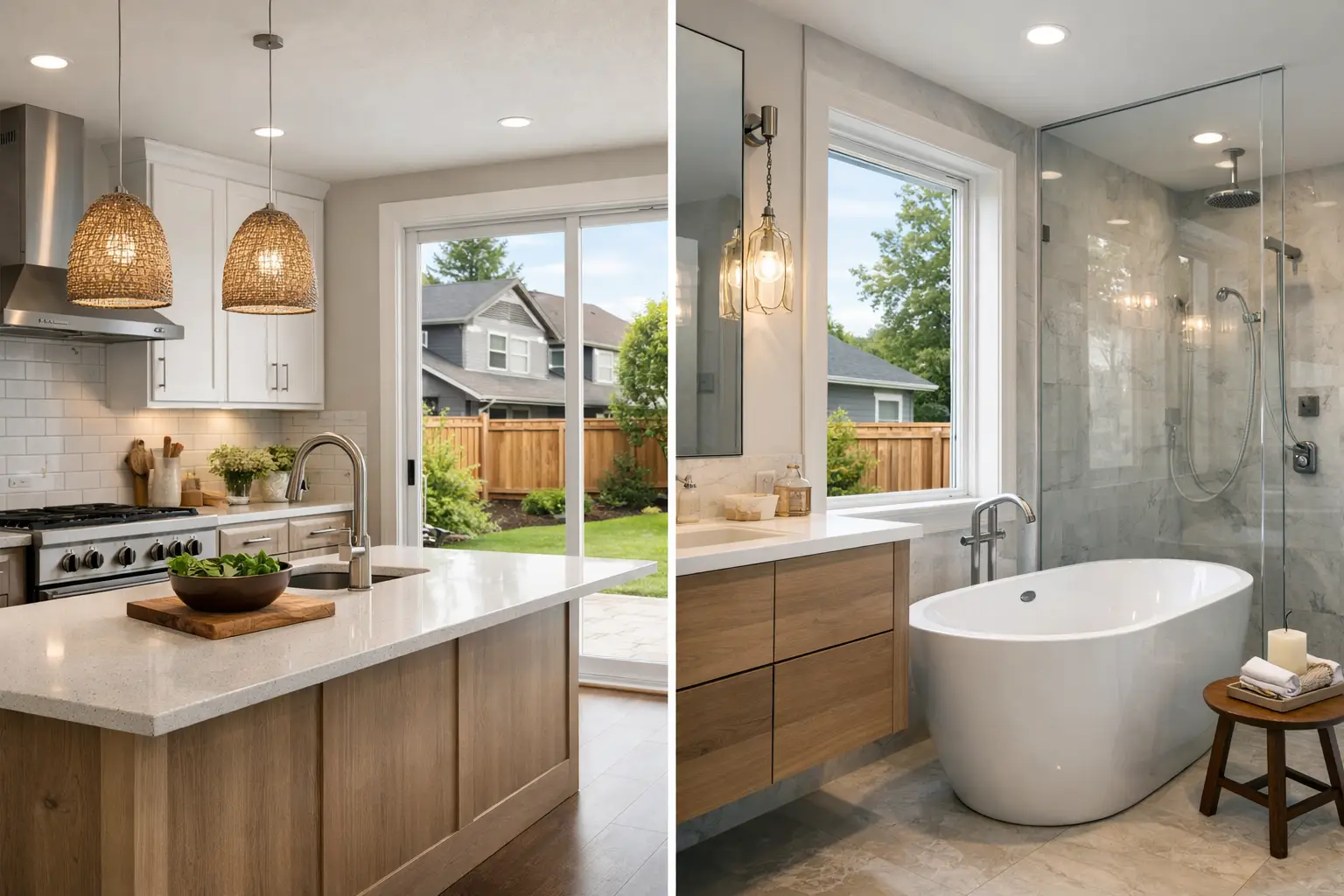
Kitchen and bath design is the process of organizing space, materials, fixtures, and finishes in kitchens and bathrooms to improve function, comfort, appearance, and long-term value. In real terms, it means figuring out where appliances should go, how cabinets should open, how far a vanity should sit from a door swing, and whether the materials you choose can handle moisture, heat, and daily wear.
It also means balancing wish-list items with real-world limits. Most homeowners do not have unlimited square footage or unlimited budget. That is where design matters most. A smart plan can make a modest kitchen feel more usable and a small bathroom feel less crowded without forcing you into a full luxury-level spend.
For property owners, there is another reason this matters. Kitchens and bathrooms tend to influence resale value more than most other rooms. Buyers pay attention to layout, storage, condition, and overall feel. Even if you are not planning to sell soon, these are the rooms you use every day, so poor planning gets expensive fast.
Why These Two Rooms Need Specialized Design
A living room gives you more room for trial and error. A kitchen or bathroom does not. These rooms rely on fixed systems like plumbing lines, drains, venting, and electrical connections. Once those elements are in place, changes become harder and more expensive.
That is why kitchen and bath design is more technical than many homeowners expect. The design has to account for code requirements, moisture control, traffic flow, clearances, storage needs, and installation details. A kitchen island may look like a great idea until it blocks appliance doors or tightens the walkway too much. A bigger shower may sound appealing until it leaves no room for practical storage.
This is also where experience helps. A contractor who understands remodeling can spot issues before they become change orders, delays, or everyday annoyances.
The Core Parts of Good Kitchen Design
In the kitchen, layout comes first. Before finishes are discussed, the space has to support cooking, cleaning, storage, and movement. That includes the relationship between the sink, refrigerator, and cooking area, but it goes beyond the old work triangle idea. Many families now have multiple cooks, larger refrigerators, more countertop appliances, and a need for flexible storage.
Storage is often what separates a kitchen that looks nice from one that works. Deep drawers, pantry organization, trash pull-outs, corner solutions, and cabinet height all make a difference. A kitchen can have plenty of cabinets and still not store things well if the configuration is wrong.
Lighting matters just as much. Overhead light alone usually is not enough. Task lighting under cabinets, pendant lighting over islands, and proper fixture placement help make the room safer and easier to use.
Then come the finish selections. Countertops, cabinet materials, backsplashes, flooring, and hardware all need to fit the budget and the maintenance level the homeowner is comfortable with. Some materials are beautiful but require more upkeep. Others are better for busy households, rentals, or families with kids.
The Core Parts of Good Bathroom Design
Bathroom design starts with many of the same priorities, but moisture and space planning play an even bigger role. In a smaller room, every inch counts. Toilet placement, vanity depth, shower size, door swing, and storage all have to work together without making the space feel boxed in.
A bathroom also needs to support routine. That might mean double sinks for a shared primary bath, a tub-shower combo for a family bathroom, or a walk-in shower for better accessibility. There is no single best setup for every home. It depends on who uses the room and how long they plan to stay in the house.
Ventilation is one of the most overlooked parts of bathroom design. Without proper airflow, moisture can cause peeling paint, mildew, and long-term damage. Material choices matter too. Flooring, wall surfaces, and cabinetry all need to hold up in a humid environment.
Storage is a common pain point. A clean-looking bathroom with no space for towels, toiletries, or cleaning supplies will not stay clean-looking for long. Good design builds in places to keep daily items close without turning the countertop into a catch-all.
Style Matters, but Function Has to Lead
Most homeowners start with inspiration photos, and that is normal. The problem comes when style decisions get made before the room’s practical needs are solved. A floating vanity may look sleek, but it may not offer enough storage. Open shelving can look attractive, but it usually takes more effort to keep organized. Large-format tile can create a clean modern look, but it may not be the best fit for every shower layout.
That does not mean style should take a back seat. It means style should be built on a solid plan. When the layout works, the storage makes sense, and the materials match the demands of the room, the final design tends to hold up better both visually and financially.
What Kitchen and Bath Design Includes During a Remodel
When these rooms are part of a remodel, design usually covers more than most people think. It can include measuring the space, evaluating existing plumbing and electrical locations, creating a new layout, selecting cabinetry and fixtures, choosing tile and flooring, planning lighting, and coordinating installation details.
In older homes, there may also be hidden issues behind walls or under flooring. Water damage, outdated wiring, uneven subfloors, and poor previous workmanship can all affect the final plan. That is one reason a realistic budget matters. Design is not just about what you want to add. It also has to account for what the house needs.
For homeowners in the Houston area, moisture, humidity, and heavy day-to-day wear are worth keeping in mind. Materials that perform well in real family life usually beat trend-driven choices that look dated or damaged too quickly.
Common Mistakes Homeowners Make
The biggest mistake is treating kitchen and bath design like a finish-selection project instead of a planning project. Cabinets, tile, and paint colors matter, but they should come after the layout and function are settled.
Another mistake is underestimating storage. People often focus on visual openness and forget about where everything will go. That usually leads to clutter, which makes even a newly remodeled room feel less polished.
Budget imbalance is another issue. Some homeowners spend heavily on one standout feature and then have to cut corners on the pieces they use every day. In many cases, better cabinet construction, practical lighting, and durable surfaces bring more value than a single showpiece item.
There is also the temptation to overbuild for the neighborhood or the property type. If resale is part of the goal, the best investment is usually a well-designed, broadly appealing space, not the most expensive option available.
How to Know If Your Space Needs Design Help
If your kitchen feels crowded, your bathroom lacks storage, or your current layout makes daily routines harder than they should be, design help is worth considering. The same is true if you are planning a remodel and do not want to make expensive choices in the wrong order.
A strong design process gives you clarity before demolition starts. It helps you decide what is worth changing, what can stay, and where your budget will have the most impact. For many homeowners, that alone saves money.
Companies like GottaCallMAC see this firsthand. A remodel goes more smoothly when the plan accounts for how the space will actually be used, not just how it will look when the work is finished.
So, What Is Kitchen and Bath Design Really About?
At its core, kitchen and bath design is about making your home work better. It turns square footage into useful space, solves daily frustrations, and helps your investment last. The finishes get the attention, but the real value is in the planning behind them.
If you are thinking about updating your kitchen or bathroom, start by asking a practical question: what is not working right now? That answer usually leads you to the design choices that matter most.
