
 Roofing Services
What Is Bathroom Remodeling, Really?
A bathroom that looks dated is one thing. A bathroom with soft subflooring, poor lighting, bad ventilation, or a layout that fights you every morning is something else entirely. That is usually the point where homeowners stop asking about cosmetic touch-ups and start asking, what is bathroom remodeling?
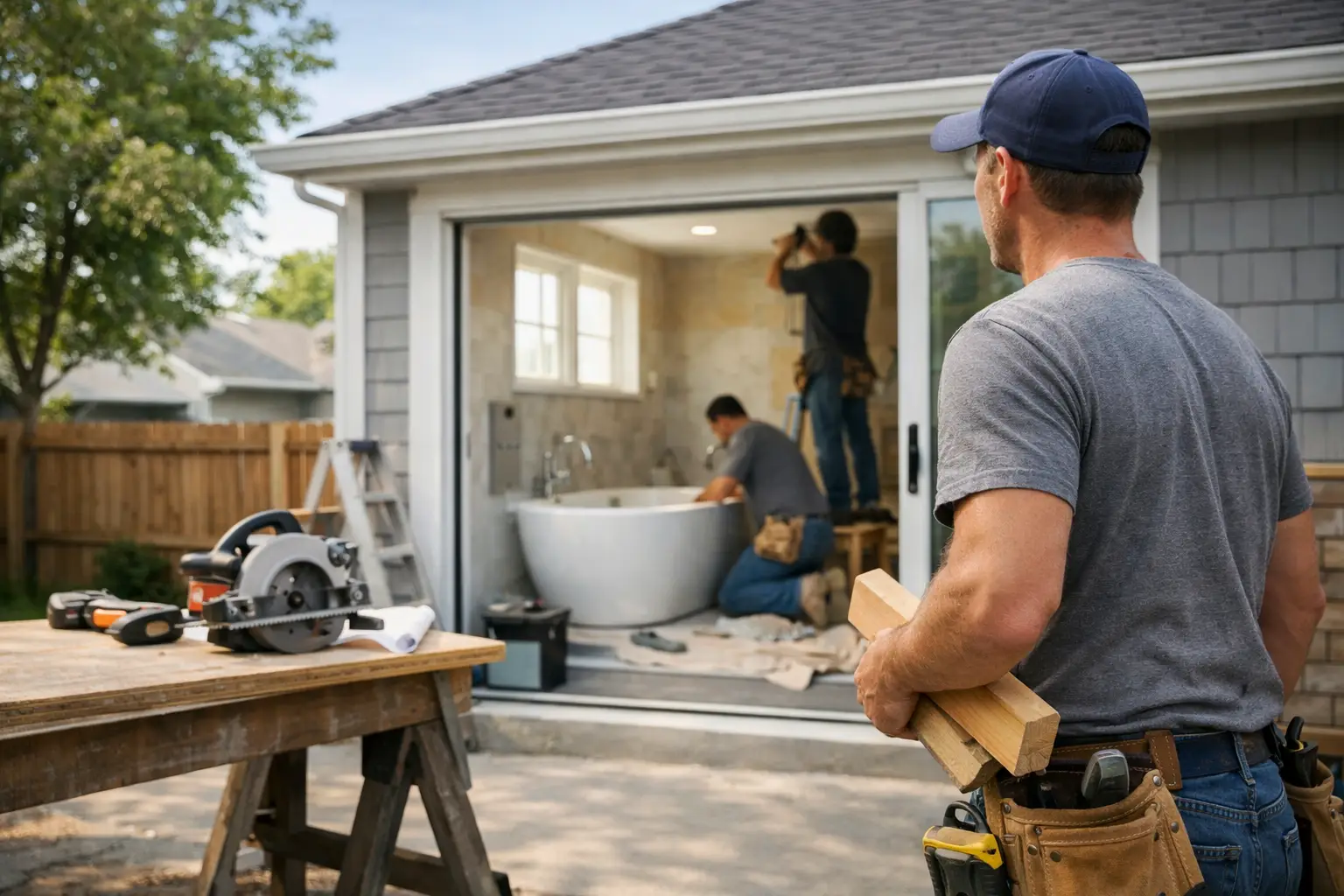
Bathroom remodeling is the process of improving a bathroom beyond basic repairs or simple decor changes. It can involve replacing fixtures, updating flooring and tile, improving lighting, changing the layout, adding storage, upgrading plumbing features, and fixing hidden issues behind the walls. Some remodels are mostly cosmetic. Others are full rebuilds that change how the space works from top to bottom.
What is bathroom remodeling compared to a repair?
The easiest way to understand what bathroom remodeling means is to compare it with maintenance and repair work. If you replace a leaking faucet, patch drywall, or swap out a broken toilet, that is repair work. You are fixing a problem and getting the room back to working order.
A remodel goes further. It improves the look, function, value, or layout of the bathroom. Maybe you replace an old tub with a walk-in shower, add a double vanity, install new flooring, or update everything so the room feels clean, modern, and easier to use. The goal is not just to fix what is broken. It is to make the bathroom better.
That difference matters because the scope, budget, and timeline change fast once a project moves from repair into remodeling. A homeowner might start by wanting new tile and end up realizing the vanity is too small, the lighting is poor, and the floor has water damage under it. That is common. Bathrooms are compact spaces, so one upgrade often exposes the next weak spot.
What is included in bathroom remodeling?
Most bathroom remodels combine several upgrades into one coordinated project. The exact work depends on the age of the home, the condition of the bathroom, and what the owner wants out of the space.
A basic remodel may include a new vanity, sink, faucet, mirror, lighting, flooring, fresh paint, and an updated toilet. That kind of job can dramatically improve appearance without changing the room’s footprint.
A more involved remodel may include a new shower or tub, tile walls, custom storage, updated ventilation, drywall replacement, waterproofing, and fixture relocation. In some cases, walls move, plumbing lines are adjusted, or the entire layout is redesigned to make the room feel bigger or work better.
There is also the hidden side of remodeling, which matters just as much as the visible finish work. Good bathroom remodeling often includes correcting moisture damage, improving airflow, replacing worn subflooring, and making sure the installation is built to hold up over time. A bathroom can look great on day one and still fail early if the prep work is poor.
Why homeowners remodel bathrooms
For most property owners, the decision comes down to one of three things: the bathroom is worn out, it no longer fits the household, or it is dragging down the value of the property.
An older bathroom may have cracked tile, stained grout, outdated finishes, weak lighting, and fixtures that waste water or perform poorly. Even if everything still works, the room can feel tired. Remodeling gives you a chance to refresh it all at once instead of pouring money into one small fix after another.
Function is another major reason. A bathroom that worked for one owner may not work for the next. Families may need more storage. Older adults may want a safer shower entry. Property managers may need a durable, easy-to-maintain setup for tenants. Home sellers may want a cleaner, more updated look before listing.
Then there is comfort. A well-planned bathroom remodel can make a daily routine easier. Better lighting helps in the morning. More efficient storage cuts clutter. A larger shower or better vanity setup can make the space feel less cramped. Those upgrades are practical, not flashy.
Full remodel vs. partial remodel
Not every bathroom remodel needs to be a complete teardown. In fact, many smart remodels are selective.
A partial remodel keeps some major elements in place while upgrading others. For example, you might keep the tub and plumbing layout but replace the flooring, vanity, wall finishes, lighting, and toilet. This can save time and money while still producing a major visual improvement.
A full remodel usually means stripping the bathroom down to the framing or subfloor in at least part of the room. This approach makes sense when there is water damage, old materials failing behind the surface, or a layout that no longer works. It costs more, but it can solve deeper problems and give you more design flexibility.
Neither option is automatically better. It depends on the condition of the space and how long you plan to keep the property. If you want the biggest impact for the smallest budget, a partial remodel may be the right move. If the bathroom has underlying damage or major design limitations, piecemeal updates can end up costing more in the long run.
What affects the cost of bathroom remodeling?
Bathroom remodeling costs vary because the details matter. Size is part of it, but it is not the whole story. A small bathroom with expensive tile, custom glass, plumbing changes, and hidden water damage can cost more than a larger bathroom with a simple layout and standard finishes.
Labor is a major factor. Bathrooms bring several trades into a tight space, including demolition, plumbing, electrical, drywall, flooring, painting, and finish installation. Material choices also move the number quickly. Stock vanities, standard fixtures, and basic tile keep things more affordable. Custom cabinetry, stone surfaces, specialty tile patterns, and premium fixtures push the budget up.
The biggest surprise costs usually come from what you cannot see at first. Moisture damage, mold, soft subflooring, outdated plumbing connections, and poor previous workmanship can all show up once demolition begins. That is why experienced contractors build remodeling plans around both the visible upgrade and the condition of the structure underneath.
What a good bathroom remodel should accomplish
A strong remodel is not just about making the room look newer. It should make the bathroom work better day after day.
That starts with layout and flow. You should be able to move comfortably, open doors and drawers without conflict, and use the room without bumping into awkward placements. Storage should match how the household actually lives. Lighting should be bright where you need it and balanced enough that the room does not feel harsh.
Durability is just as important. Bathrooms deal with humidity, water exposure, and daily wear. Materials need to handle that environment. So does the installation. Proper prep, waterproofing, ventilation, and finish work are what separate a bathroom that lasts from one that starts showing problems too soon.
A good remodel should also fit the property. If you are updating a family home, practicality may matter more than high-end design. If you are preparing a home for sale, broad appeal may be smarter than highly personal choices. If you manage rental property, durable and easy-to-service materials usually win over trend-driven options.
How to know when it is time to remodel
Some signs are obvious, like recurring leaks, damaged flooring, loose tile, or a vanity that is falling apart. Others are easier to ignore, like weak ventilation, poor lighting, outdated finishes, or a setup that no longer fits your routine.
If you are repeatedly spending money on the same bathroom, that is a strong signal. If multiple parts of the room are aging at once, combining the work into a remodel is often more efficient than handling each issue separately. The same goes for bathrooms with hidden moisture problems. Surface fixes may buy time, but they rarely solve the root issue.
This is also why many homeowners remodel before problems become urgent. Planned projects give you more control over budget, scheduling, and material choices. Waiting until damage spreads usually limits your options.
Choosing the right contractor matters
Bathroom remodeling is one of those jobs where shortcuts show up later. Crooked tile is annoying, but poor waterproofing, weak ventilation, or bad plumbing connections are far more expensive. You want a contractor who can handle the project as a whole, not just make the room look finished.
That means clear estimates, realistic timelines, dependable communication, and workmanship that holds up after the crew leaves. It also helps to work with a full-service contractor who can manage related work without sending you off to coordinate multiple companies on your own. For homeowners in the greater Houston area, that kind of convenience can save time and reduce headaches during a remodel.
If you have been asking what is bathroom remodeling, the short answer is this: it is the step beyond patchwork fixes. It is how you turn a bathroom that is outdated, inefficient, or wearing out into one that looks better, works better, and adds real value to the property. The best place to start is with an honest look at what your bathroom is doing well, what it is not, and what a solid upgrade could save you from later.
GottaCallMAC www.gottacallmac.com 936-290-3502 Shandra Champagne, Owner
