
 Roofing Services
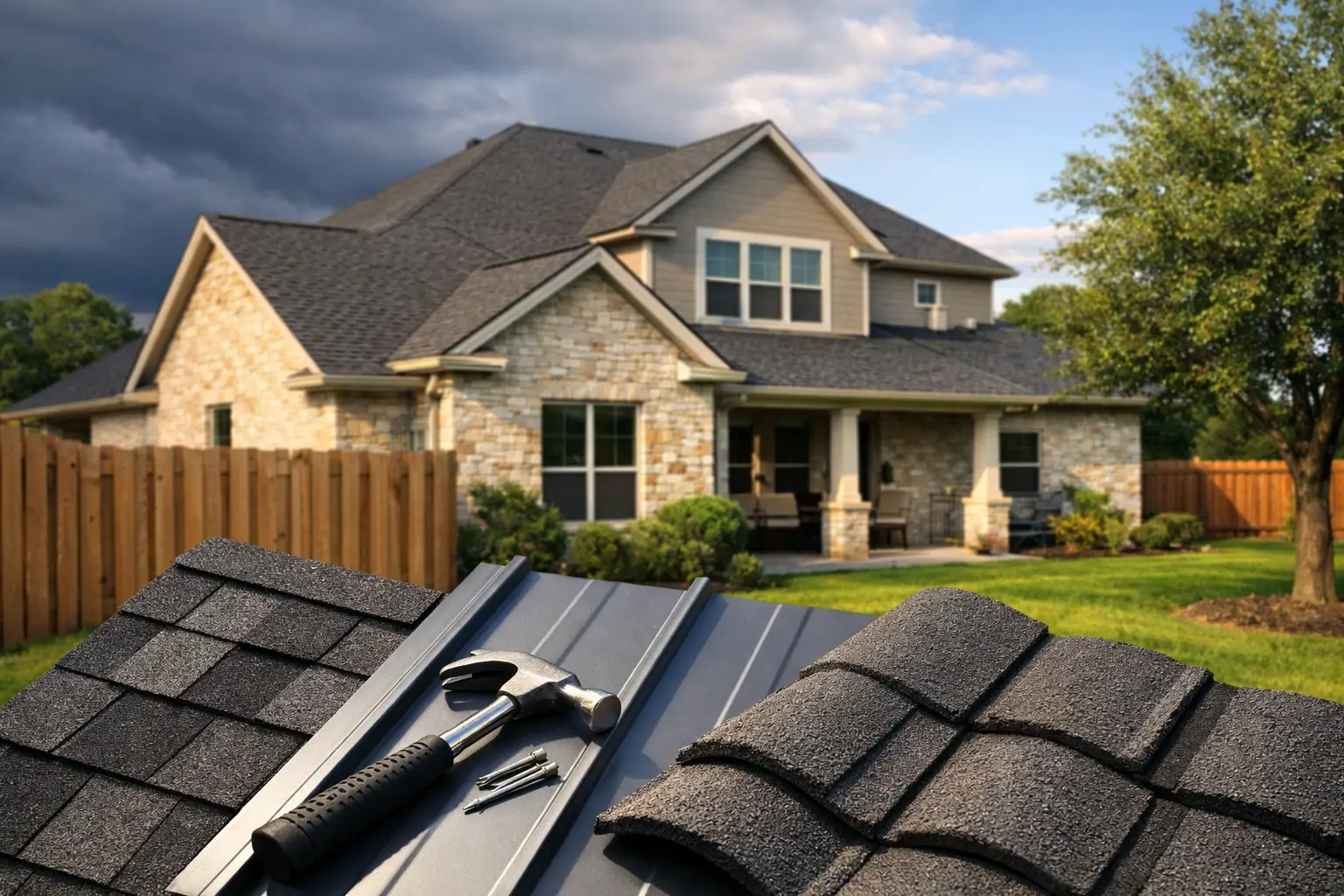
Stormproof Roofing Materials for Texas Homes
A Texas storm can turn a small weak spot into a major property problem in one afternoon. Wind pulls at edges, hail bruises surfaces, driving rain finds gaps, and summer heat keeps working on the system long after the clouds clear. Choosing stormproof roofing materials is not about buying the most expensive option on the shelf. It is about choosing a system that fits your property, budget, neighborhood conditions, and the way it will be installed.
For homeowners and property managers in the greater Houston area, the best material is only part of the decision. Fasteners, flashing, underlayment, ventilation, drainage, and workmanship all matter when the weather gets rough.
What Makes Roofing Materials Storm-Ready?
No roof is completely immune to storm damage. A direct hit from large hail, a fallen tree, or extreme wind can damage nearly any material. The goal is to reduce the chance of leaks, lifted sections, punctures, and premature replacement after the storms Texas is known for.
A storm-ready roofing system needs to stand up to four common pressures: wind uplift, hail impact, heavy rain, and heat. Wind resistance helps keep materials secured at ridges, edges, and around penetrations. Impact resistance helps limit damage when hail hits. Proper water protection keeps rain from reaching the decking below. Heat performance matters because prolonged sun exposure can dry out, crack, or age certain materials faster.
The material label alone does not tell the whole story. A high-quality shingle installed with poor flashing or inadequate fasteners can still fail. On the other hand, a properly installed, well-maintained system can provide strong protection without pushing a project beyond budget.
Stormproof Roofing Materials Worth Considering
Impact-resistant asphalt shingles
For many Texas homes, impact-resistant asphalt shingles are a practical starting point. They are familiar, available in many colors and styles, and generally cost less than metal, tile, or specialty systems. Look for shingles rated for impact resistance, commonly identified as Class 4 under UL 2218 testing.
These shingles are designed to better withstand hail strikes than standard options. That does not mean they will never show damage, especially after a severe hailstorm, but they can reduce cracking and surface loss. They also work well for homeowners who want a traditional appearance without the cost of premium materials.
The trade-off is lifespan and performance variation. Not every impact-resistant shingle performs the same way, and proper installation is critical. Ask about the shingle rating, manufacturer requirements, wind rating, and whether the full system is being installed according to specifications.
Standing seam metal
Standing seam metal is one of the strongest options for homeowners focused on wind resistance and long-term value. The panels interlock with concealed fasteners, reducing exposed points that can loosen over time. Metal also sheds rain quickly and handles intense Texas sun well when paired with the right finish and ventilation.
It is a strong choice for homes, shops, commercial buildings, and properties with low-slope sections where water management is a major concern. Metal can last significantly longer than many conventional materials, but it costs more upfront and requires an experienced installer who understands panel layout, trim details, and thermal movement.
Hail can still dent metal. Whether that is a serious concern depends on the gauge, panel profile, finish, and how much appearance matters to you. A dented panel may remain watertight, but some property owners prefer a material that shows less cosmetic impact.
Stone-coated steel
Stone-coated steel combines the durability of steel with a more dimensional look. It can resemble shingles, shake, or tile while offering strong wind performance and lighter weight than traditional clay or concrete tile. For homeowners who want a more upscale appearance without loading the structure with heavy materials, it can be a smart middle ground.
This option usually comes with a higher price than asphalt shingles and requires crews familiar with its specific fastening and flashing methods. It is not the right fit for every budget, but it deserves consideration when long-term performance and curb appeal are both priorities.
Synthetic slate and composite shingles
Synthetic slate and composite shingles offer the appearance of natural slate or cedar shake without the same weight and maintenance demands. Many products are engineered for impact resistance, wind performance, and moisture resistance. They can be especially appealing for custom homes or properties where appearance carries real value.
Quality varies by manufacturer, so do not choose solely by the look of the sample board. Ask about impact ratings, fire ratings, wind testing, warranty terms, and the contractor’s experience with the product. Composite materials can be a major investment, but they may make sense when a homeowner wants premium style with improved storm performance.
Tile and natural slate
Clay tile, concrete tile, and natural slate can last a long time, but they are not automatic storm-proof choices. These materials are heavy, and individual pieces can crack or dislodge during hail or high-wind events if the installation is not done correctly. Repairs can also be more specialized and expensive.
They may be a good choice for the right architecture and structure, but the building must be able to carry the added weight. In storm-prone areas, secure installation and access to matching replacement materials should be part of the decision from day one.
The Parts You Cannot See Matter Just as Much
The best surface material cannot compensate for weak details underneath. Underlayment acts as a backup barrier if wind-driven rain gets past the outer layer. High-quality synthetic underlayment can offer better tear resistance and moisture protection than basic felt products.
Flashing deserves special attention around chimneys, walls, skylights, vents, and pipe penetrations. These are common leak locations because they interrupt the main surface. Properly integrated flashing directs water away instead of giving it a path inside.
Wind damage also often starts at the perimeter. Drip edge, starter materials, ridge components, and properly placed fasteners help prevent wind from getting beneath the surface and lifting it. If a quote is dramatically lower than others, make sure these details are not being left out.
Ventilation is another overlooked factor. Excess attic heat can shorten material life and contribute to moisture issues. A balanced intake and exhaust setup helps the system perform as intended through hot, humid Texas weather.
How to Choose the Right Material for Your Property
Start with the risks your property actually faces. A home in an open area may see stronger wind exposure than one protected by nearby buildings. A neighborhood with mature trees may have a greater risk of falling limbs. A property that has already experienced repeated hail claims may benefit from a higher impact rating.
Next, consider how long you plan to own the property. If you expect to sell soon, a quality impact-resistant asphalt shingle may offer the right balance of appearance, protection, and cost. If this is your long-term home or commercial building, metal or a premium composite system may justify the higher initial investment.
Budget should be honest and complete. Compare not only material prices but also tear-off work, deck repairs, underlayment, flashing, ventilation, disposal, permits where required, and warranty coverage. A lower initial number can become expensive if important protection measures are excluded.
For rental properties and commercial buildings, maintenance access is also worth considering. The best material is one your team can inspect, repair, and maintain without turning every small issue into a large project.
After a Storm, Do Not Judge Damage From the Ground
After severe weather, look for obvious warning signs such as missing or lifted shingles, loose metal trim, debris in gutters, water stains on ceilings, damaged vents, or granules collecting near downspouts. Keep people away from downed limbs and do not climb onto a wet or potentially damaged surface.
Some storm damage is hard to spot from the ground. Hail marks, bruised shingles, compromised seals, and lifted edges may not cause a leak immediately. Waiting until water enters the home can allow decking, insulation, drywall, and flooring damage to spread.
A professional inspection gives you a clearer picture of what happened and what needs attention now. GottaCallMAC can help property owners evaluate storm damage, address needed repairs, and coordinate related work such as tree removal, fencing repairs, siding, drywall, and painting when a storm affects more than one part of the property.
A Better Decision Starts With a Clear Scope
When comparing stormproof roofing materials, ask for a written scope that names the material, rating, underlayment, flashing approach, ventilation work, fastener requirements, cleanup, and warranty. Clear details protect you from surprises and make it easier to compare estimates fairly.
The right choice is the one that gives your property dependable protection without paying for features you do not need. Before the next storm season arrives, a straightforward inspection and an honest conversation about your options can be far less stressful than an emergency repair call after water is already inside.
