
 Commercial Remodeling
A fence has a big job to do. It needs to define the property, provide privacy where it matters, keep gates working, and hold up through Houston-area heat, humidity, rain, and stormy weather. GottaCallMAC fencing is built around those real needs, with practical material options and straightforward service for homeowners, landlords, property managers, and businesses.
Whether you are replacing a leaning backyard fence in Spring, repairing a damaged gate in Conroe, or planning a new enclosure for a commercial property near The Woodlands, the right approach starts with the condition of the property and how the fence will be used. A good-looking fence is important, but it should also be built to stay useful.
GottaCallMAC Fencing Starts With the Right Plan
Fence projects are not one-size-fits-all. A family with dogs may need dependable privacy and a gate that latches securely every day. A rental owner may be focused on replacing worn sections quickly and keeping the property presentable. A business may need a durable boundary, controlled access, or ornamental metal fencing that gives the property a cleaner, more professional appearance.
Before choosing a material or layout, it helps to look at the full picture: the existing fence line, terrain, drainage, trees near the boundary, access points, desired privacy, and whether the project is a repair or a full replacement. Replacing only a few panels can be a smart value when posts and framing are still in solid shape. When posts are leaning, rails are failing, and multiple sections are worn out, replacement often makes more sense than repeatedly patching the same fence.
GottaCallMAC takes a practical approach to these decisions. The goal is not to sell more work than a property needs. It is to provide a clear estimate, explain the available options, and complete work with materials and construction methods that fit the job.
Choosing Fence Materials for Greater Houston Conditions
Wood remains a popular choice across Greater Houston because it provides privacy, warmth, and flexibility at a reasonable cost. Cedar and treated pine are both common options, but they serve slightly different priorities.
Cedar Fencing
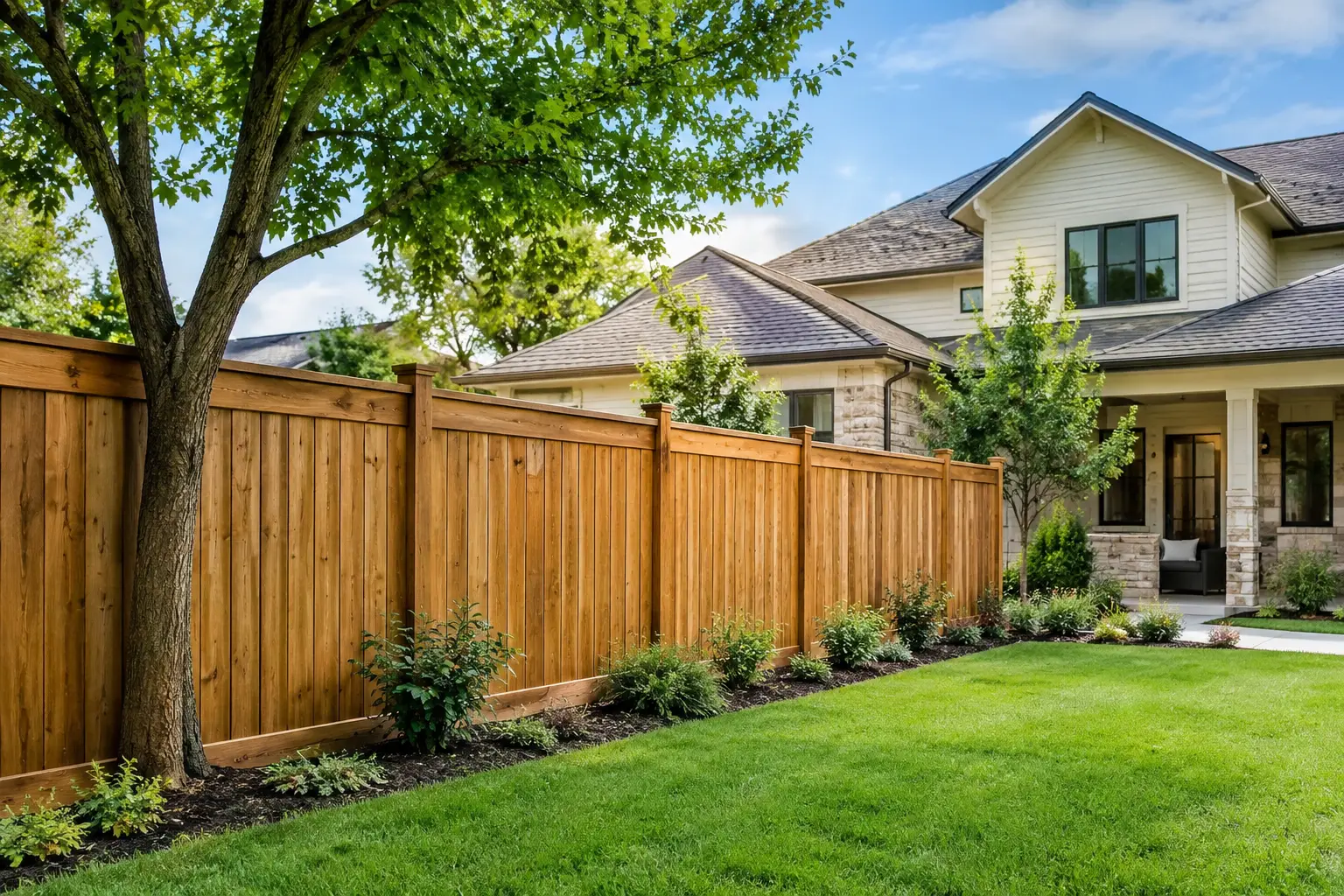
Cedar is valued for its natural appearance and its ability to handle moisture better than many untreated woods. It can be a strong option for homeowners who want a more refined look in a backyard, around a pool area, or along a visible property line. Cedar can also be used for privacy fences, gates, top caps, and trim details that give a fence a finished appearance.
Like any wood fence, cedar still needs reasonable care. Soil contact, standing water, shifting ground, and overgrown vegetation can shorten the life of posts and lower boards. Keeping sprinkler spray and wet mulch away from the base of the fence helps protect the material over time.
Treated Pine Fencing
Treated pine is a dependable, budget-conscious choice for many residential and rental properties. It is widely used for privacy fencing and can be built in several styles. The material is treated to help resist decay and insects, making it well suited for the moisture and changing weather common in this area.
The trade-off is that treated pine can show natural movement as it dries and ages. Some boards may shrink, twist, or develop surface checks. That does not always mean the fence was built poorly, but good installation and quality framing make a major difference in how the finished fence performs.
Board-on-Board Privacy Fences
For homeowners who want stronger privacy without a plain, flat look, board-on-board fencing is often worth considering. Alternating boards overlap the spaces between pickets, which limits direct sight lines while allowing the fence to have a more detailed finish on both sides.
This style uses more material and labor than a basic side-by-side privacy fence, so it may cost more. Still, it can be an excellent fit for lots with close neighbors, busy streets, or outdoor living areas where privacy is a priority. Adding a top cap and trim can further improve the appearance and help create a more finished edge.
Aluminum and Ornamental Metal Fencing
Aluminum and ornamental metal fencing are good choices when visibility matters as much as security. They work well around pools, gardens, entry areas, commercial properties, and properties with a view that a solid wood fence would block. These fences generally require less routine maintenance than wood, but proper layout, secure posts, and a well-built gate are still essential.
They do not offer the same privacy as a wood fence, so the best choice depends on the property. Some owners combine materials, using a privacy fence along side and rear boundaries while installing ornamental fencing at the front or around a specific feature.
Fence Repair or Replacement: How to Decide
A damaged fence does not always need to be removed from end to end. A repair may be the right answer when the issue is limited to a gate, a few damaged pickets, a broken rail, or an isolated section affected by wind, falling limbs, or normal wear.
Posts deserve close attention because they carry the structure. If a post has rotted near ground level or is leaning badly, replacing boards alone will not solve the real problem. The same applies when rot boards along the bottom of the fence have failed. Rot boards can help protect the pickets from ground moisture and landscaping contact, but once they deteriorate, they should be addressed before damage spreads upward.
Replacement becomes more practical when the fence has widespread rot, unstable posts, repeated repairs, or mismatched sections that no longer perform well. For landlords and property managers, a full replacement can also simplify future maintenance and improve curb appeal between tenants. For homeowners preparing to sell, a clean, secure fence and a properly working gate can make the exterior feel cared for before a buyer even steps inside.
Gates Need More Attention Than Most Property Owners Expect
A gate is the moving part of the fence, which means it takes more stress than a stationary panel. Gates sag when framing is weak, hinges are loose, posts shift, or the opening is not built to support the weight. A gate that drags across the ground may seem like a minor annoyance at first, but continued use can worsen the issue.
A properly planned gate should match how the space is used. A walk gate needs easy access and reliable latching. A wider gate may be needed for equipment, trailers, lawn access, or commercial service entry. Privacy gates should be framed for strength, particularly when they are built from heavier wood materials.
During a fencing project, it is worth thinking ahead. If you expect to replace a shed, bring in landscaping equipment, or need access for tree work, a wider gate may be more useful than a standard opening. That small planning decision can prevent inconvenience later.
Local Conditions Can Change the Scope of a Fence Project
In The Woodlands, Magnolia, Tomball, Humble, Kingwood, and nearby communities, fences often share space with mature trees, heavy landscaping, and changing soil conditions. Roots can affect fence lines, branches can damage panels during storms, and drainage issues can keep the base of a fence wet longer than it should be.
Sometimes tree trimming, debris removal, or stump grinding should happen before a fence is installed. Clearing the work area allows for a straighter fence line, safer access, and better visibility of the existing condition. If a storm has damaged both trees and fencing, handling the cleanup and repair through one dependable local contractor can make the process easier to coordinate.
GottaCallMAC also helps with related property improvements, from decks and siding repairs to painting, drywall, and exterior maintenance. That can be especially helpful when a fence project exposes other issues around a rental, a backyard, or a commercial property.
What a Clear Fence Estimate Should Cover
A useful estimate should make it easier to understand the project, not harder. The exact details vary by property, but homeowners and property owners should know what material is proposed, which areas are being repaired or replaced, the planned fence style, gate work involved, and any site conditions that could affect the work.
Price matters, and so does knowing what you are receiving for it. The lowest initial number is not always the best value if the materials, post work, gate construction, or communication are unclear. A fair estimate is one that matches the actual scope and gives you a practical path forward.
If you are comparing options, ask about the difference between repairing and replacing, cedar and treated pine, standard privacy construction and board-on-board, and whether a top cap or rot board makes sense for your property. These are the details that shape both the appearance and useful life of the fence.
A fence should make your property feel more secure, more private, and easier to maintain – not create another recurring problem. For a free estimate on fence installation, replacement, repair, gates, or related property work, contact GottaCallMAC at 936-290-3502 or visit www.gottacallmac.com. Clear communication and solid workmanship are a good place to start.
