
 Commercial Remodeling
A new fence has to do more than look good on installation day. It needs to handle Houston-area humidity, hard rain, summer heat, shifting soil, and everyday use from pets, kids, tenants, and gates. When homeowners ask about pine versus cedar fencing, GottaCallMAC starts with the practical question: what do you need the fence to do, and how long do you expect it to serve the property?
Both materials can make a solid privacy fence when they are installed correctly. The better choice depends on your budget, the look you want, the amount of maintenance you can take on, and whether you are building for a long-term home, rental property, commercial site, or a quick property improvement before selling.
Pine Versus Cedar Fencing: The Main Difference
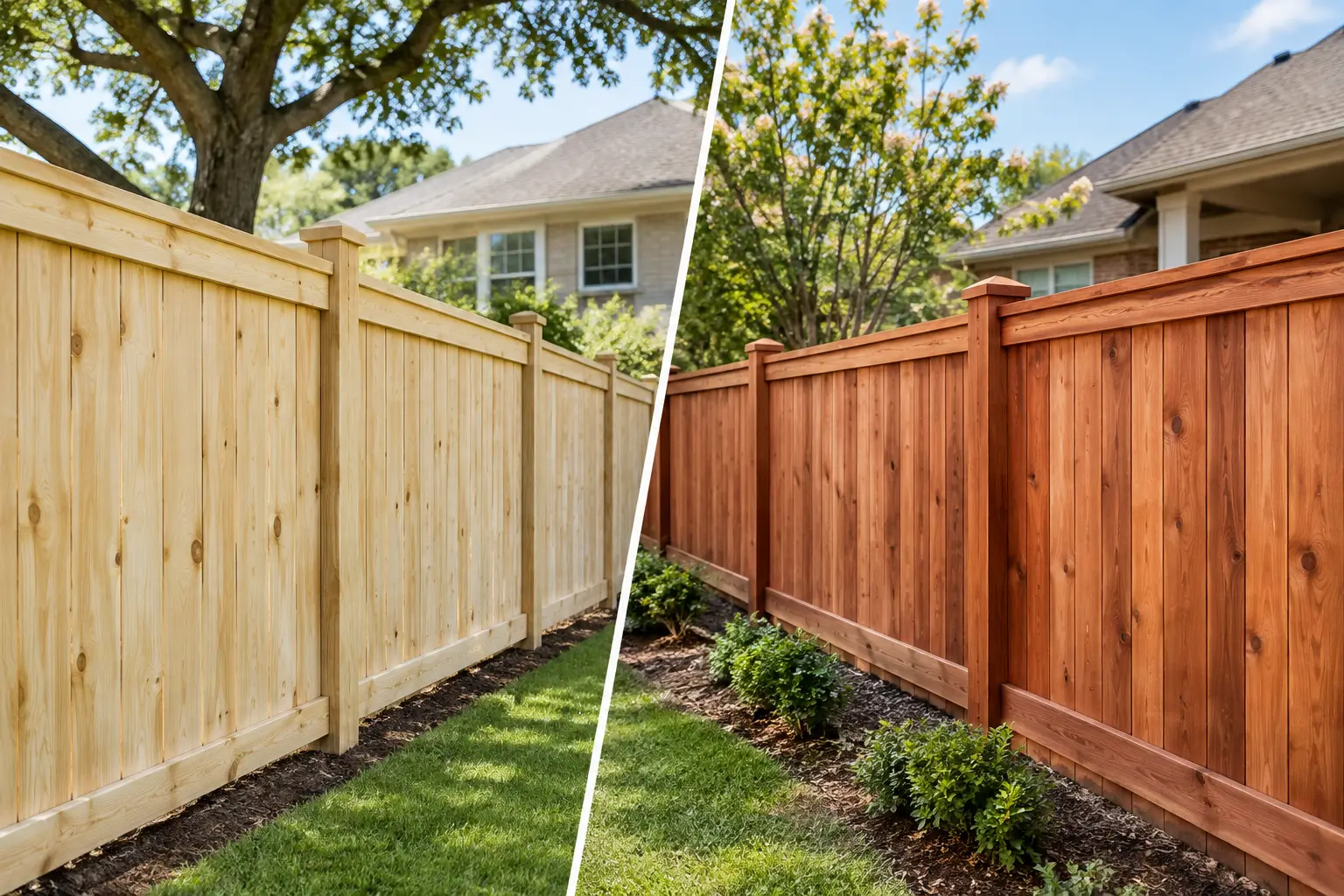
Treated pine is typically the more budget-friendly option upfront. It is pressure-treated to help resist rot, fungal decay, and insect damage, making it a common choice for privacy fence installation across Greater Houston. It has a lighter color when new and can be stained or painted after the wood has properly dried.
Cedar costs more at the beginning, but many property owners choose it for its natural color, grain, and resistance to decay. Cedar contains natural oils that help it hold up against moisture and insects. It is often selected for visible backyard fences, board-on-board fences, and properties where curb appeal is a major part of the project.
Neither material is maintenance-free, and neither will last as it should if the posts, fasteners, rails, drainage, and gate framing are handled poorly. Good materials deserve good workmanship.
When Treated Pine Makes Sense
Pressure-treated pine is a dependable choice for homeowners and property managers who need a strong, clean-looking fence without pushing the budget too far. It is widely available, easy to replace if one picket gets damaged, and works well for standard privacy fencing, dog runs, side-yard fences, and larger perimeter projects.
Pine is also practical when matching an existing treated-wood structure, such as a deck, gate frame, or utility enclosure. Because it is generally more affordable, it may allow you to put more of the budget toward important upgrades like stronger posts, a properly built gate, rot boards, top caps, or a board-on-board layout.
The trade-off is appearance and movement. Pine can shrink, warp, split, or check as it dries, especially through hot and wet weather cycles. Some movement is normal with any wood fence, but pine usually shows it more than cedar. A quality stain or sealant can help reduce moisture absorption and keep the fence looking more consistent over time.
For rental homes, investment properties, and large fencing replacements, treated pine is often the sensible answer. It provides privacy and security at a practical price point, provided the installation is done with care.
Treated Pine Needs Time Before Finishing
Fresh treated pine often holds extra moisture from the treatment process. Applying paint or stain too soon can lead to peeling, uneven coverage, or a finish that does not penetrate properly. The right waiting period varies based on the product, weather, and how dry the lumber is, so it is worth asking about finish timing when planning your project.
Why Cedar Is a Popular Upgrade
Cedar has a warmer, more refined look right from the start. Its natural reddish and honey-toned color gives a backyard fence more character than standard treated pine, particularly around patios, pools, gardens, and outdoor living spaces. It is a strong fit for homeowners who see the fence as part of the overall landscape rather than just a boundary line.
Cedar is lighter than pine and tends to have better natural resistance to rot and insects. It also generally stays straighter and experiences less dramatic shrinking as it weathers. That does not mean cedar will never crack, fade, or warp. Wood is a natural product, and Houston moisture can challenge any exterior material. Still, cedar usually ages more gracefully when maintained well.
The biggest consideration is price. Cedar pickets and components can raise the initial investment, especially on a long property line or a taller privacy fence. For many homeowners, that added cost is worthwhile for the appearance and expected service life. For others, a well-built treated pine fence with a good finish makes more financial sense.
GottaCallMAC can help property owners compare the look and practical value of each option before materials are ordered. That conversation should include the fence style, exposure to sun and standing water, gate locations, surrounding trees, and the condition of any existing fence.
Installation Matters as Much as Wood Species
A cedar fence on weak posts will not perform like a quality fence. The same is true for pine. The post system carries the load, particularly at gates, corners, and long fence runs that catch wind during storms.
For a fence built to last, attention should go to post placement, rail attachment, hardware, picket spacing, and the grade along the fence line. If the bottom of the fence stays in frequent contact with wet soil, leaves, mulch, or standing water, rot can develop faster regardless of whether you choose pine or cedar. Rot boards can be a smart addition because they create separation between the pickets and the ground and can be replaced later if needed.
Gate construction also deserves its own plan. A gate is a moving part, and a sagging gate can make an otherwise good fence frustrating to use. Larger driveway gates, walk gates, and gates used often need solid framing and hardware suited to their size and weight.
Which Fence Style Works Best With Each Material?
Both pine and cedar can be used for traditional side-by-side privacy fences, shadowbox designs, and board-on-board fencing. The style affects privacy, airflow, appearance, and price just as much as the wood choice.
A standard privacy fence is straightforward and economical. Board-on-board fencing uses overlapping pickets, which provides strong privacy even when the boards naturally shrink over time. It is a popular option for homeowners who want a more finished look from both sides of the fence, but it uses more material and labor.
Top caps and trim can give either pine or cedar fencing a cleaner, more custom appearance. Cedar is often chosen when those visual details matter most. Treated pine remains a reliable choice when the goal is a neat, durable fence that stays within a defined project budget.
Maintenance in Greater Houston Weather
The best maintenance step is simple: keep moisture from sitting against the fence. Trim back shrubs and low tree limbs, avoid piling mulch against pickets, and make sure sprinkler heads are not soaking one section of the fence every day. Regularly clearing leaves and debris near the base helps air move around the wood.
Check the fence after major storms, especially around gates and areas near mature trees. Loose pickets, leaning posts, cracked rails, and dragging gates are easier and less expensive to address when caught early. If a tree limb damages your fence, handling the limb removal and fence repair through one local contractor can simplify the process.
Staining or sealing can protect the wood and refresh the color, but it should be viewed as ongoing maintenance rather than a one-time fix. The right schedule depends on sun exposure, the product used, and the fence’s condition.
Making the Right Choice for Your Property
Choose treated pine when affordability, easy replacement, and practical privacy are your main priorities. It is a strong choice for many residential and commercial properties, especially when paired with solid installation and routine care.
Choose cedar when natural beauty, a more polished finish, and long-term appearance are worth a higher upfront investment. It can be especially appealing for visible backyard spaces, premium rentals, and homes where the fence is part of a larger exterior improvement.
If you are replacing an old fence, do not base the decision on picket price alone. Look at the full project: removal and disposal, post condition, gate needs, fence style, drainage, tree clearance, and any repairs needed around the property line. A clear estimate should explain what is included so you can make a confident decision.
For dependable cedar or treated pine fence installation, replacement, repairs, and gate work across The Woodlands and Greater Houston, contact GottaCallMAC for a free estimate at 936-290-3502 or visit www.gottacallmac.com. A fence should fit the property, the budget, and the way you actually use the space – and the right plan makes that easier from the start.
