
 Roofing Services
A Houston fence can look great when it goes up and still take a beating in its first summer. Between heavy rain, humidity, intense sun, shifting soil, and storm-season wind, the material you choose matters. When property owners ask, “pine vs. cedar fence: which is better for Houston weather?” GottaCallMAC gives a practical answer: both can work well, but they serve different priorities.
Cedar is usually the better choice for homeowners who want natural beauty and stronger built-in resistance to moisture and insects. Treated pine is often the smarter choice when upfront budget, dependable performance, and easy replacement are the deciding factors. The right fence also depends on the build itself – post depth, drainage, picket spacing, gate framing, fasteners, and maintenance all affect how long it holds up.
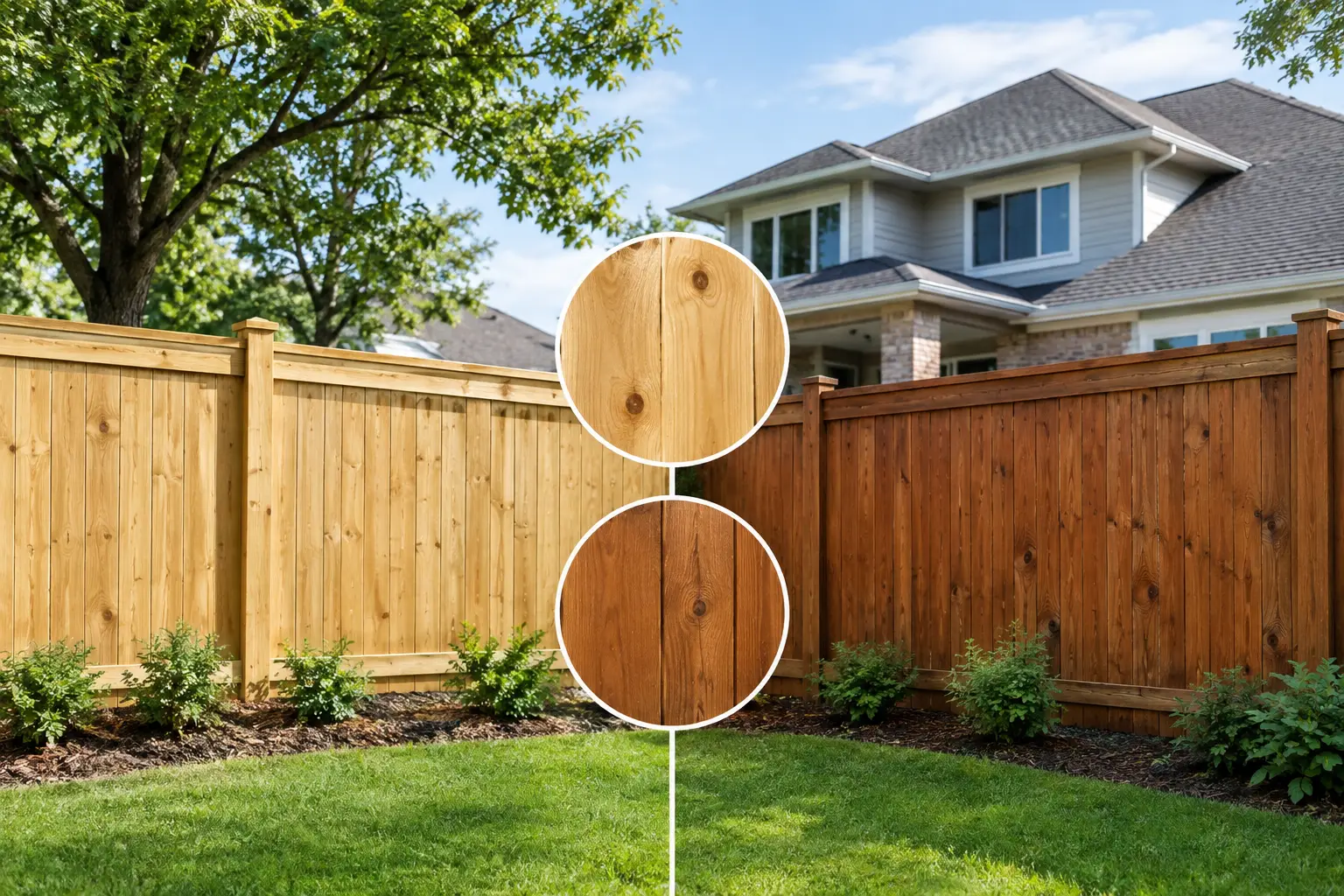
Pine vs. Cedar Fence for Houston Weather
Houston-area weather is hard on exterior wood. Long stretches of humidity can keep fence boards damp long after a rainstorm. Sun exposure dries and fades the surface. Sudden downpours add moisture, while high winds can push on a privacy fence like a sail. A fence installed in The Woodlands, Spring, Humble, or Cypress needs material and construction that account for all of it.
Neither cedar nor treated pine is maintenance-free. Wood moves with changing moisture levels, and any wood fence can develop cracks, warping, discoloration, or loose boards over time. The goal is not to find a fence that never changes. It is to choose a material that fits your property, budget, and expectations for upkeep.
Cedar handles moisture naturally
Cedar contains natural oils that help it resist decay and insect activity. That does not make it invincible, but it gives cedar an advantage in humid conditions when compared with untreated wood. For Houston properties with shaded fence lines, dense landscaping, or soil that stays wet after rain, that natural resistance can be valuable.
Cedar also tends to be more stable than pine. It may be less likely to twist or shrink dramatically as weather changes, which can help a new privacy fence keep a cleaner, more consistent look. Homeowners often choose cedar for visible backyard spaces, pool-adjacent areas, and higher-end property improvements because of its warm color and grain pattern.
The trade-off is cost. Cedar usually costs more than treated pine, both in material price and total installed price. Its natural color also fades to a silvery gray if it is not cleaned and sealed periodically. If you want cedar to keep its original appearance, plan on regular care.
Treated pine is built for practical value
Pressure-treated pine is one of the most common fencing materials in the Greater Houston area for good reason. The treatment process helps protect the wood against fungal decay and termite damage, which are real concerns in our warm, damp climate. It is widely available, straightforward to repair, and generally more affordable than cedar.
For rental homes, large perimeter fences, commercial properties, and homeowners watching their project budget, treated pine can offer a solid return. A properly built treated pine privacy fence can provide the security, separation, and everyday function most properties need without paying a premium for appearance.
Pine does require realistic expectations. Treated boards can shrink, warp, check, and show knots as they dry. That is normal to a degree, especially through the first year. Sealing or staining after the lumber has had appropriate time to dry can help improve water resistance and appearance. It is also worth replacing damaged pickets early rather than letting a small issue spread into loose rails or a weakened section.
Which Fence Lasts Longer in Houston?
All else being equal, cedar often has the edge in natural resistance to rot and insects. But a poorly installed cedar fence can fail sooner than a well-built treated pine fence. This is where workmanship makes the bigger difference than many people expect.
Fence posts are especially important. Posts need to be set correctly for the soil and fence design, with attention to alignment, drainage, and the weight of gates or tall privacy sections. Rails need secure fastening, pickets should be installed with room for wood movement, and gates need proper framing so they do not sag after the first wet season.
A board-on-board cedar fence may cost more than a basic treated pine privacy fence, but it offers better visual coverage as boards naturally shrink and move. Adding a top cap and trim can improve the finished appearance and help protect exposed end grain. A rot board at the bottom can also be a practical addition when the fence line sits close to damp soil, mulch, or irrigation.
At GottaCallMAC, we look at the whole fence plan, not just the picket price. A fair estimate should account for the condition of the existing fence, access to the property, tree roots, grading, gate needs, and whether you are replacing a few sections or starting from scratch.
Cost, Appearance, and Maintenance
If cost is your first concern, treated pine is usually the clear winner. It allows many homeowners and property managers to replace an aging fence, secure a yard, or prepare a rental property without stretching the budget further than necessary. It can be painted or stained once the material is ready, giving you options beyond its initial greenish or natural tone.
If appearance is a major priority, cedar usually stands out. Its color is naturally richer, and many people prefer the look of cedar without paint or heavy stain. It works especially well for front-yard accents, backyard entertaining areas, and properties where the fence is a visible part of the landscape.
Maintenance is not dramatically different, but the purpose is. Cedar benefits from cleaning and sealing to preserve its color and surface condition. Treated pine benefits from sealing or staining to limit water absorption, reduce surface weathering, and keep the fence looking more uniform. For either material, keep leaves, vines, soil, and mulch from staying packed against the boards. Trim back branches that constantly rub the fence or trap moisture along the line.
After severe weather, walk the perimeter and look for leaning posts, loose pickets, split rails, damaged gate hardware, and areas where water is pooling. A timely fence repair is usually simpler and less expensive than waiting for a weak section to come down during the next storm.
When Cedar Is the Better Choice
Choose cedar when you want a more refined natural appearance, expect the fence to be a long-term feature of the property, and are comfortable with a higher initial investment. It is a strong fit for custom privacy fences, board-on-board designs, decorative top caps, and homeowners who want a fence that complements landscaping or exterior renovations.
Cedar can also make sense when a fence line is consistently humid or shaded. Natural resistance does not eliminate the need for good drainage and maintenance, but it gives the material a useful advantage in those conditions.
When Treated Pine Is the Better Choice
Choose treated pine when your priority is practical durability at a lower upfront cost. It is a dependable material for standard privacy fencing, replacement sections, large yards, rentals, and commercial properties where function and budget matter most.
Treated pine is also a sensible choice when matching an existing pine fence or when future repairs need to stay simple. Pickets and rails are commonly available, which can make ongoing maintenance more manageable as a property changes hands or ages.
The Best Material Is Only Part of the Job
The cedar-versus-pine decision should not be made from a photo alone. Look at where the fence sits, how much sun it receives, whether drainage is an issue, how much privacy you need, and where gates will be used every day. A heavy driveway gate or frequently used walk gate needs more attention than a straight run of backyard fence.
Also consider nearby trees. Large roots, overhanging limbs, and storm debris can affect fence placement and long-term maintenance. If clearing brush, trimming branches, repairing an old fence, or improving the surrounding yard needs to happen together, planning those items as one property-improvement project can save headaches later.
For straightforward value, treated pine is hard to beat. For natural beauty and added moisture resistance, cedar earns its higher price. The better choice is the one that matches your property and is installed with care.
If you are planning a new fence, replacing storm-damaged sections, or need help deciding between cedar and treated pine, contact GottaCallMAC for a free estimate. Call 936-290-3502 or visit www.gottacallmac.com. Clear options, dependable workmanship, and a fence built for the way Houston weather actually behaves can make the decision easier.
