
 Roofing Services
10 Best Outdoor Kitchen Features for Texas Homes
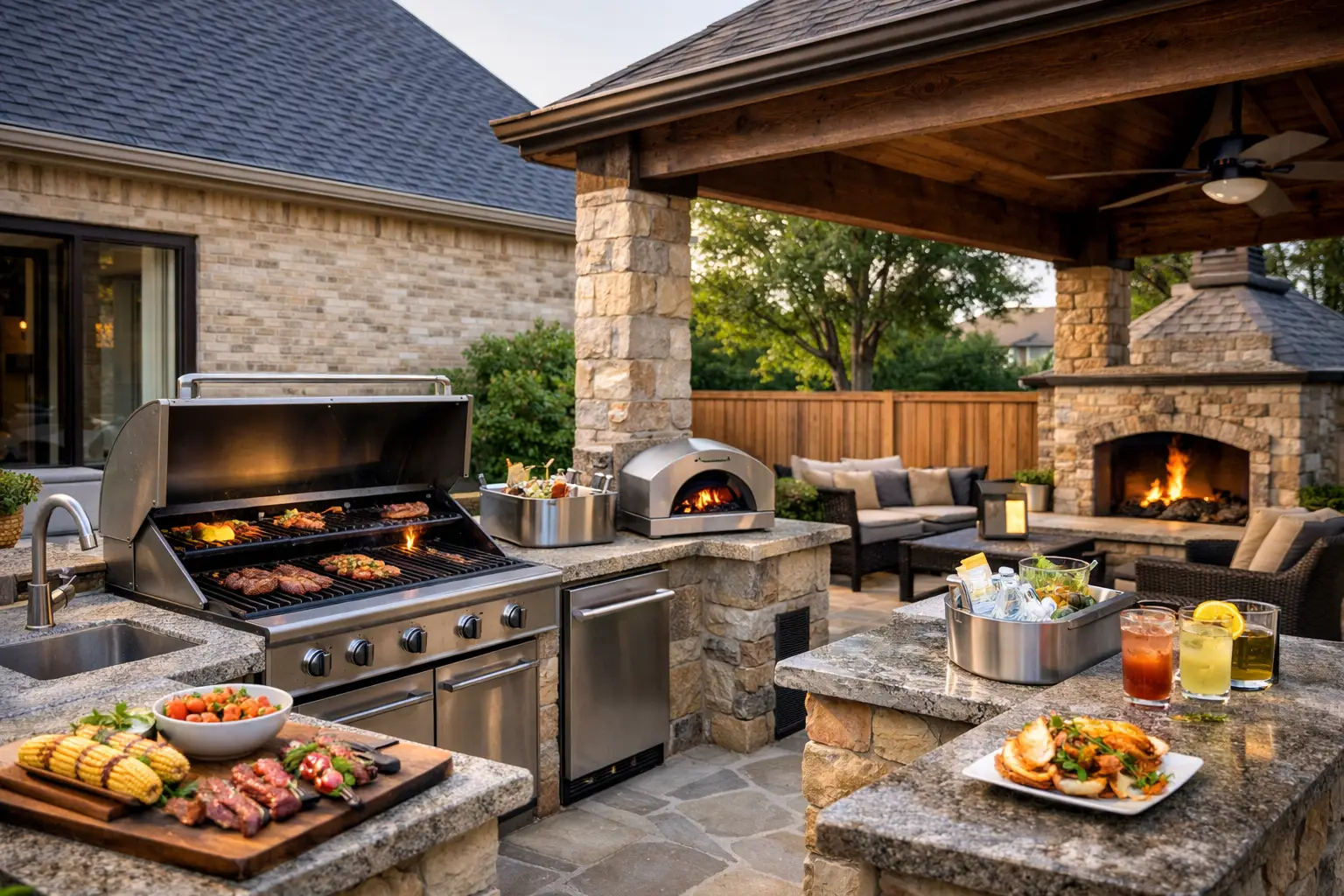
A backyard kitchen should do more than hold a grill. In Southeast Texas, the best outdoor kitchen features make it easier to cook through heat, humidity, sudden rain, and busy weekends with family and friends. The right plan creates a comfortable place to gather while protecting your investment with materials and details built for the local climate.
A good outdoor kitchen is not about adding every appliance available. It is about choosing the features your household will actually use, placing them where they work well, and building the surrounding space to handle daily life. Start with the essentials, then add upgrades that make sense for your yard, budget, and entertaining style.
1. A Cooking Setup That Matches How You Entertain
The grill is usually the heart of an outdoor kitchen, but the best choice depends on how you cook. A built-in gas grill offers quick starts and dependable temperature control for weeknight meals. A charcoal grill, smoker, or kamado-style cooker brings more flavor for low-and-slow barbecue, but it needs more clearance, ventilation, and heat-resistant surfaces.
Many Texas homeowners get the most value from one primary grill plus room to add a second cooking option later. If you routinely feed a crowd, a flat-top griddle can be a practical addition for burgers, breakfast, fajitas, and vegetables. Avoid cramming appliances together just because the space is available. Safe spacing and a workable landing area beside each cooking surface matter more than an overloaded layout.
Plan for utility connections early
Gas, electric, and water lines are much easier to install before counters, cabinets, and flooring are finished. Decide whether you want a permanent gas line, a refrigerator, task lighting, or a sink during the design phase. It can cost more upfront, but planning these connections early prevents expensive tear-outs later.
2. Shade Is One of the Best Outdoor Kitchen Features
A beautiful kitchen will not get much use if the cook is standing in direct afternoon sun. For homes in Spring, The Woodlands, Houston, and nearby communities, shade is often the feature that turns an occasional patio into a regular gathering place.
A covered patio, pergola, pavilion, or extended roofline can help, but each option has trade-offs. A solid cover provides the most reliable protection from sun and rain. A pergola keeps the space more open and can look great beside a deck or fence, though it may need a shade canopy or climbing plants to provide real relief in summer. Ceiling fans improve comfort under a covered area, while outdoor-rated lighting keeps the kitchen useful after sunset.
Keep heat and smoke in mind when designing a cover. Grills and smokers need proper clearance and ventilation. A contractor should account for appliance requirements rather than treating the cooking area like an indoor kitchen moved outside.
3. Durable Countertops With Enough Prep Space
Counter space is where an outdoor kitchen becomes useful instead of decorative. You need a clean place to set platters, season food, prepare vegetables, and serve guests without balancing everything on a small side shelf.
Stone, concrete, tile, and outdoor-rated porcelain are popular choices because they stand up well to weather when installed correctly. Natural stone offers character, but some types need periodic sealing to resist stains. Concrete can be customized in size and color, though it may develop hairline cracks over time. Tile gives homeowners more design flexibility, but grout maintenance is an important consideration in humid conditions.
As a practical rule, leave usable counter space beside the grill and near the serving area. If your kitchen will be used for larger cookouts, an island or bar-height counter gives guests a place to sit without crowding the cook.
4. Weather-Ready Cabinets and Storage
Outdoor storage keeps tools, seasonings, paper goods, and serving pieces close at hand. It also reduces trips in and out of the house during a cookout. The key is choosing cabinets made specifically for exterior use.
Stainless steel, masonry bases with weather-resistant doors, and certain marine-grade polymer cabinets tend to perform better outdoors than standard indoor materials. Humidity, bugs, wind-driven rain, and changing temperatures can quickly damage cabinets that were never intended for an exposed patio.
Include a drawer for grilling tools, a closed cabinet for cleaning supplies, and a pullout trash bin if the layout allows. A trash drawer is easy to overlook, but it makes cleanup more organized and keeps loose bags from becoming a problem on windy days.
5. A Sink and Easy-Cleanup Zone
A small outdoor sink is not necessary for every project, but it can be a major convenience for families who entertain often. It gives you a place to rinse produce, wash hands after handling raw food, fill a pot, or clean small messes before they make it indoors.
If running water is not practical for your budget or layout, prioritize a cleanup zone instead. This might include a dedicated trash pullout, countertop space near the grill, and storage for towels and cleaning supplies. The goal is simple: make the end of the evening easier, not harder.
Consider drainage and winter protection before adding plumbing. Freezing weather is less common here than in many parts of the country, but it still happens. Proper installation and shutoff access protect the system when temperatures drop.
6. Lighting That Works After Dark
One bright floodlight is not enough for a functional outdoor kitchen. Good lighting should help you see what you are cooking, guide guests safely through the yard, and create a relaxed atmosphere once dinner is served.
Use focused task lighting at the grill and prep areas, then add softer lighting around seating, steps, and walkways. Under-counter lighting can make an island feel finished without overpowering the space. Outdoor-rated fixtures are worth the investment because moisture and insects are hard on cheaper indoor products.
Lighting also improves safety around decks, gates, and transitions between the patio and yard. This is especially helpful when children, older family members, or guests are moving around after dark.
7. Comfortable Seating Without Blocking the Workflow
The best outdoor kitchens separate the cooking zone from the hangout zone without making either area feel isolated. Bar seating along an island works well when guests want to talk with the cook. A nearby dining table is better for families who plan to serve full meals outdoors.
Leave enough walking room around chairs, doors, and appliances. A tight layout may look efficient on paper, but it becomes frustrating when several people are trying to move through it at once. If space is limited, choose fewer seats and protect the cook’s work area first.
For larger yards, consider a connected outdoor living area with a seating wall, fire feature, or lounge space. These additions are not required, but they can help the kitchen serve as a true extension of the home.
8. Flooring Built for Water, Grease, and Foot Traffic
The surface under an outdoor kitchen has to handle more than ordinary patio use. Water splashes, grease drips, dropped utensils, and heavy foot traffic are part of the job. Textured concrete, pavers, and outdoor-rated tile are common choices because they can provide traction and durability.
Choose a surface that drains away from the home and does not become slick when wet. Smooth finishes may look clean, but they can be a poor fit around a sink or grill. The right flooring should also work with existing decks, fences, landscaping, and access paths so the whole backyard feels planned rather than pieced together.
9. Privacy and Wind Protection
Outdoor cooking is more enjoyable when the space feels private and protected. A well-placed cedar, metal, or aluminum fence can define the kitchen area, screen a neighboring view, and help create a more comfortable setting for guests. Decorative privacy panels or a partial wall can do the same job in a smaller footprint.
Do not block all airflow, especially around the grill. Instead, use fencing, walls, or landscaping strategically to reduce strong wind while leaving the cooking area properly ventilated. This balance is especially helpful in open backyards where wind can interfere with burners and carry smoke toward seating areas.
10. Room to Grow Without Overspending Now
The smartest outdoor kitchen plans leave room for future upgrades. You may start with a grill, prep counter, storage, and shade, then add a refrigerator, sink, seating wall, or specialty cooker later. Building the base layout correctly from the beginning makes those additions far more manageable.
Before construction starts, decide what is nonnegotiable and what can wait. For many homeowners, durable materials, shade, adequate prep space, and a safe utility plan deliver more everyday value than a long list of high-end appliances. A local contractor can help coordinate the patio, decking, fencing, flooring, and remodeling work so the project stays organized and aligned with your budget.
GottaCallMAC helps homeowners create outdoor spaces that are practical, attractive, and built for the way Texas families really live. Start with the features that solve your biggest backyard frustrations, then build a kitchen you will be glad to use long after the first cookout is over.
