
 Roofing Services
Pine Fencing: Cost, Looks, and Lifespan
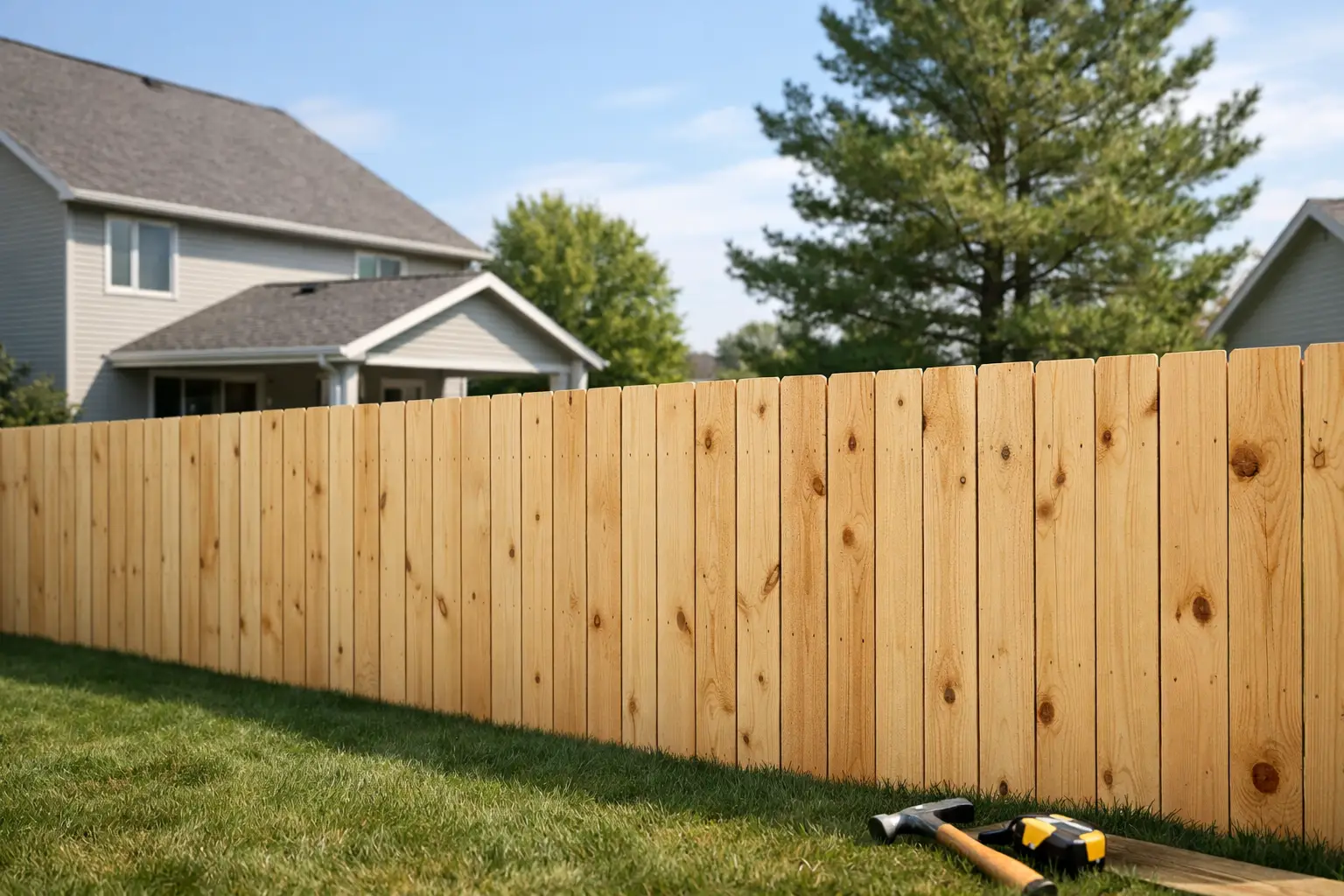
If you need a fence that looks clean, does the job, and keeps the budget under control, pine fencing is usually one of the first options worth considering. For many homeowners and property managers, it hits the sweet spot between curb appeal and cost, especially when you want a full perimeter fence without jumping to a premium material.
That said, pine is not a one-size-fits-all answer. The right fence depends on your goals, your lot, your maintenance expectations, and the kind of weather your property has to handle. Around the greater Houston area, heat, humidity, heavy rain, and shifting ground all matter. A pine fence can perform well here, but only when it is built correctly and maintained with some consistency.
Why pine fencing is such a popular choice
The biggest reason people choose pine is simple: value. Pine costs less than many other wood fencing materials, which makes it attractive when you are fencing a large backyard, replacing storm-damaged sections, or managing multiple properties at once.
It also has a familiar, versatile look. Pine works well for standard privacy fences, decorative backyard enclosures, side-yard gates, and even some commercial perimeter applications. It can be stained, painted, or left with a more natural finish depending on the look you want.
Another advantage is availability. Pine is widely used and easy to source, which can help keep projects moving without long delays. If timing matters, that can be a real benefit.
What pine fencing does well
Pine fencing makes sense when affordability is a priority but you still want a traditional wood fence that feels solid and attractive. A properly installed pine fence can provide privacy, define property lines, improve security, and boost curb appeal without pushing the project cost too high.
For many families, that balance is the deciding factor. They want a fence that keeps pets in, gives kids a safer yard, blocks some of the neighbor view, and looks good from the street. Pine can do all of that.
It is also a practical choice for investment properties and homes going on the market. If you need a fence that improves appearance and function without overspending, pine usually deserves a serious look.
Where pine has trade-offs
This is the part that matters just as much as price. Pine is affordable, but it generally needs more attention over time than higher-end wood options. If it is not treated properly, sealed, or maintained, moisture and sun exposure can shorten its life.
In Texas conditions, wood fences take a beating. Humidity can encourage rot, standing water can affect posts, and long stretches of sun can dry boards out and lead to warping or cracking. That does not mean pine is a bad choice. It means installation quality and maintenance matter more than many people expect.
Pine is also softer than some other woods. That can make it easier to work with during installation, but it also means it may show wear sooner in high-traffic areas or on properties where the fence gets bumped, leaned on, or exposed to frequent gate use.
How long pine fencing usually lasts
A well-built pine fence can last for years, but lifespan depends on several factors. Pressure-treated pine usually performs much better than untreated pine because it is designed to resist moisture, insects, and decay more effectively.
The real difference often comes down to construction details. Posts need to be set correctly. Boards need proper spacing. The fence should allow for drainage and avoid constant contact with wet soil where possible. Hardware and fasteners should also be chosen with outdoor conditions in mind.
Maintenance is the other major factor. A pine fence that is stained or sealed on schedule and repaired when problems first show up will usually outlast one that is ignored until boards start failing. Small issues become expensive when they sit too long.
Pine fencing and maintenance expectations
If you are choosing pine because of the lower upfront cost, be honest about whether you are willing to keep up with maintenance. That is where the long-term value gets decided.
Most pine fences benefit from sealing or staining to protect the wood from moisture and UV exposure. Even pressure-treated lumber is not maintenance-free. Over time, finishes wear down, boards move, and hardware can loosen. A fence inspection every so often can catch issues before they spread across the whole run.
This is especially important after strong storms. Loose pickets, leaning posts, sagging gates, and minor impact damage are easier and cheaper to fix early. If you wait until multiple sections are compromised, repair costs can start to erase the savings that made pine attractive in the first place.
Is pine fencing right for privacy?
Yes, in many cases it is. Pine is commonly used for privacy fences because it can be installed with full board coverage and built to a height that makes sense for the property and local requirements.
A pine privacy fence works well in backyards, around pools where code allows, between neighboring homes, and along side lot lines where screening matters. It creates a classic look and gives homeowners the enclosed outdoor space they are often after.
Still, privacy comes with added wind load. Taller solid-panel fences catch more force during storms, so the support system matters. Strong posts, proper spacing, and good installation practices are what keep a privacy fence standing when weather gets rough.
When pine fencing is a smart budget move
There are plenty of situations where pine is the practical winner. If you have a large lot, need to replace an aging fence quickly, or want a clean wood look without stretching the budget, pine often makes a lot of sense.
It is also a solid option when the fence is part of a bigger property improvement plan. Maybe you are updating the exterior, repairing storm damage, adding a gate, clearing part of the yard, or handling several maintenance projects at once. In those cases, keeping fence costs reasonable can make the overall project easier to manage.
That is one reason many local property owners prefer working with a contractor who can handle more than one issue at a time. If the fence project ties into grading, cleanup, gate work, or exterior repairs, a one-call approach can save time and simplify scheduling.
Signs you may want a different material
Pine fencing is not always the best fit. If you want the lowest possible maintenance over the long term, or if you are investing in a premium custom exterior where longevity is the top priority, another material may be a better match.
The same goes for properties with persistent drainage issues. If sections of the yard stay wet for long periods, wood fencing in general may need extra planning, and pine may not be the strongest long-term answer unless the installation is designed carefully around those site conditions.
Some owners also simply prefer a richer wood appearance or a fence material that holds up with less routine care. That is a legitimate reason to consider other options. The best fence is not the cheapest one on day one. It is the one that fits how you actually use and maintain your property.
Getting the most from a pine fencing project
A good result starts before the first post goes in. The layout should match how you use the property. Gates should be placed where traffic naturally flows. The height and style should suit the home, the neighborhood, and the level of privacy you want.
Just as important, the fence should be built for local conditions, not just for appearance. Soil movement, moisture exposure, drainage patterns, and storm risk all affect performance. That is where experienced installation makes a real difference.
For property owners in places like Spring, Conroe, The Woodlands, and nearby communities, pine fencing can be a strong value when the job is done right. GottaCallMAC works with homeowners and commercial clients who want dependable craftsmanship, fair pricing, and a fence that looks good without creating unnecessary cost.
The bottom line on pine fencing
Pine fencing stays popular for a reason. It is affordable, adaptable, and capable of delivering the privacy, boundary definition, and everyday function most properties need. But the lower price only pays off when the materials are treated properly, the installation is solid, and the maintenance is not ignored.
If you want a fence that balances cost and appearance, pine is absolutely worth considering. Just make sure you are choosing it with clear expectations, because a good fence is not only about what you spend up front. It is about how well it keeps working for you season after season.
gottacallmac.com 936-290-3502
