We will BEAT ANY COMPETITOR PRICE! If you find a lower price from a competitor, we will MATCH IT and give you an EXTRA $50 OFF!
We will BEAT ANY COMPETITOR PRICE! If you find a lower price from a competitor, we will MATCH IT and give you an EXTRA $50 OFF!
25420 Kuykendahl Rd., Suite B 300
The Woodlands, TX 77375
Monday-Saturday 7am-9pm

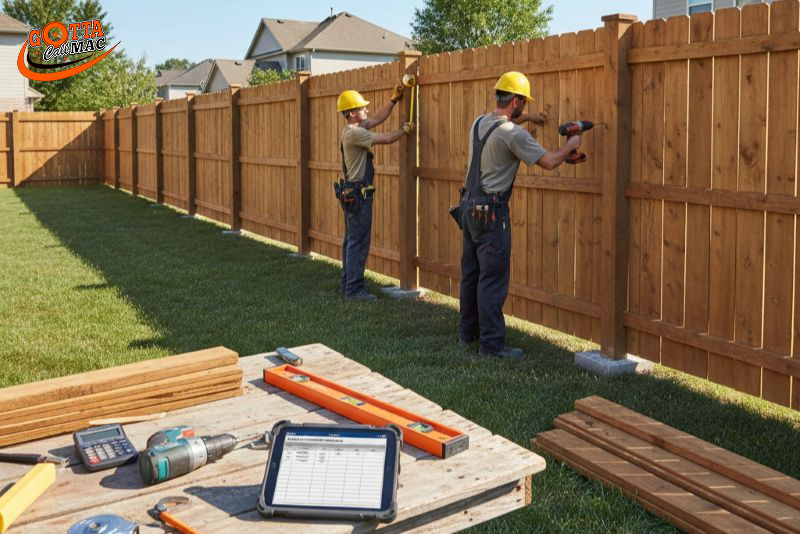
A well-built fence does more than mark boundaries. It adds security, privacy, visual appeal, and long-term value to your property. Whether surrounding a home, business, or agricultural land, fencing plays a functional and aesthetic role that directly impacts how a property is used and perceived.
This fence services guide is designed to give homeowners and property managers a clear, neutral understanding of how fencing works, from installation and repair to materials, costs, and maintenance. If you’re researching options or planning a project, this guide to fence services will help you make informed decisions with confidence.
Need expert guidance on
your fencing project?
Introduction: Understanding Fence Services
Fence projects can feel overwhelming if you’re unfamiliar with the process. Fence services explained simply: they include everything required to design, install, maintain, repair, or replace a fence. A reliable guide to fence services helps you understand what to expect, how different services connect, and why proper planning matters before any work begins.
Fencing decisions are rarely just about appearance. They influence safety, security, liability, and how a property functions on a daily basis. For homeowners, fencing may be about privacy or pet safety, while businesses often focus on access control and perimeter protection. Understanding fence services at a high level helps align expectations before committing to materials, designs, or contractors.
What Are Fence Services?
So, what are fence services? In practical terms, they cover all professional work related to fences on residential, commercial, or industrial properties. Fence services explained broadly include new installations, repairs for damage, routine maintenance, and full replacements when structures reach the end of their lifespan.
These types of fence services are often customized based on property size, usage, and location. A residential fence may prioritize privacy and visual appeal, while commercial and industrial fencing typically focuses on durability, security, and compliance. Understanding the scope of services helps property owners choose solutions that fit both functional needs and regulatory requirements.
Types of Fence Services Explained
This section acts as a hub for understanding how different fencing services fit together within a complete fencing project. It provides a high-level overview of installation, repair, maintenance, and replacement, helping readers see how each service plays a role at different stages of a fence’s lifecycle.
1 Fence Installation
Fence installation basics begin with careful planning, accurate measurements, and selecting materials suited to the property and environment. Understanding how fence installation works helps property owners anticipate timelines, access needs, and preparation requirements.
Professional installation typically includes site evaluation, marking property lines, verifying local codes, and setting posts at the correct depth. Proper alignment and spacing ensure the fence performs as intended and maintains its appearance over time.
2 Fence Repair
Fence repair basics focus on correcting damage that affects safety, stability, or appearance. Common fence repair methods include replacing broken boards, resetting leaning posts, tightening hardware, and fixing gates. Timely repairs prevent minor issues from turning into full replacements. Addressing damage early can extend the life of a fence significantly, especially in climates where moisture, heat, or wind accelerate wear.
3 Fence Maintenance
A practical fence maintenance guide highlights regular inspections, cleaning, and minor repairs. These fence maintenance basics help identify early signs of wear before they become costly problems. Routine upkeep supports structural integrity, preserves appearance, and maximizes long-term value.
4 Fence Replacement
Fence replacement basics apply when repairs are no longer effective or economical. Knowing when to replace a fence often depends on repeated damage, material failure, or outdated design. Replacement allows property owners to upgrade materials, improve functionality, and meet current regulations.
Unsure about the condition of your fence?
Fence Materials and Fence Types
Understanding the types of fencing available is essential before selecting any service. A thoughtful fence materials comparison helps property owners balance appearance, durability, maintenance demands, and cost.
Material choice directly affects how a fence performs over time. Climate, exposure, and usage all influence which fencing materials are most suitable for a specific property.
1 Wood Fencing
Wood fencing is widely chosen for its natural appearance and design flexibility. It can be customized for privacy, height, and style.
Wood fence lifespan depends on climate, installation quality, and consistent maintenance such as sealing and inspections.
2 Vinyl Fencing
Vinyl fencing offers a clean, uniform look with minimal upkeep. It does not require painting or staining and resists common issues like moisture, insects, and fading.
Modern vinyl fence durability makes it a practical, reliable, and long-term option for homeowners seeking minimal maintenance with a clean, uniform look.
3 Chain Link Fencing
Chain link fencing is known for durability and cost efficiency. Common chain link fence uses include securing large areas, commercial sites, and recreational facilities. It provides visibility and containment but limited privacy.
4 Aluminum & Metal Fencing
Metal fencing includes aluminum and steel options designed for strength and longevity. Aluminum fencing is lightweight, corrosion-resistant, and often selected for decorative security around pools and front yards.
Steel fencing is heavier, offering increased strength and is commonly used where higher security is required.
5 Privacy vs Decorative Fencing
Privacy fencing is designed to block visibility and reduce noise, making it ideal for residential settings. Decorative fencing focuses on aesthetics and boundary definition without fully enclosing a space. Choosing between the two depends on the desired balance of function and appearance.
Fence Installation Process Explained
The fence installation process explained at a high level involves multiple coordinated steps designed to ensure accuracy and durability. Each stage builds on the previous one, reducing structural issues and long-term maintenance problems. When each step is completed correctly, the fence performs reliably and maintains its alignment over time.
Understanding how fences are installed allows property owners to prepare for timelines, access needs, and potential site challenges. Most installations begin with layout planning and boundary confirmation, followed by post setting, structural assembly, and final inspection. Final inspections and adjustments ensure proper alignment, stability, and gate functionality before completion.
Planning a new fence or repair?
Common Fence Problems and Repair Methods
Common fence problems develop gradually or after unexpected events. Fence damage causes often include moisture exposure, soil shifting, wind stress, corrosion, and physical impact.
Fence repair methods vary depending on the material and severity of damage. Minor issues may require targeted fixes, while more extensive damage can involve reinforcing structural components to restore stability.
Fence Maintenance and Lifespan
A structured fence maintenance guide supports long-term performance and appearance. Fence maintenance focuses on preserving function rather than restoring damage. Regular checks allow early detection of wear, movement, or material fatigue before performance is affected.
Fence lifespan by material varies due to environmental exposure, usage, and construction quality. Even durable materials benefit from periodic evaluation to ensure safety and stability.
Routine maintenance reduces deterioration, improves safety, and delays the need for costly replacements. Even low-maintenance materials benefit from periodic inspections and cleaning.
Fence Costs Explained
Fence pricing is influenced by more than materials alone. Labor requirements, site preparation, access limitations, and design complexity all play a role in determining overall cost. This fence cost guide focuses on explaining these cost drivers rather than relying on fixed estimates.
The average fence cost can vary significantly based on property size, material choice, and project scope. Instead of comparing averages, property owners benefit more from understanding how specific project variables shape pricing.
Factors affecting fence cost may also include terrain conditions, customization, permit requirements, and regional labor rates, helping property owners plan realistic budgets before starting a project.
Choosing the Right Fence
Learning how to choose a fence involves balancing appearance, function, maintenance requirements, and budget. The best fence for privacy may differ significantly from one designed for security, safety, or decorative purposes, making intended use an important starting point.
Fence material selection should also consider long-term use, climate exposure, and expected wear. Evaluating how much maintenance a property owner is willing to manage helps ensure the fence continues to perform and look appropriate over time.
Not sure whether your fence
needs repair or replacement?
Residential vs Commercial Fence Needs
Residential fencing vs commercial fencing differs primarily in purpose, scale, and durability requirements. Fence use cases range from privacy, pet safety, and aesthetics in residential settings to access control, security, and boundary enforcement for commercial properties.
Design and material choices reflect these functional differences, with commercial fencing often prioritizing strength and compliance, while residential fencing emphasizes appearance and comfort.
Environmental Impact on Fences
Weather impact on fences plays a significant role in durability and maintenance needs. Climate effects on fencing such as humidity, extreme heat, wind exposure, and freezing conditions can accelerate wear or material failure.
Selecting climate-appropriate materials and finishes helps improve longevity and reduces the need for frequent repairs or replacement.
Fence Regulations and Property Boundaries
Fence regulations govern height, placement, materials, and sometimes design, depending on local requirements. Property boundary fencing should always align with surveys, easements, and zoning codes to ensure accuracy.
Compliance helps avoid disputes with neighbors, fines from authorities, and costly adjustments after installation.
Fence Myths and Misconceptions
Fence myths often underestimate the importance of proper installation, material selection, and ongoing maintenance. Fencing misconceptions can lead property owners to assume all fences perform the same or require little care.
Accurate information supports better long-term decisions, helping fences remain safe, functional, and visually appropriate over time.
Want a clearer idea of fence costs for your property?
Frequently Asked Questions
The cost of a 100‑foot fence can vary widely based on material, height, and installation conditions. In many cases, prices range from the lower end for basic wood or chain‑link fencing to significantly higher totals for vinyl, aluminum, or composite options. Labor, gates, terrain, and permit requirements can all influence the final cost, which is why estimates often differ from one property to another.
Common mistakes include failing to verify property lines, overlooking local regulations, skipping utility checks before digging, and choosing materials that don’t suit the local climate. Improper post depth, poor ground preparation, and low‑quality materials can also shorten a fence’s lifespan and increase repair needs.
Hiring a professional to install a fence typically involves both material and labor costs, with labor often making up a large portion of the total. Pricing is usually calculated per linear foot and varies depending on the fence type, height, terrain, and complexity of the project. Larger properties, premium materials, and additional features like gates can increase overall costs.
Fence repair estimates are usually based on the type of material, the extent of damage, and the labor required. Minor repairs may involve replacing individual boards or tightening hardware, while larger issues such as leaning posts or structural damage can raise costs. Comparing repair costs to replacement is often helpful when damage is extensive.
The best time to install a fence often depends on climate and scheduling. Cooler seasons like fall are popular due to stable ground conditions and lower contractor demand, while spring offers mild weather but higher demand. Winter installations can be cost‑effective in some regions, provided the ground is workable.
The average lifespan of a fence depends on material, installation quality, and maintenance. Well‑installed and properly maintained wood fences often last 15 to 20 years, while vinyl and metal fencing may last longer with minimal upkeep. Regular inspections and maintenance play a key role in extending fence life.
Fencing projects are often most affordable during late fall and winter when demand is lower. During these off‑season periods, contractors may offer more flexible scheduling and competitive pricing. Planning ahead and requesting quotes outside peak seasons can help reduce overall costs.
Have questions about fence options or services?
Fence Installation Magnolia Homeowners Can Trust
September 29, 2026
Roofing Services
Planning fence installation in Magnolia? Compare materials, plan for drainage and gates, and get a clear local estimate from GottaCallMAC this season.
Deck Builder Spring TX: Build for Houston Weather
September 29, 2026
Roofing Services
Choose a deck builder Spring TX property owners can trust for practical design, quality materials, fair pricing, and clear project communication today.
Fence Installation in The Woodlands Done Right
September 29, 2026
Roofing Services
Planning fence installation in The Woodlands? Compare materials, prepare for drainage and gates, and choose a contractor who builds it right, every time.