
 Commercial Remodeling
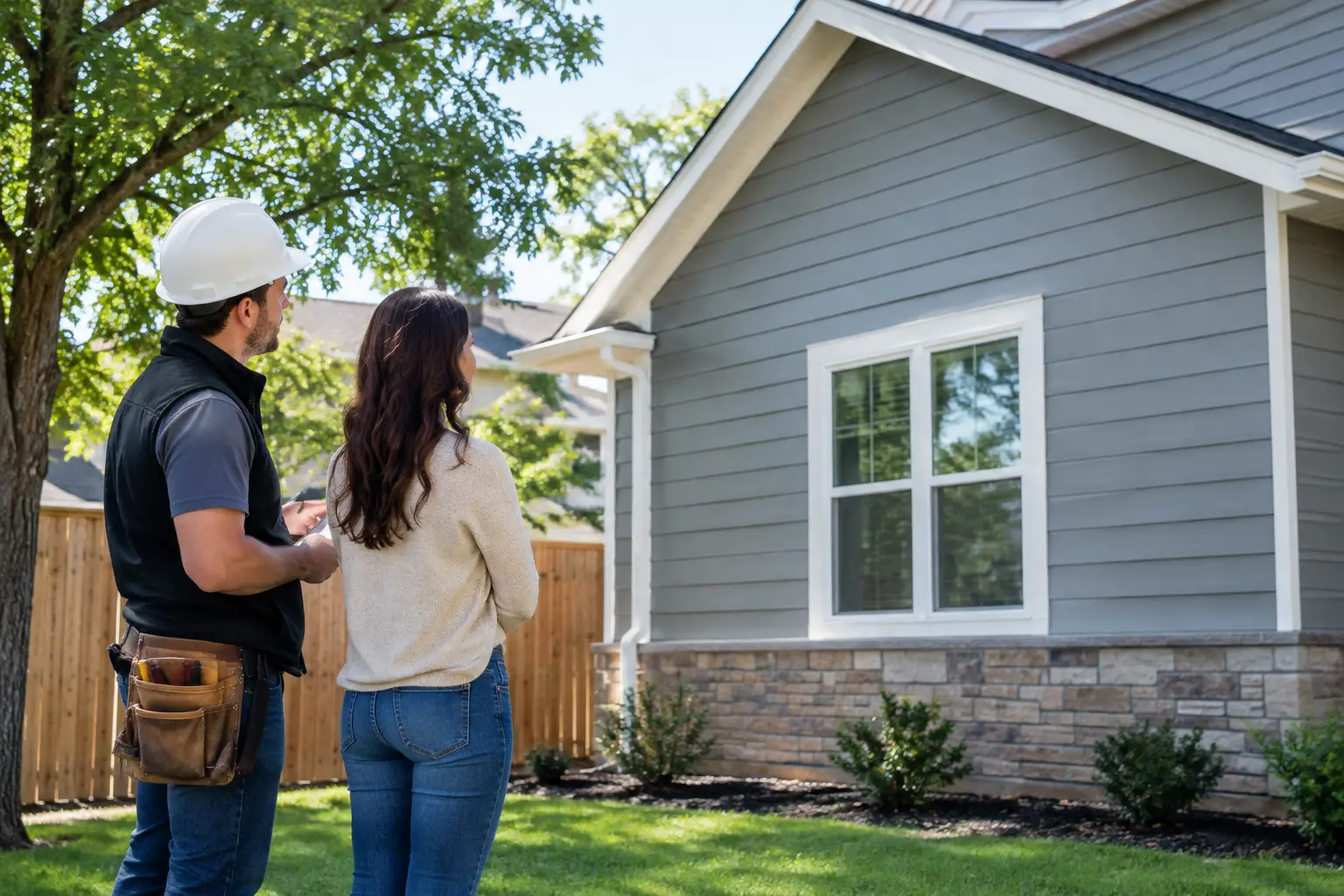
The search for “siding contractor spring tx” often starts after a homeowner notices something small: a loose panel, peeling paint, soft wood around a window, or a section that shifted after a hard storm. Small siding problems can let moisture get behind the exterior, where they become harder and more expensive to address. GottaCallMAC helps property owners take a practical look at siding damage, repairs, replacements, and the exterior improvements that make a property feel finished again.
What a Siding Contractor in Spring, TX Should Look For
Siding does more than change a home’s appearance. It helps protect the wall system from rain, humidity, wind-driven debris, and Texas heat. In Spring and across the Greater Houston area, long periods of humidity can be just as hard on exterior materials as a major storm. A contractor should look beyond the most visible damaged board or panel and check the surrounding areas for signs that water has traveled farther.
That does not mean every issue requires full replacement. A localized impact, a few cracked boards, or a damaged corner may be a good candidate for repair when the rest of the siding is in sound condition. Replacement becomes more reasonable when damage is widespread, materials have reached the end of their useful life, or repeated repairs are no longer giving the property owner a dependable result.
A useful estimate starts with clear observations. You should understand what is damaged, what work is being recommended, which materials are proposed, and why that approach fits the condition of the property. Straight answers make it easier to compare options and make a decision without guessing.
Signs Your Siding Needs Attention
Some damage is obvious, but other warning signs are easy to overlook from the ground. Walk around the property after heavy rain or as part of regular exterior maintenance. Look for warping, cracking, gaps at trim, loose pieces, discoloration, fading, peeling paint, or areas that feel soft when carefully pressed.
Wood siding can show rot near the bottom edges, around doors and windows, and anywhere water tends to sit. Fiber cement can crack from impact or movement. Vinyl siding may become brittle with age, crack during severe weather, or pull loose around fasteners. If you see staining on interior walls near exterior openings, mildew around siding seams, or unexplained drafts, it is worth having the exterior checked.
For rental homes and commercial properties, prompt repairs can prevent a manageable maintenance item from becoming a larger turnover or tenant-comfort problem. Property managers often benefit from addressing siding, trim, painting, gate issues, and fence repairs during the same maintenance visit when the scope makes sense.
Repair or Replace? It Depends on the Whole Exterior
The right answer depends on the material, age, extent of damage, and condition behind the siding. Repair is often the practical choice when matching material is available and the affected area is limited. It can preserve the rest of the exterior while correcting the immediate issue.
Replacement may be the better value when the siding has recurring rot, widespread cracks, significant fading, or multiple failed repair areas. A homeowner should also consider the condition of fascia, soffit, trim, paint, and nearby exterior features. Replacing siding while leaving visibly failing trim can create an unfinished look and lead to another project sooner than expected.
Color matching is another real-world trade-off. Even when the same siding product is available, older materials may have faded in the Texas sun. A skilled contractor can explain whether a repair will blend reasonably well, whether painting can help unify the surface, or whether a larger replacement section will look more consistent.
Choosing Materials for Houston-Area Weather
There is no single siding material that works best for every property. Budget, maintenance preferences, architectural style, and the current condition of the home all matter.
Wood siding offers a traditional look and can be repaired in sections, but it needs consistent maintenance to protect it from moisture and sun exposure. Fiber cement is a popular option for homeowners who want a durable, paintable exterior with the look of wood. Vinyl can be a cost-conscious choice with lower routine maintenance needs, though it may not be ideal for every home style or every repair situation.
The installation details matter as much as the material itself. Proper flashing, trim work, fasteners, transitions around windows and doors, and paint preparation all affect how the finished exterior performs. Saving money with poor installation can lead to gaps, water intrusion, and early repairs. Fair pricing should still include the work needed to do the job correctly.
Ask Better Questions Before Work Starts
A dependable contractor should be comfortable discussing the work in plain language. Ask whether the estimate covers removal of damaged material, replacement of any affected trim, surface preparation, caulking, painting if applicable, and cleanup. If the project involves a repair, ask what the contractor expects to find once the damaged section is opened up and how additional issues would be communicated.
It also helps to ask about scheduling and material availability. Some siding profiles, colors, and trim pieces may take longer to source. A clear conversation upfront helps prevent surprises and gives landlords, homeowners, and business owners a better idea of how to plan around the work.
Photos can be helpful when you are gathering estimates, especially for a second-story area or a property you manage from a distance. Still, an on-site evaluation is often the best way to understand the condition of the siding and the access needed for a safe, efficient repair.
Pair Siding Work With Smart Exterior Improvements
Siding projects are a good time to look at the rest of the property’s exterior. If a fence line meets the house, a worn gate is visible from the street, or tree limbs are rubbing the roofline and siding, handling those concerns together can create a cleaner result and reduce repeat disruption around the property.
GottaCallMAC is especially equipped to help with the connected projects homeowners put off: cedar and treated pine privacy fence repair or replacement, board-on-board fencing, rot board and top cap repairs, gate installation and gate repair, tree trimming, debris removal, painting, drywall repairs, and other property improvements. A new or repaired fence does not just add privacy. It can improve security, define the yard, and make a fresh exterior project look complete.
For properties with mature trees, trimming branches away from the home can help reduce scraping and storm debris against siding. The goal is not to remove healthy character from the yard. It is to address limbs that are creating a recurring maintenance issue or putting exterior surfaces at risk.
A Practical Plan for Your Property
Before requesting an estimate, make note of where you see damage, when you first noticed it, and whether it changed after a storm. If possible, identify any areas where water collects near the home, where tree limbs contact the exterior, or where fencing and gates need attention too. That information helps create a more complete scope from the start.
Do not feel pressured to replace more than the property needs. At the same time, do not ignore soft wood, loose materials, or gaps simply because the damage looks minor. The best plan is usually the one that addresses the cause, fits the property budget, and gives you a result you can rely on.
If your home, rental property, or business in Spring needs siding repairs, exterior updates, fencing, gate work, or storm cleanup, GottaCallMAC has you covered with responsive service and practical solutions. Call 936-290-3502 for a free estimate or visit www.gottacallmac.com. A straightforward inspection now can help you make a confident decision before a small exterior issue turns into a larger repair.
