
 Roofing Services
Most homeowners don’t think about gutters until something goes wrong.
A heavy rain hits, water starts spilling over the edge of the roof, and suddenly you realize those thin channels running along your roofline are doing a lot more work than you ever gave them credit for.
Gutters are not just an accessory. They are one of the most important protection systems for your home. They quietly direct rainwater away from your roof, walls, foundation, and landscaping.
And when they are installed incorrectly, you feel the consequences fast.
So let’s talk about how gutter installation actually works in real life, not just in theory.
Why Gutters Matter More Than Homeowners Realize
A properly installed gutter system protects your home in ways most people never notice until damage starts showing up.
Without gutters or with poorly installed ones, rainwater can:
- Pool around your foundation
- Damage siding and exterior paint
- Cause soil erosion around the home
- Lead to basement or crawl space moisture
- Shorten roof lifespan
It is one of those systems that works silently in the background, but when it fails, repairs can get expensive quickly.
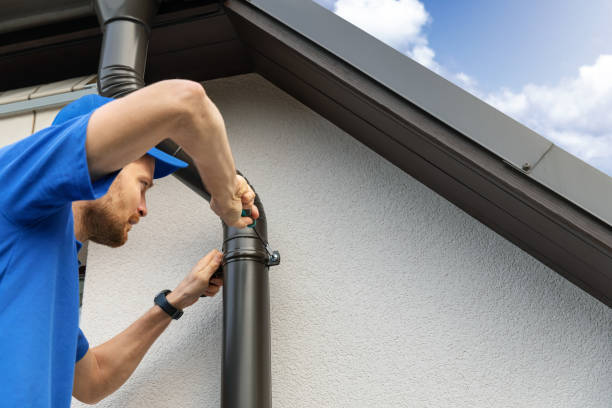
This is why many homeowners eventually turn to Gutter Installation & Repair to make sure the system is done correctly from the start.
Before You Install Anything, You Need a Plan
A lot of DIY gutter issues start before installation even begins.
You cannot just buy gutters and start attaching them to the roof.
You need to understand:
- Roof slope and drainage direction
- Where water naturally flows
- Downspout placement
- Distance to drainage outlets
- Roof edge measurements
This planning stage determines whether your gutter system will work properly or constantly overflow during storms.
Professionals spend more time here than most homeowners expect.
Choosing the Right Type of Gutters
Not all gutters are the same, and choosing the right material matters more than people think.
Aluminum Gutters
The most common choice. Lightweight, rust-resistant, and cost-effective.
Vinyl Gutters
Affordable and easy to handle, but not always ideal for extreme weather conditions.
Steel Gutters
Very strong and durable, but heavier and more prone to rust if not maintained.
Copper Gutters
High-end option with long lifespan and premium appearance.
For most residential homes, aluminum is the balanced choice between durability and cost.
The First Step: Measuring the Roofline Properly
Accurate measurement is everything.
You measure:
- Total length of each roof edge
- Locations for downspouts
- Corners and turns
- Slope direction for water flow
Even a small miscalculation can lead to poor drainage or overflow during heavy rain.
This is where experience really matters, because gutters are not just installed straight. They are installed with a slight slope so water naturally flows toward the downspouts.
Creating the Right Slope for Water Flow
This is one of the most overlooked parts of gutter installation.
Gutters are not level.
They are slightly angled so water moves in one direction.
If the slope is too flat, water pools.
If the slope is too steep, water moves too fast and can overflow at certain points.
Getting this balance right is what separates a functional system from a problematic one.
Installing the Hangers and Support System
Once the layout is planned, the next step is attaching the support brackets.
These brackets hold the gutter system in place and determine its long term stability.
They are spaced evenly along the roofline and must be secured tightly into solid framing.
Weak attachment points are one of the main reasons gutters sag over time.
Cutting and Assembling the Gutters
Gutters are usually cut to size on site.
Sections are joined together using connectors and sealed to prevent leaks.
Corners, edges, and joints are especially important because these are the most common areas for water leakage if not sealed properly.
This is also where precision matters. A small gap at a joint can turn into a persistent drip problem during storms.
Downspouts: The Most Important Exit Point
Downspouts are where water actually leaves the gutter system.
If they are placed incorrectly, even a perfectly installed gutter can fail.
Water should be directed away from:
- Foundation walls
- Walkways
- Entry points
- Low-lying soil areas
Extensions are often added to move water further away from the house.
This step is critical for preventing long-term foundation issues.
Common Mistakes in Gutter Installation
Most gutter problems come from a few repeated mistakes:
- Incorrect slope direction
- Poor sealing at joints
- Insufficient support brackets
- Misplaced downspouts
- Ignoring roof runoff volume
These issues may not show immediately, but they become obvious during the first heavy rain.
Why Gutters Fail Over Time
Even a good installation can develop issues if maintenance is ignored.
Common causes include:
- Leaves and debris buildup
- Blocked downspouts
- Weather damage
- Loose fasteners over time
Regular cleaning is essential to keep the system working properly.
DIY vs Professional Installation
Installing gutters yourself is possible, but it is not as simple as it looks.
The challenges usually come from:
- Working at roof height safely
- Getting correct slope angles
- Sealing joints properly
- Handling long gutter sections without bending
One mistake can affect the entire system.
This is why many homeowners prefer professional installation through experienced teams like GottaCallMAC, where the system is designed to handle real weather conditions, not just look good on day one.
Final Thoughts
Gutters may look simple, but they play a major role in protecting your home from water damage.
A properly installed system quietly handles rainwater year after year without drawing attention.
But a poorly installed system can lead to expensive problems that affect your roof, foundation, and exterior walls.
If you are planning a gutter installation in The Woodlands or nearby Texas areas, working with experienced professionals ensures the system is measured correctly, sloped properly, and built to handle heavy rainfall conditions.
Because when it comes to gutters, it is not about how they look.
It is about how well they protect your home when the storm hits.
