
 Roofing Services
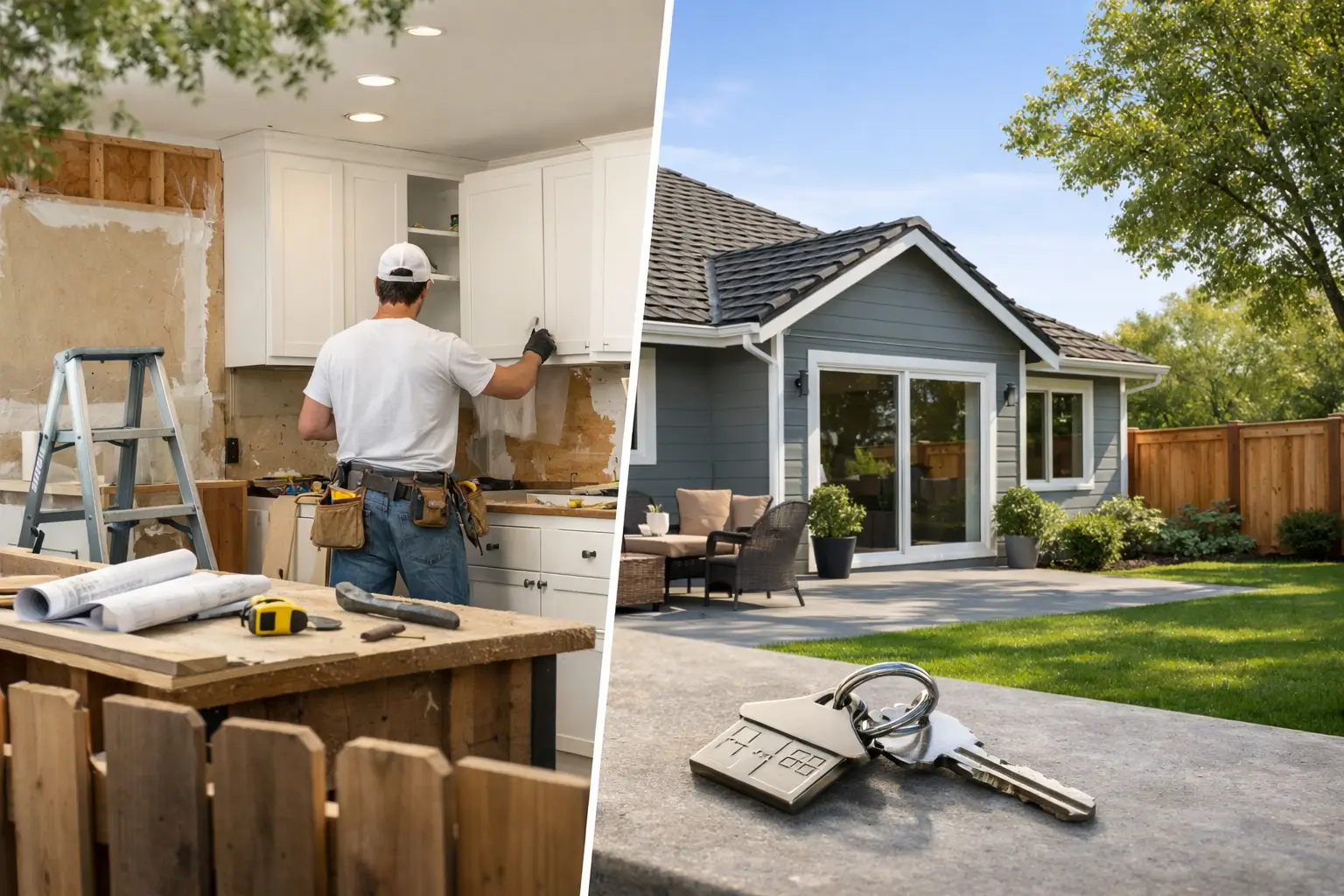
A buyer walks through your home in Spring or The Woodlands and notices more than the kitchen cabinets. They notice the cracked tile by the entry, the scuffed paint in the hall, the fence gate that drags, and whether the property feels cared for from the street. So, is remodeling worth it before selling? Often, yes – but only when the work solves buyer objections without spending more than the local market will return.
The goal is not to build your dream home for the next owner. It is to make your property easier to show, easier to inspect, and easier for a buyer to say yes to. Smart pre-sale improvements can support a stronger asking price and reduce pressure for repair credits. The wrong project can eat into your proceeds without making a meaningful difference at closing.
Is Remodeling Worth It Before Selling? Start With the Market
The best answer depends on your home’s condition, price range, neighborhood, and timeline. A dated house in a neighborhood full of refreshed listings may need more attention than a well-maintained home with only minor wear. On the other hand, a major remodel rarely pays off dollar for dollar if nearby homes cannot support a higher sale price.
Start by looking at comparable homes that recently sold, not just homes currently listed. Pay attention to their condition, photos, finishes, lot appeal, and how quickly they moved. A local real estate professional can help identify the features buyers expect at your price point. That gives you a practical ceiling for your project budget.
If your home is priced to attract investors or buyers looking for a project, extensive remodeling may not make sense. If you are competing for move-in-ready buyers, visible repairs and clean, current finishes can matter a great deal. The best plan closes the gap between your home’s present condition and what buyers in your area expect.
Fix Problems Before You Upgrade Finishes
Before choosing new counters, address the issues that make buyers worry about deferred maintenance. Buyers may overlook a cabinet color they do not love. They are less likely to overlook soft drywall, damaged siding, water-stained ceilings, broken gates, unsafe trees, uneven flooring, or a fence leaning toward a neighbor’s yard.
These conditions can affect showings, inspections, appraisals, and negotiations. They also distract from the home’s good features. A buyer who sees a handful of obvious problems may assume there are more hidden behind the walls.
Prioritize repairs that protect the property, improve safety, or create a clean first impression. That can include repairing drywall, replacing damaged flooring, correcting exterior wood rot, painting worn areas, trimming overgrown trees, clearing storm debris, and repairing fence sections or gates. In the Houston area, where heavy rain, humidity, and storms can be hard on exterior materials, this work is often more valuable than adding a trendy detail indoors.
The Updates Buyers Usually Notice First
You do not need a full-scale renovation to make a home feel market-ready. A focused refresh can change the way buyers experience the property from the first photo through the final walkthrough.
Paint, flooring, and lighting make a fast difference
Fresh neutral paint is one of the most practical pre-sale investments because it brightens rooms, covers everyday wear, and helps buyers picture their own belongings in the space. Neutral does not have to mean flat or lifeless. Warm whites, soft greiges, and light natural tones generally photograph well and appeal to a wide range of buyers.
Flooring deserves attention when it is visibly damaged, heavily stained, mismatched, or difficult to clean. Replacing a worn bedroom carpet or repairing broken tile can make the entire home feel better maintained. If the floors are sound, professional cleaning and minor repairs may be enough.
Good lighting is another affordable win. Replace broken fixtures, use matching bulbs with consistent color temperature, and open blinds for showings. Dark corners can make even a large room feel neglected.
Kitchens and bathrooms need restraint
Kitchens and bathrooms help sell homes, but they can also become the quickest way to overspend. A complete remodel may be justified when these rooms are seriously outdated or have functional problems. More often, a targeted refresh delivers the better return.
Consider repainting cabinets if they are solid, replacing worn hardware, updating a damaged backsplash, repairing loose fixtures, refreshing caulk and grout, and replacing a dated vanity top when it is in poor condition. Clean lines and working surfaces matter more than expensive designer selections. Buyers may have different taste than you do, so avoid highly personal colors, unusual tile, or luxury features that push the home beyond its neighborhood.
Curb appeal sets the tone before the door opens
Buyers begin forming an opinion before they step inside. Overgrown shrubs, hanging branches, a sagging fence, peeling trim, or a cluttered yard can make a well-kept interior harder to appreciate.
A tidy landscape, trimmed trees, fresh mulch, repaired fencing, a working gate, and a clean entry make the property feel secure and cared for. For homes with dogs or children, a functional enclosed yard can be a real selling point. Outdoor spaces do not need to be elaborate. They need to look usable, safe, and ready for the next owner.
How to Avoid Spending Too Much Before You Sell
The biggest pre-sale remodeling mistake is choosing projects based on personal taste instead of buyer value. You may love the idea of custom built-ins, a dramatic feature wall, or high-end finishes, but buyers may not pay enough extra to cover the cost.
Set a budget after you understand your likely sale price and local competition. Then divide the work into three categories: required repairs, high-visibility improvements, and optional upgrades. Fund the first two before considering the third.
Keep materials appropriate for the home. Installing premium finishes in an entry-level home can make the project cost more without raising the appraisal. Using low-quality materials in a higher-priced home can create the opposite problem by making the house feel out of step with competing listings.
Timing matters, too. A rushed remodel can delay your listing, create scheduling stress, and leave unfinished details that buyers notice. If you need several types of work completed, coordinating them through one dependable contractor can reduce handoffs and help keep the schedule organized.
When Selling As-Is May Be the Better Choice
Remodeling is not always worth it. Selling as-is can be the right move when you need to relocate quickly, the home needs extensive work, the budget is tight, or the property is likely to appeal to investors. In those cases, the right strategy may be honest pricing, clear disclosures, and a smaller list of repairs focused on safety or preventing further damage.
You can also take a middle path. Instead of a full renovation, complete the repairs most likely to come up during inspection, clean thoroughly, remove excess furniture, and improve curb appeal. This approach helps the home show better while preserving more of your sale proceeds.
A pre-listing walkthrough with your agent and contractor can help separate true deal-breakers from projects that can wait. Ask direct questions: Will this repair likely affect buyer confidence? Will it help the home compete? Can we complete it on schedule at a fair price? If the answer is no, it may not belong in the plan.
Build a Pre-Sale Plan That Fits Your Home
A good pre-sale remodel is not about doing everything. It is about doing the work buyers will see, value, and trust. Begin with condition and safety, then focus on paint, flooring, kitchens, bathrooms, and curb appeal. Choose durable, neutral improvements that make the home feel clean and well maintained.
For homeowners handling multiple repairs before listing, Gotta Call Mac can help bring the work under one roof – from drywall and painting to flooring, siding, tree service, fencing, and remodeling. A free estimate gives you a clear starting point, so you can decide what is worth doing before the sign goes in the yard.
The right improvements should leave you with a home that looks cared for, a budget you can live with, and fewer surprises when serious buyers start walking through the door.
