
 Roofing Services
When Stump Grinding Is Worth It for Your Yard
A tree can be gone in a day, but the stump it leaves behind can keep causing problems for years. It takes up usable space, catches mower blades, invites insects, and becomes an easy trip hazard for kids, guests, tenants, and workers. Stump grinding is the practical way to finish a tree removal job and get that part of the property working for you again.
For homeowners across the greater Houston area, stump removal is often about more than appearance. Heavy rain, humid weather, fast-growing lawns, and outdoor living spaces make an old stump harder to ignore. Whether you are planning a new fence, expanding a garden bed, clearing land, or simply tired of mowing around an obstacle, the right approach depends on the stump, the site, and what you want to do with the space next.
What Stump Grinding Actually Does
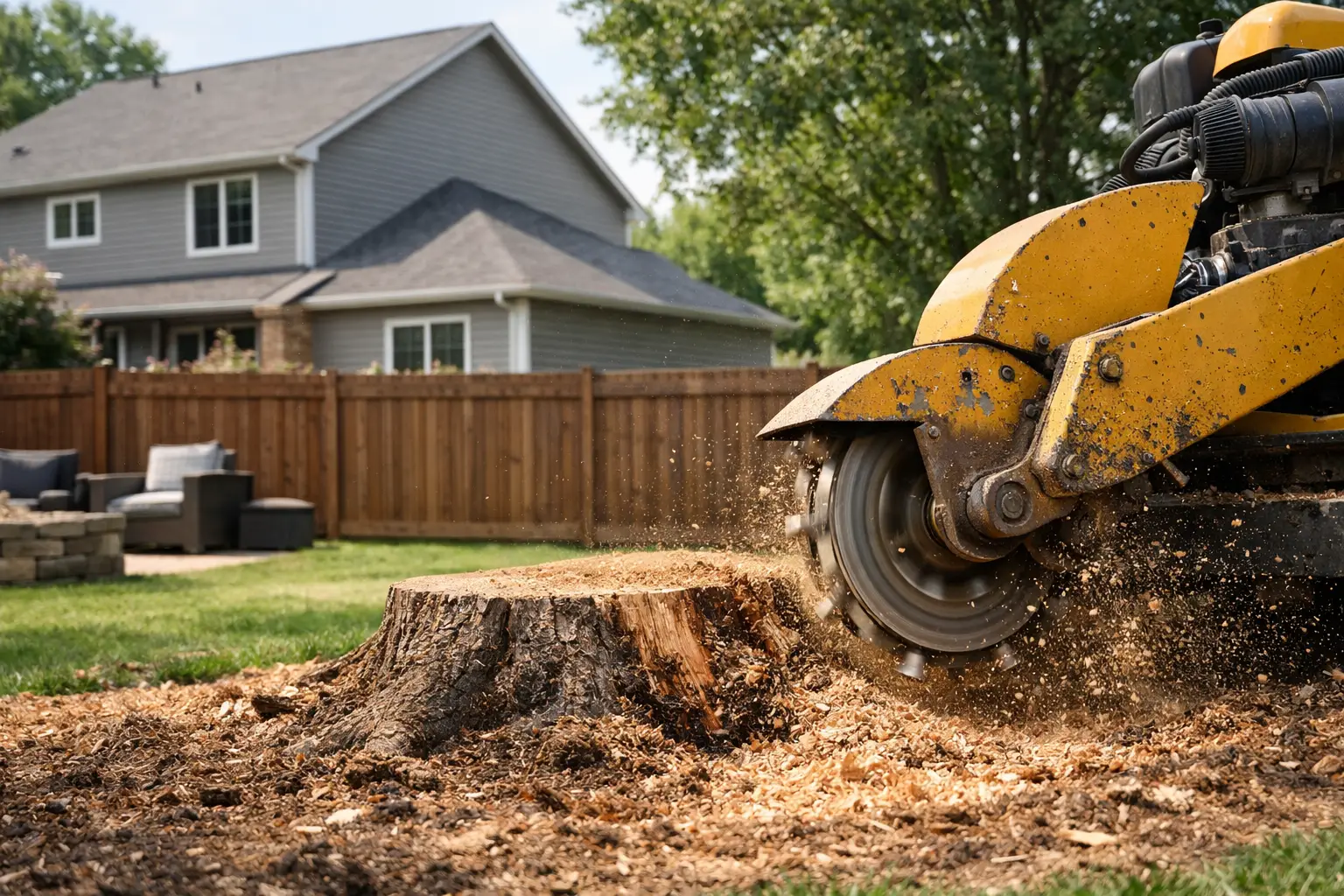
Stump grinding uses a purpose-built machine with a rotating cutting wheel to break down the visible stump and major surface roots into wood chips. The grinder works below ground level, usually several inches deep, so the stump no longer creates a raised obstacle in the yard.
This is different from pulling out a stump with an excavator or backhoe. Full extraction removes the stump and root ball, but it can tear up a large section of lawn, damage nearby landscaping, and leave a substantial hole. Grinding is generally less disruptive, faster, and a better fit for most established residential yards.
The roots farther from the stump are not normally removed during grinding. They gradually decay underground. In most cases, that does not create a problem. If you need to install a foundation, underground utility line, driveway, or another project that requires completely clear soil, full removal may be the better option. For a lawn, planting bed, patio edge, or fence line, grinding is often the sensible choice.
Why Leaving a Stump Can Cost You Later
A fresh stump may seem harmless, especially if it sits at the back of a large lot. Over time, though, it tends to become more of a nuisance. The wood breaks down slowly in Texas humidity, which can attract termites, ants, beetles, and fungi. Not every stump leads to a pest issue, but keeping decaying wood close to your home, shed, or fence is rarely a good long-term plan.
There is also the everyday maintenance issue. A mower cannot safely cut over a stump, and trimming around it week after week wastes time. Roots near the surface can also make mowing rough and create uneven spots in the yard. On rental and commercial properties, those same obstacles can raise liability concerns if someone trips or landscaping crews damage equipment.
A stump can also limit what comes next. If you want a new cedar fence, a deck extension, a play area, a garden, or clean access for land clearing, removing the obstruction first helps the rest of the project move faster and look better.
When Stump Grinding Makes the Most Sense
Grinding is usually worth it when the stump is in an active part of the property or sits near an improvement you have planned. A stump by a driveway, sidewalk, gate, pool area, patio, or entry point should not be ignored. The same applies when it is close to a fence line where roots or uneven ground can interfere with post placement.
It is also a smart move after storm damage. Downed or damaged trees often leave behind stumps in areas that need cleanup quickly. Once the immediate hazard is handled, grinding lets you restore the yard instead of leaving a reminder of the damage in the middle of it.
There are situations where waiting makes sense. If the stump is deep in wooded acreage, far from structures and traffic, and you are not preparing the land for another use, there may be no urgent reason to grind it. A professional can help you weigh the cost against the actual benefit rather than treating every stump the same.
What Affects Stump Grinding Cost
There is no honest flat price for every stump because the work changes from property to property. The biggest factor is diameter. A wide oak stump takes more time than a small ornamental tree stump. Hardwood species can also require more grinding than softer wood.
Access matters just as much. A stump in an open front yard is easier to reach than one behind a narrow gate, between landscaping features, or on a steep, muddy section of land. Nearby utilities, irrigation lines, retaining walls, sidewalks, and fences may require additional care.
The number of stumps affects pricing too. When several stumps are located on the same property, handling them during one visit is often more efficient than scheduling separate jobs. Cleanup preferences can also change the estimate. Some owners want the wood chips left for mulch, while others prefer the area cleared and prepared for fresh soil or sod.
The best way to get a clear number is to request an on-site estimate. A dependable contractor should look at the stump size, access, surrounding conditions, and your next plans for the area before giving you a price.
Preparing Your Yard Before the Crew Arrives
A little preparation helps keep the job safe and efficient. Move vehicles, patio furniture, potted plants, toys, and loose decorations away from the work zone. If the stump is behind a gate, make sure the access path is clear enough for equipment to enter.
Let the crew know about sprinkler heads, invisible pet fences, buried drainage lines, landscape lighting, or other known underground features near the stump. Grinding focuses on the stump and immediate roots, but marked obstacles help prevent avoidable damage.
If you have pets, keep them inside during the work. Stump grinding creates noise and throws small pieces of wood and soil within the contained work area. A professional crew will use the proper safety practices, but keeping people and animals clear makes the process easier for everyone.
What to Do With the Wood Chips
Grinding leaves a mixture of wood chips and soil. That material can be useful, but it should be handled with a plan. A light layer of aged chips works well around trees and landscape beds. However, piling fresh chips directly against a home, fence, or plant stems is not recommended because it can hold moisture where you do not want it.
If you plan to grow grass in the spot, remove most of the grinding debris and add topsoil before laying sod or spreading seed. Fresh chips can settle as they decompose, leaving a shallow dip in the yard if the area is not filled and graded properly. For a garden bed, the crew can grind the stump, then you can remove excess debris and bring in clean soil suited to the plants you want.
If a new fence or outdoor project is next, do not assume the spot is ready the moment grinding is finished. Let the contractor know what is being installed so the area can be cleared and leveled to match the project requirements.
Why Professional Equipment Is Usually the Better Call
Rental stump grinders are available, but they are not always the bargain they appear to be. Transporting a heavy machine, learning its controls, managing safety risks, and spending a full weekend on a stubborn stump can quickly outweigh the rental savings. Tight access, large hardwood stumps, and roots near fences or concrete are especially difficult for first-time operators.
Professional service brings the right machine for the job, experience around existing landscaping, and a faster finish. It also makes sense when tree work is only one part of a larger property project. GottaCallMAC can help coordinate stump grinding with tree removal, land clearing, fence work, and other repairs so you are not chasing multiple crews for connected work.
A stump does not have to stay in the way just because the tree is gone. Clear the obstacle, prepare the ground correctly, and give your yard the room to become useful again.
